
Some children walk into a dental office without hesitation.
Others see the dental chair and immediately want to turn around.
And sometimes, the challenge is not simply fear. A child may have difficulty sitting still, may have had a difficult dental experience before, may have significant anxiety, or may need treatment that would be difficult to complete comfortably while fully alert.
That is where sedation dentistry for kids may become part of the care plan.
At Sunshine KiDDS Dentistry in Parkland, FL, sedation is considered as a tool to help appropriate children receive necessary dental care in a calmer, safer, and more comfortable environment. It is not automatically the first choice for every child. The right approach depends on your child’s age, development, medical history, treatment needs, anxiety level, and ability to cooperate.
Call Sunshine KiDDS Dentistry at (754) 203-3003 to discuss your child's needs.
One of the biggest concerns parents have is the word "sedation."
Does it mean my child will be asleep?
Not necessarily.
The level and type of sedation can vary considerably. The goal is to choose an approach appropriate for the individual child and procedure rather than assuming that one method works for everyone.
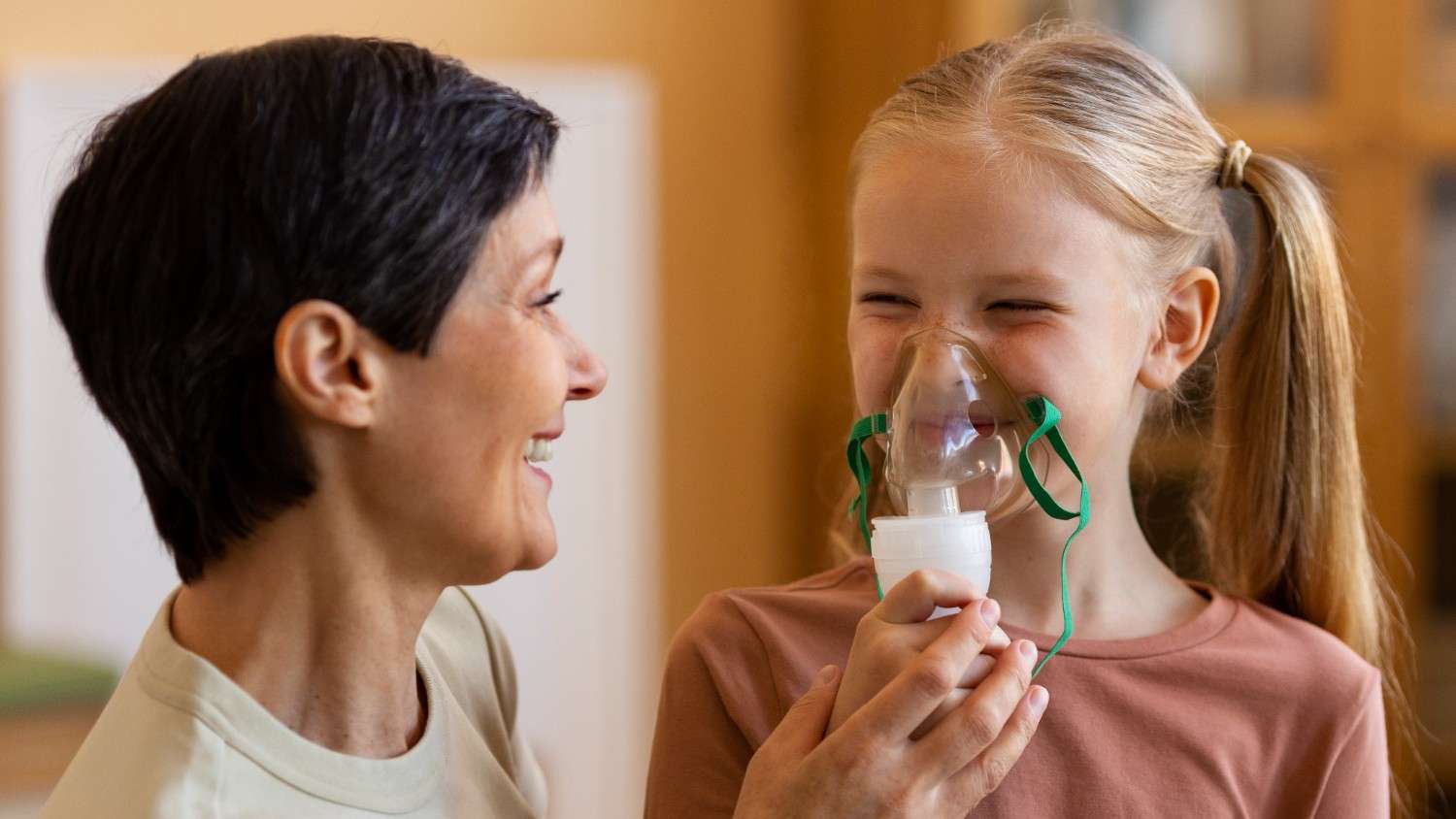
Nitrous oxide for kids, commonly called laughing gas, is one option used in pediatric dentistry to help reduce anxiety and improve comfort.
Your child breathes a mixture of nitrous oxide and oxygen through a small mask. The experience is often described as feeling relaxed, light, warm, or pleasantly different.
Importantly, nitrous oxide is not the same thing as general anesthesia. Children generally remain conscious and able to communicate while receiving nitrous oxide/oxygen. The AAPD recognizes nitrous oxide/oxygen as an effective method for reducing anxiety and providing analgesia in appropriate pediatric patients.
For some children, a deeper level of relaxation may be considered.
A conscious sedation pediatric dentist evaluates whether this approach is appropriate based on the child's individual circumstances. The child may become very relaxed and drowsy while remaining responsive to appropriate stimulation, depending on the level of sedation.
Parents should understand that sedation is not one-size-fits-all. Different medications and levels of sedation have different effects, risks, preparation requirements, and monitoring needs.
That is why your child's dental and medical history matters before a sedation plan is selected.
Children do not all respond to dental treatment in the same way.
For one child, a friendly explanation and a little encouragement may be enough. Another child may become overwhelmed by the sounds, sensations, unfamiliar surroundings, or length of a procedure.
Sedation may be considered when it can help make appropriate dental treatment more manageable.
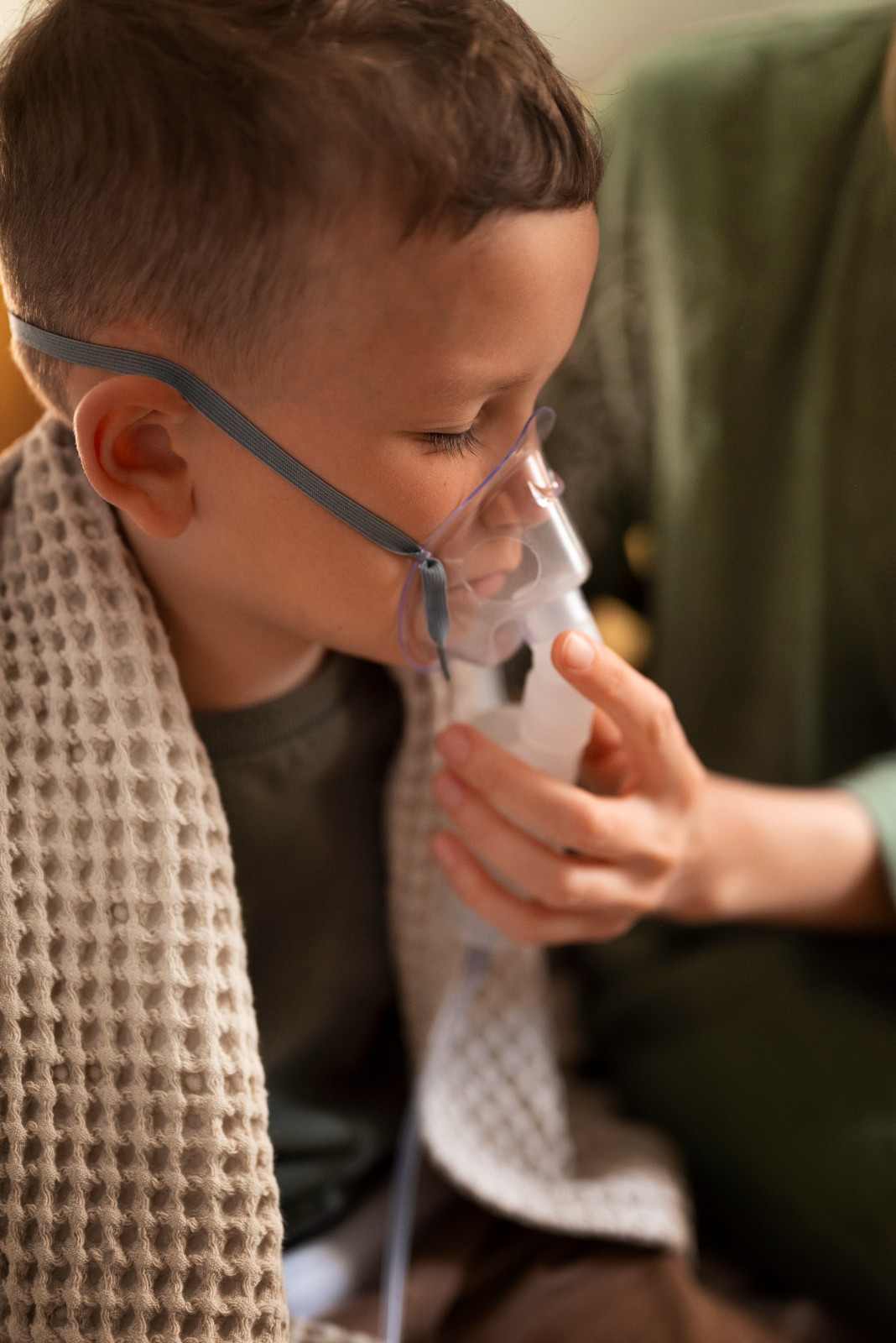
Every Child Is DifferentSedation is not about "putting a child out" simply to make treatment easier. It is one component of a broader pediatric behavior-guidance plan. The American Academy of Pediatric Dentistry recommends considering the child's medical history, temperament, treatment needs, previous dental experiences, alternatives, and parent preferences when determining an appropriate approach.
A calmer appointment can make a meaningful difference in a child's experience of dentistry.
But sedation does not replace good pediatric dental care.
At Sunshine KiDDS Dentistry, the goal is to create an environment where children can gradually develop trust in their dental team. Communication, age-appropriate explanations, encouragement, and behavior guidance remain important parts of pediatric dentistry.
Sedation may be considered when those approaches alone are not enough or when the child's treatment needs call for additional support.
The goal is simple:
The AAPD describes pediatric behavior guidance as an individualized process that can include both non-pharmacological approaches and pharmacological options such as sedation when clinically appropriate.
This is one of the first questions many parents ask.
Not necessarily.
The answer depends on the type and depth of sedation being used.
With nitrous oxide, for example, a child typically remains conscious and can communicate. Deeper forms of sedation are different and require additional safety considerations, monitoring, trained personnel, and appropriate equipment.
The AAPD and American Academy of Pediatrics emphasize systematic evaluation before, during, and after pediatric sedation, including appropriate monitoring and recovery procedures.
Rather than focusing only on whether your child will be awake or asleep, the more important question is:
"What level of support is appropriate for my child and the treatment they need?"
That is a conversation your pediatric dental team should have with you before treatment.
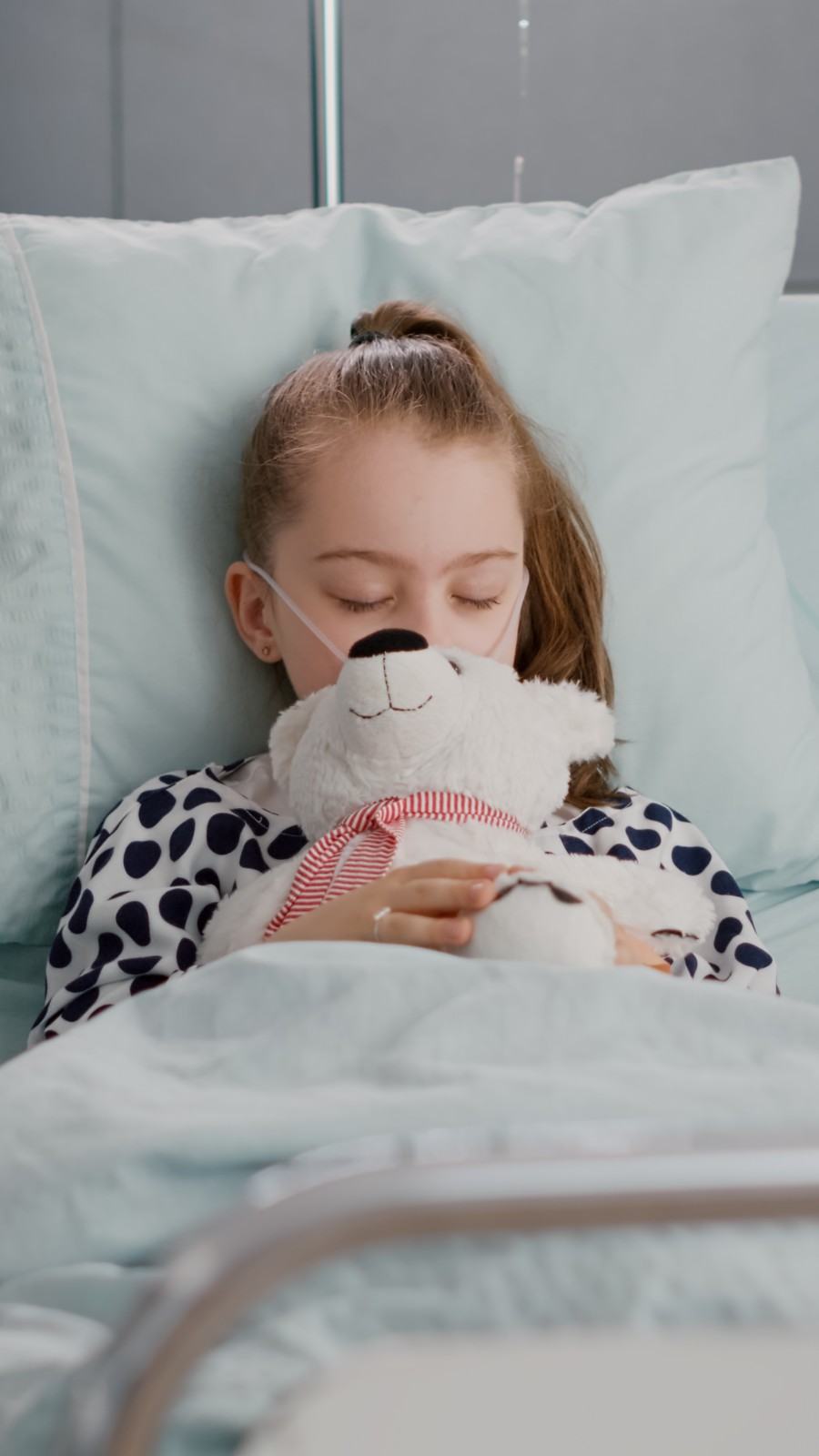
Parents should never feel like they are walking into sedation without knowing what to expect.
Before sedation, the dental team should review the information necessary to determine whether sedation is appropriate for your child.
This may include:
Your child's health history, medications, allergies, and relevant medical conditions can influence the treatment plan.
Previous dental experiences and your child's response to treatment can help the dentist understand what type of support may be appropriate.
The planned dental procedures, expected length of treatment, and level of cooperation required all matter.
Parents should have the opportunity to understand the proposed approach, benefits, risks, alternatives, and instructions before treatment.
Pediatric sedation requires appropriate supervision, monitoring, equipment, and recovery procedures based on the level of sedation being provided.
This is an important question — and parents deserve a thoughtful answer rather than a simple "yes."
Sedation can be used safely in appropriately selected pediatric patients when proper evaluation, trained providers, monitoring, equipment, and emergency preparedness are in place. However, sedation is still a medical intervention and is not risk-free.
The AAPD recommends careful pre-sedation evaluation, consideration of underlying health conditions, appropriate monitoring, trained personnel capable of managing potential complications, and recovery before discharge.
That is why your child's dentist should determine whether sedation is appropriate rather than treating it as a routine option for every child.
At Sunshine KiDDS Dentistry, the conversation starts with your child — not simply with a sedation method.
Your child's emotional preparation matters too.
Avoid making the appointment sound frightening by using words such as "shot," "pain," or "hurt" unnecessarily. At the same time, avoid promising your child that they will feel absolutely nothing.
Instead, keep your explanation simple and positive.
Explain that the dental team will help them feel comfortable.
Use simple, age-appropriate language.
Follow the dental team's specific eating, drinking, medication, and arrival instructions.
Tell the dental office about changes in your child's health before the appointment.
Encourage questions rather than dismissing fears.
Bring a familiar comfort item if the office allows it.
Avoid sharing frightening stories about your own dental experiences.
Most importantly, follow the individualized instructions provided by your child's dental team. Preparation requirements can differ depending on the sedation method and your child's circumstances.
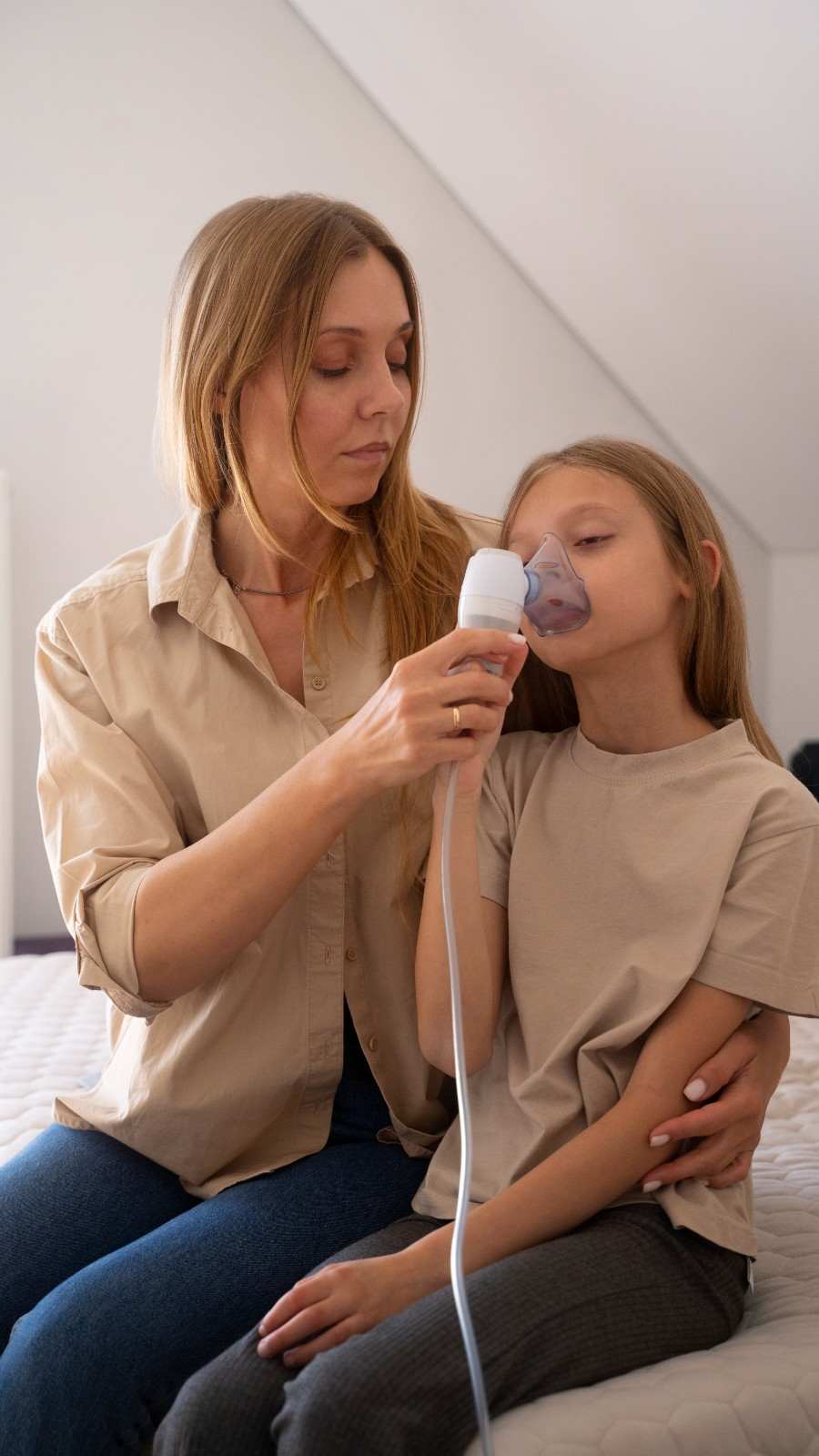
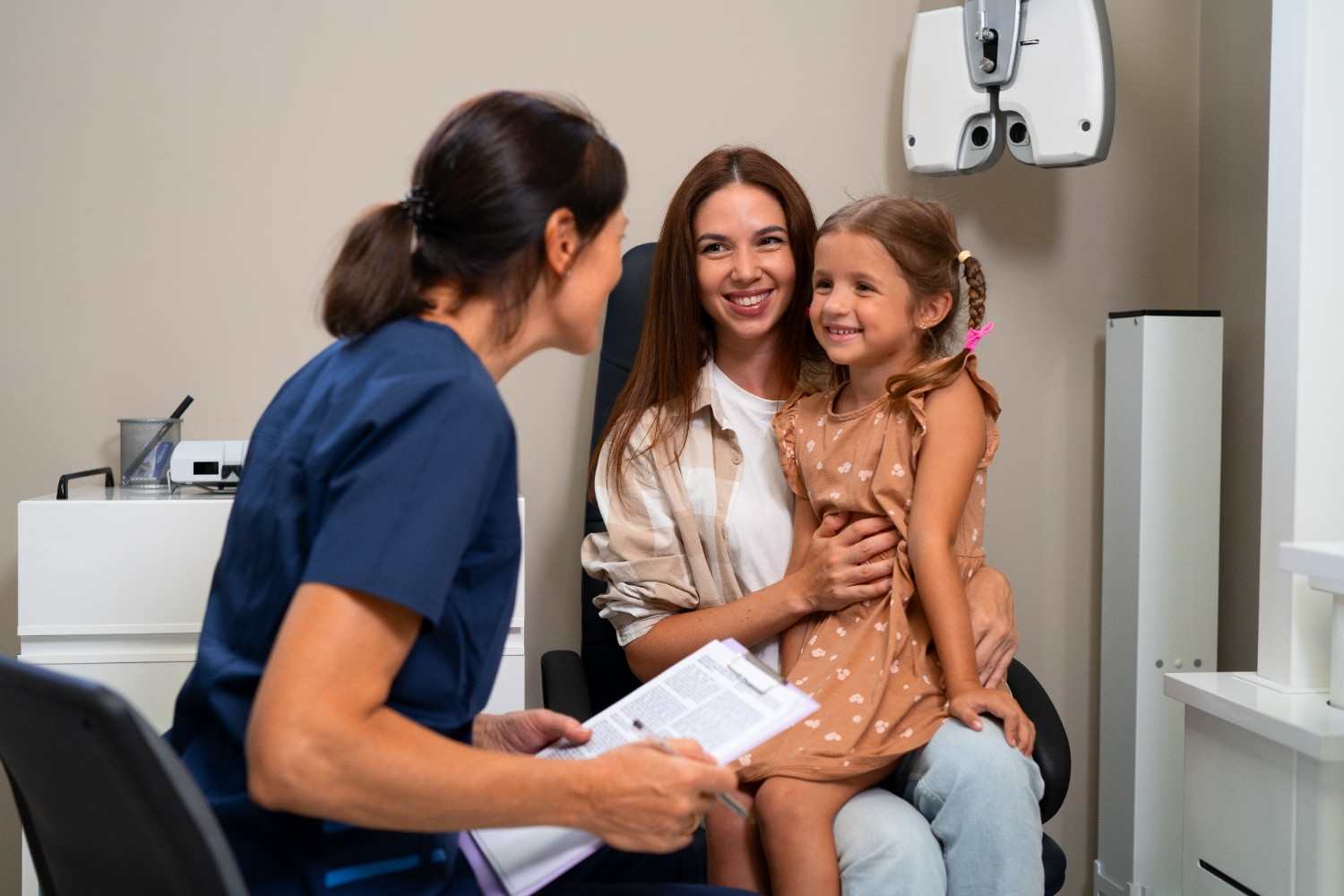
Every Child
A personalized approach to care
Try asking:
"What will help my child receive the dental care they need in the safest and most comfortable way?"
The right answer depends on the child.
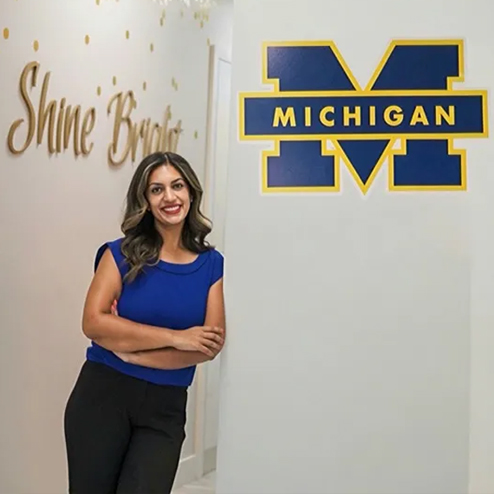
Dr. Sheryl George is a Diplomate of the American Board of Pediatric Dentistry. Her 2–3
years of additional pediatric residency training included extensive coursework and clinical rotations in treating children with special health care needs — covering behavioral guidance, adapted communication, medical complexity, and pediatric sedation.
This isn’t something she learned from a weekend seminar. It’s central to her practice and a reason many families travel from across Broward County specifically for her care.

Real words from real families who found their fit here.
What sets Sunshine KiDDS apart is the time Dr. George takes to connect with my daughter and make her feel comfortable and at ease. No matter how busy they are, she gives us her undivided attention and never rushes us.
Dr. George and her team have been an absolute blessing for our son who has autism. They take the time to explain every step, never rush him, and he actually looks forward to his appointments now. I never thought that would be possible.
If your child has been turned away or had a difficult experience at another dental office, you're not alone — and we hear that story often. Many of our most successful patient relationships started with a parent who was running out of options.

Laughing gas is the common name for nitrous oxide. It is mixed with oxygen and inhaled through a small mask. It can help reduce anxiety and improve comfort while allowing an appropriately selected child to remain conscious and responsive.
Not always. Nitrous oxide generally keeps a child conscious and able to communicate. Other sedation techniques can produce different levels of relaxation or drowsiness. Your pediatric dentist will discuss the proposed level of sedation before treatment.
Sedation can be safely provided to appropriate pediatric patients when proper evaluation, monitoring, trained personnel, equipment, and emergency protocols are in place. It is not risk-free, however, so your child’s individual health and treatment needs must be considered
Follow the specific instructions provided by your dental team. These may vary depending on the type and depth of sedation. Tell the dental team about your child’s health history, medications, allergies, and any recent illness, and prepare your child using calm, age-appropriate language.
Sedation may be considered for children with significant anxiety, difficulty cooperating, certain special healthcare needs, previous difficult dental experiences, or treatment needs that may be difficult to complete comfortably with basic behavior guidance alone.
A pediatric sedation dentist evaluates whether sedation is appropriate for a child, considers the child’s medical and dental history and treatment needs, selects an appropriate approach when indicated, and follows required monitoring and safety protocols.
Pediatric dental sedation cost can vary depending on the type of sedation, the treatment being performed, the child’s individual needs, and other factors. The best way to understand your expected cost is to discuss the proposed treatment and sedation plan with the dental office before the appointment.
No. Sedation is not appropriate for every child or every situation. A pediatric dental professional should evaluate the child’s medical history, developmental needs, treatment requirements, and other relevant factors before recommending sedation.

Sunshine KiDDS Dentistry • Parkland, FL
A child's first experiences with dentistry can stay with them for years.
When a child feels overwhelmed, the goal should not simply be to "get through" the appointment. The goal is to help that child receive the care they need while building a healthier relationship with dental visits.
For some children, sedation can be an important part of making that possible.
At Sunshine KiDDS Dentistry, we take a child-centered approach to dental care in Parkland. Every child is different, and every treatment plan deserves thoughtful consideration.
Pediatric-focused dental care
A calm, child-friendly environment
Individualized behavior guidance
Care for anxious and fearful children
Experience working with children with different dental needs
Parent-focused communication
Conveniently located in Parkland, FL
If you're wondering whether sedation may be appropriate for your child, you don't have to figure it out alone. Talk with our pediatric dental team about your child's concerns, previous dental experiences, and upcoming treatment needs. Call (754) 203-3003 to schedule a consultation with Sunshine KiDDS Dentistry.
Call (754) 203-3003Sunshine KiDDS Dentistry proudly serves families in Parkland, Coral Springs, Coconut Creek, Boca Raton, and surrounding Broward County communities.

7533 N State Rd 7, Parkland, FL 33073Dr. Sheryl George is a pediatric dentist in Parkland, FL. serving infants, children, teens, and children with special health care needs. The office also serves the surrounding cities of Boca Raton, Coral Springs and Coconut Creek, FL 7533 North State Road 7, Parkland, FL 33073 | Ph: 754-203-3003
© 2025 Created with Echo5Digital