
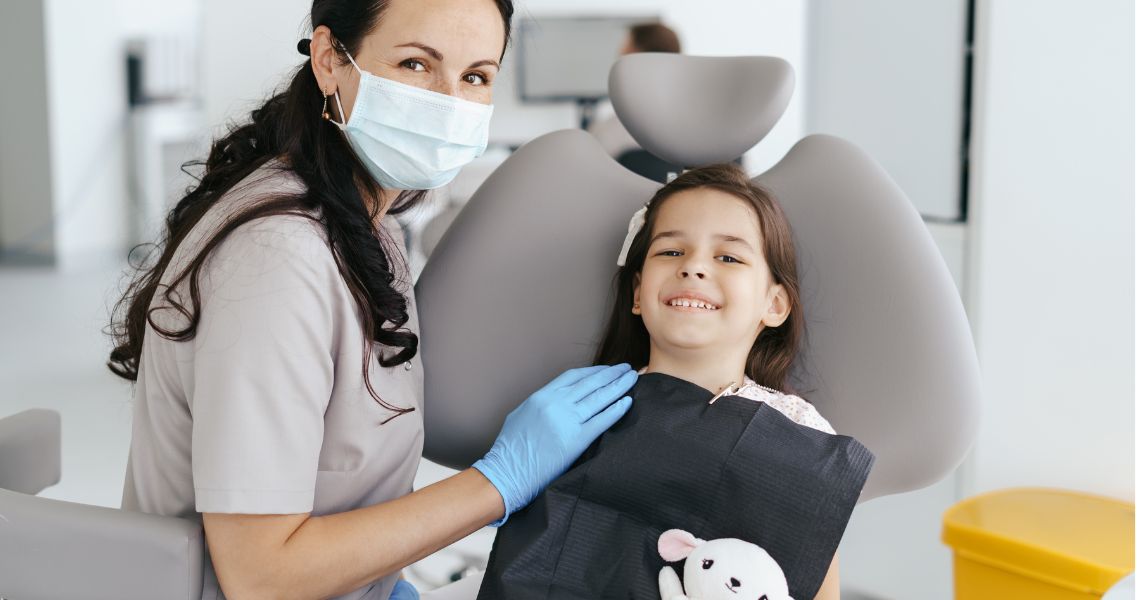
If you’ve ever watched your child grip the armrest of a dental chair or fight back tears at the sound of a dental instrument, you understand how emotional pediatric dentistry can be not just for children, but for parents too. At Sunshine KiDDS Dentistry in Parkland, Florida, one of the most common questions parents ask Dr. Sheryl George, Board-Certified Pediatric Dentist, is this: “Is sedation safe for my child?” It’s a fair question. Sedation sounds intimidating. But when used appropriately and administered by trained pediatric dental professionals, it can be a highly effective and safe tool that transforms a stressful appointment into a manageable, sometimes even positive experience. This guide is designed to walk you through what pediatric dental sedation is, when it’s recommended, and what you can expect at Sunshine KiDDS Dentistry. Why Would a Child Need Dental Sedation? Most children do not require sedation for routine cleanings or minor procedures. However, sedation may be recommended in certain situations: Extensive dental treatment (multiple cavities, extractions, crowns) Severe dental anxiety or phobia Very young children who cannot sit still for long procedures Children with special healthcare needs Traumatic past dental experiences At Sunshine KiDDS Dentistry, the goal is always prevention first. Dr. George emphasizes early dental visits and gentle behavioral guidance techniques. However, when treatment is necessary and cooperation is limited, sedation becomes a valuable option. The objective isn’t convenience. It’s safety, comfort, and treatment effectiveness. Types of Pediatric Dental Sedation Understanding the different sedation methods can help reduce anxiety for parents. Nitrous Oxide (Laughing Gas) Nitrous oxide is the most commonly used mild sedative in pediatric dentistry. It is inhaled through a small nose mask and helps children feel relaxed and calm. Key features: Works quickly Wears off within minutes Child remains awake and responsive Safe when administered by trained professionals At Sunshine KiDDS Dentistry in Parkland, nitrous oxide is often sufficient for mildly anxious children undergoing shorter procedures. Parents are often surprised by how light and controlled this method is. Oral Conscious Sedation Oral sedation involves medication given before the appointment to help a child feel drowsy and relaxed. Key features: Child remains conscious but may be sleepy Memory of the procedure may be limited Requires monitoring throughout treatment This option is typically recommended for children with higher anxiety levels or when longer procedures are required. Dr. Sheryl George carefully evaluates medical history and overall health before recommending oral sedation. General Anesthesia In more complex cases such as extensive restorative work or when a child cannot safely tolerate treatment awake general anesthesia may be considered. This is typically administered in a hospital or specialized setting under the supervision of an anesthesiologist. While this is the most involved sedation option, it allows comprehensive treatment in a single visit, reducing repeated stress. Is Dental Sedation Safe? Safety is the primary concern for any parent. The reassuring reality is that pediatric dental sedation has a strong safety record when administered by trained professionals following established guidelines. Dr. Sheryl George, as a Board-Certified Pediatric Dentist, follows strict protocols for: Reviewing medical history Evaluating medication interactions Monitoring oxygen levels and vital signs Providing clear pre- and post-procedure instructions At Sunshine KiDDS Dentistry, safety is not secondary to comfort. It is foundational. Preparing Your Child for Sedation Preparation begins at home. Parents are typically instructed to: Follow specific fasting guidelines Avoid certain foods or drinks before the procedure Dress the child in comfortable clothing Bring a favorite comfort item if allowed The tone you set matters. Children often mirror parental anxiety. Calm explanations “The dentist will help your teeth feel better” are more helpful than detailed descriptions of the procedure. At Sunshine KiDDS Dentistry, the staff takes time to explain the process in child-friendly language before treatment begins. What to Expect After the Appointment Recovery varies depending on the sedation type. With nitrous oxide, most children return to normal within minutes. With oral sedation, mild grogginess may last several hours. Children should rest at home and avoid strenuous activity. Common temporary side effects may include: Drowsiness Slight irritability Mild nausea (rare but possible) Parents are provided clear aftercare instructions before leaving the office. Follow-up communication is encouraged if questions arise. Addressing Common Parental Concerns One mother once shared her hesitation before her son’s sedation appointment. He had severe dental anxiety after a previous negative experience elsewhere. She worried sedation would be overwhelming. After the procedure, she expressed relief , not only because the treatment was completed successfully, but because her son no longer feared returning. Sometimes sedation prevents dental trauma from becoming lifelong avoidance. Benefits Beyond the Procedure Pediatric dental sedation offers several advantages: Reduces fear and trauma Allows comprehensive treatment in fewer visits Prevents negative associations with dental care Improves safety by minimizing sudden movements For children with special healthcare needs, sedation can make necessary treatment accessible. At Sunshine KiDDS Dentistry, the goal is not simply cavity removal. It’s building positive dental experiences that last into adulthood. When Sedation Is Not Recommended Sedation is not appropriate for every child or every situation. Dr. George conducts individualized evaluations before recommending sedation. Factors considered include: Age Medical history Weight Allergies Current medications Behavioral patterns In many cases, behavior guidance techniques and gradual exposure are sufficient. Sedation is a tool , not a default solution. Q & A Is nitrous oxide safe for children? Yes. When administered by a trained pediatric dentist like Dr. Sheryl George at Sunshine KiDDS Dentistry, nitrous oxide is considered safe and effective for mild anxiety. Will my child be asleep during sedation? With nitrous oxide and oral conscious sedation, children remain awake but relaxed. General anesthesia induces sleep and is reserved for specific cases. How long does recovery take? Nitrous oxide wears off within minutes. Oral sedation recovery may take a few hours. Can sedation affect my child long-term? Pediatric dental sedation does not have long-term developmental effects when used appropriately and monitored carefully. Does Sunshine KiDDS Dentistry offer sedation for special needs children? Yes. The practice provides compassionate care