
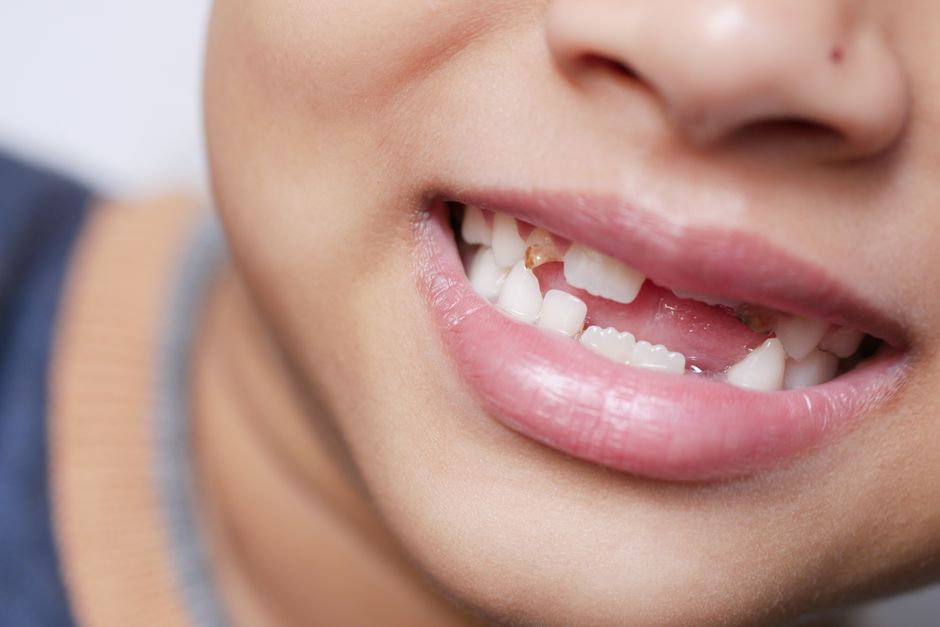
You noticed something odd in your child’s mouth. There’s a new tooth pushing through behind a baby tooth that hasn’t fallen out yet, and now it looks like your child has two rows of teeth. Before you panic, take a deep breath. This is one of the most common dental concerns parents bring to us at Sunshine KiDDS Dentistry, and in most cases, it resolves without any major intervention. When permanent teeth grow behind baby teeth, the result is sometimes called “shark teeth” because the double row resembles the layered teeth of a shark. It can look alarming, but it’s a normal variation in the way children’s adult teeth erupt. Understanding why it happens and when to take action can save you a lot of unnecessary worry. At Sunshine KiDDS Dentistry, we see this regularly in kids throughout the Parkland, Coral Springs, and Boca Raton areas. Let’s walk through what’s going on, why it happens, and what steps you should consider. Sunshine Kidds Dentistry · Parkland, FL Where Every Smile Starts with Sunshine From baby teeth to braces, Sunshine Kidds Dentistry makes every visit fun, gentle, and stress-free. Our team specializes in children of all ages — including toddlers, kids with special needs, and anxious little ones. 📞 Call (754) 203-3003 What Are Shark Teeth in Children? Shark teeth in children occur when a permanent tooth erupts behind a primary (baby) tooth before the baby tooth has had a chance to fall out. This creates a temporary double row of teeth, usually along the lower front teeth, though it can happen with upper teeth as well. Normally, when a permanent tooth starts pushing upward, it dissolves the root of the baby tooth above it. The baby tooth gets progressively looser and eventually falls out, making room for the adult tooth to slide into position. But sometimes the permanent tooth takes a slightly different path, bypassing the baby tooth root entirely. The baby tooth stays firmly in place, and the adult tooth comes in right behind it. This is most common around ages five to seven, when the lower front incisors are the first permanent teeth to arrive. It can happen again around ages eleven to twelve when the upper back molars come in. Why Are Permanent Teeth Growing Behind Baby Teeth? There’s no single cause. Several factors can contribute to permanent teeth erupting behind primary teeth, and most of them are completely normal parts of childhood development. The Permanent Tooth Erupts at an Angle Sometimes the adult tooth simply follows a slightly off-center path as it moves through the gum tissue. Instead of pushing straight up into the baby tooth root, it angles backward and breaks through behind it. This is the most frequent reason for shark teeth and usually corrects itself over time. Crowding in the Jaw If your child’s jaw doesn’t have enough space to accommodate the incoming permanent teeth, crowding can force the new teeth to find an alternative eruption path. Teeth crowding in young children is something the team at Sunshine KiDDS Dentistry monitors closely, since early detection can make a big difference in treatment options later. The Baby Tooth Root Doesn’t Dissolve Properly Retained baby teeth occur when the root of the primary tooth remains intact and strong, preventing it from loosening naturally. The permanent tooth has no choice but to find another way through, and that usually means coming in behind the stubborn baby tooth. Is a Double Row of Teeth in Children Dangerous? In the vast majority of cases, no. A double row of teeth in children looks dramatic, but it rarely causes long-term problems. Once the baby tooth finally falls out, the tongue naturally pushes the permanent tooth forward into its correct position over the following weeks or months. However, there are situations where the condition does require attention. If the baby tooth shows no signs of loosening after several weeks, or if your child is experiencing pain, swelling, or difficulty eating, it’s time to schedule a visit. Leaving a firmly retained baby tooth in place for too long can lead to alignment issues or make it harder for the permanent tooth to move into position on its own. At Sunshine KiDDS Dentistry, we evaluate each case individually. Some children just need time and patience. Others benefit from a gentle baby tooth extraction to clear the path. When to See a Dentist for Shark Teeth Knowing when to see a dentist for shark teeth comes down to a few key indicators. Not every case needs professional treatment, but some do. Here’s how to tell the difference. Schedule a dental visit if: If the baby tooth is already wiggly and getting looser each day, you can usually wait it out. Encourage your child to gently wiggle the tooth with clean fingers or by eating crunchy foods like apples and carrots. The natural process often takes care of itself within a few weeks. The baby tooth hasn’t loosened at all after two to three weeks of the permanent tooth being visible Your child has pain or discomfort around the area The gum tissue looks red, swollen, or infected Multiple permanent teeth are coming in behind baby teeth at the same time The permanent tooth appears significantly misaligned or rotated What Happens During a Baby Tooth Extraction? If our team at Sunshine KiDDS Dentistry determines that the baby tooth needs to come out, the procedure is quick, straightforward, and very well tolerated by children. We apply a topical numbing gel to the area first, followed by a small amount of local anesthetic if needed. Since the roots of retained baby teeth are often partially dissolved already, the extraction is usually much simpler than parents expect. Most children describe it as feeling like a little tug. We apply a topical numbing gel to the area first, followed by a small amount of local anesthetic if needed. Recovery is fast. Your child can typically return to normal eating within a day or two. We’ll provide clear

How to Take Care of Your Toddler’s Teeth: A Parent’s Guide to Toddler Dental Care
Your toddler’s tiny teeth may not seem like a big deal right now, but they play a crucial role in speech development, nutrition, and guiding permanent teeth into the right position. Starting good habits early can prevent cavities, reduce dental anxiety, and set your child up for a lifetime of healthy smiles. Toddler dental care doesn’t have to be complicated or stressful. With the right approach, brushing can become a fun part of your daily routine rather than a battle. The key is knowing what to do, when to start, and how to make oral hygiene feel normal for your little one. At Sunshine KiDDS Dentistry, we work with families across Parkland, Coral Springs, Boca Raton, and surrounding South Florida communities to make pediatric dental care comfortable and positive from the very first visit. Here’s everything you need to know about caring for your toddler’s teeth at home and with professional support. Sunshine Kidds Dentistry · Parkland, FL Where Every Smile Starts with Sunshine From baby teeth to braces, Sunshine Kidds Dentistry makes every visit fun, gentle, and stress-free. Our team specializes in children of all ages — including toddlers, kids with special needs, and anxious little ones. 📞 Call (754) 203-3003 Why Toddler Teeth Care Matters More Than You Think A common myth is that baby teeth don’t really matter because they’ll fall out anyway. The truth is quite different. Baby teeth hold space for adult teeth, and losing them too early due to decay can lead to crowding, misalignment, and even speech difficulties. Early childhood caries is one of the most common chronic conditions in young children, and it’s almost entirely preventable. When toddler teeth care starts early, you reduce the risk of painful cavities, infections, and costly treatments down the road. Healthy baby teeth also help your child chew food properly, which directly supports good nutrition during those critical growth years. Think of these first teeth as the foundation for everything that comes next. When to Start Brushing Baby Teeth You don’t need to wait until your child has a full set of teeth to begin cleaning their mouth. The American Academy of Pediatric Dentistry recommends starting oral care even before the first tooth appears. The American Academy of Pediatric Dentistry recommends starting oral care even before the first tooth appears. For newborns and infants, gently wipe the gums with a soft, damp cloth after feedings. Once the first tooth breaks through, usually around six months, switch to a small, soft-bristled toothbrush designed for infants. Use a rice-grain-sized smear of fluoride toothpaste for children under three, and a pea-sized amount for kids ages three to six. At Sunshine KiDDS Dentistry, our team can show you exactly how much toothpaste to use and the best brushing techniques for your child’s age. How to Care for Toddler Teeth: Daily Habits That Work Building a consistent routine is the best thing you can do for your toddler’s oral hygiene. Children thrive on predictability, and when brushing happens at the same times every day, it quickly becomes second nature. Brush Twice a Day Brush your toddler’s teeth in the morning and before bed. Position your child on your lap or stand behind them so you can see into their mouth clearly. Use gentle, circular motions on all surfaces of each tooth, including the front, back, and chewing surfaces. Let your toddler hold a second toothbrush so they feel involved, but always do the actual brushing yourself until they develop the coordination to do it well, typically around age six or seven. Start Flossing Early Once two teeth touch each other, it’s time to start flossing for toddlers. Food particles and bacteria love to hide between teeth where a toothbrush can’t reach. Use soft floss picks designed for small mouths to make the process easier and more comfortable for your child. Watch What They Eat and Drink Sugar and kids’ teeth are not a good combination. Juice, flavored milk, sticky snacks, and gummy vitamins can all contribute to tooth decay. Offer water between meals, limit sugary drinks to mealtimes only, and avoid putting your toddler to bed with a bottle of anything other than water. Fresh fruits, vegetables, cheese, and yogurt are all tooth-friendly snack choices. Toddler Dental Care Tips for Common Challenges Caring for a toddler’s mouth comes with its own set of hurdles. Here are practical solutions for the most common ones parents face. When Your Toddler Refuses to Brush Resistance is completely normal. Try letting your child pick out their own toothbrush featuring a favorite character. Sing a short song or play a two-minute timer video to make brushing feel like a game rather than a chore. Stay calm, stay consistent, and praise them for cooperating. Over time, the resistance fades. Managing Teething Discomfort Teething can make toddlers fussy and reluctant to let you near their mouth. Offer a chilled teething ring or cold washcloth for relief. Gently massaging the gums with a clean finger can also help. If your child seems unusually uncomfortable, the pediatric dental team at Sunshine KiDDS Dentistry can recommend safe and effective teething relief options. Preventing Baby Tooth Decay Baby tooth decay prevention starts with limiting sugar exposure, brushing consistently with fluoride toothpaste, and scheduling regular dental checkups. Avoid sharing utensils with your toddler, as cavity-causing bacteria can transfer from your mouth to theirs. If you notice white spots, brown discoloration, or sensitivity on your child’s teeth, schedule an appointment right away. When Should Your Toddler See a Pediatric Dentist? Your child’s first baby dental checkup should happen by their first birthday or within six months of the first tooth erupting, whichever comes first. Early visits allow a pediatric dentist to spot potential issues, apply preventive treatments, and get your child comfortable with the dental office environment. At Sunshine KiDDS Dentistry, first visits are relaxed and gentle. Our team specializes in making young children feel safe and at ease. We perform a thorough but quick exam, check for early signs of decay, evaluate
New to Coconut Creek FL? Finding Your Kids Dentist
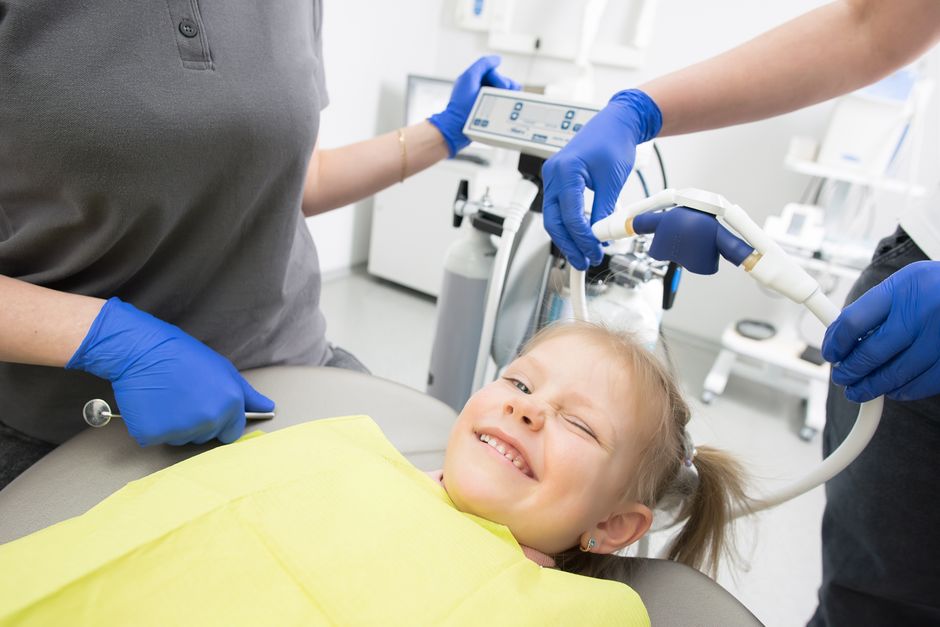
Moving to a new city means building a whole new support system for your family, and finding the right pediatric dentist near Coconut Creek FL should be near the top of that list. Your kids’ dental health doesn’t pause for a change of address, and settling into a trusted dental home early can save you stress down the road. Coconut Creek is a wonderful place to raise a family, with great schools, parks, and a real sense of community. But if you’re new to the area, you might not know where to start looking for a children’s dentist in Coconut Creek, Florida. The options in Broward County can feel overwhelming, especially when you want someone who truly specializes in treating kids. This guide will walk you through what to look for, what to expect, and how to make your child’s first visit a positive experience from the start. Sunshine Kidds Dentistry · Parkland, FL Where Every Smile Starts with Sunshine From baby teeth to braces, Sunshine Kidds Dentistry makes every visit fun, gentle, and stress-free. Our team specializes in children of all ages — including toddlers, kids with special needs, and anxious little ones. 📞 Call (754) 203-3003 Why a Pediatric Dentist Near Coconut Creek FL Matters You might wonder whether a general family dentist would work just fine for your child. In many cases, it can. But pediatric dentists receive an additional two to three years of specialized training beyond dental school, focused entirely on the unique dental needs of infants, children, and teens. That extra training covers everything from child behavior management to treating developing teeth and jaws. A pediatric dental office in Coconut Creek is specifically designed to make kids feel safe and comfortable, from the waiting room décor to the way the team communicates with young patients. That extra training covers everything from child behavior management to treating developing teeth and jaws. Children who have positive early experiences with dental care are far more likely to maintain good oral health habits into adulthood. Starting with a specialist who understands kids can make all the difference. What to Look for in a Children’s Dentist Near Coconut Creek Not every dental practice is the right fit for your family. Here are the key factors worth evaluating as you search for kids dental care near Coconut Creek. Board Certification and Pediatric Training Look for a dentist who is board-certified in pediatric dentistry. This confirms they completed a pediatric residency and met rigorous professional standards. It’s a straightforward way to verify that they specialize in treating children, not just accept them as patients. A Child-Friendly Environment The office atmosphere matters more than many parents realize. A child-friendly dentist near you will have a space that feels welcoming rather than clinical. Think colorful décor, age-appropriate entertainment, and a team that knows how to talk to nervous kids without being condescending. Range of Pediatric Services A well-rounded pediatric dental practice in Coconut Creek should offer more than just cleanings. Services like dental sealants for children, fluoride treatments, cavity prevention programs, and even emergency pediatric dentistry are all important. Some offices also coordinate with an orthodontist for children in Coconut Creek when early intervention is needed. If you’re new to the area, you need a practice that’s accepting new patients. It also helps to confirm that they work with your insurance plan or offer affordable options. An affordable kids dentist in Coconut Creek FL doesn’t have to mean lower quality. Many excellent practices offer flexible payment plans. Preparing for Your Child’s First Dental Visit in Coconut Creek The American Academy of Pediatric Dentistry recommends that children see a dentist by their first birthday or within six months of their first tooth erupting. If your child is older and hasn’t been to a dentist recently due to the move, that’s okay. The important thing is getting them in soon. Here are a few tips to make that first dental visit smooth: Talk about the visit positively. Avoid words like “pain” or “shot” and instead focus on how the dentist helps keep their smile healthy. Bring any previous dental records if you have them, especially X-rays or treatment histories from your former dentist. Arrive a few minutes early to fill out paperwork and let your child get comfortable in the new environment. Ask questions. A good pediatric dental team welcomes your curiosity about their approach to dental care for kids in Coconut Creek. Common Pediatric Dental Services Your Child May Need Once you’ve established care with a pediatric dentist near Coconut Creek FL, your child will benefit from a range of preventive and restorative services tailored to growing smiles. Pediatric Teeth Cleaning and Exams Routine cleanings and exams are the foundation of good oral health. Pediatric teeth cleaning in Coconut Creek typically happens every six months and includes a thorough cleaning, an exam of the teeth and gums, and age-appropriate oral hygiene education for your child. Fluoride Treatments and Dental Sealants Fluoride treatment for children in Coconut Creek strengthens tooth enamel and helps prevent cavities. Dental sealants provide a protective coating over the grooves of back teeth where food and bacteria tend to collect. Together, these two preventive measures significantly reduce cavities in kids. Cavity Treatment and Tooth Extractions If your child does develop a cavity, gentle pediatric dentistry near Coconut Creek ensures treatment is as comfortable as possible. In some cases, a baby tooth may need to be extracted to make room for a permanent tooth or to address infection. A skilled pediatric dentist handles these procedures with care and appropriate sedation options when necessary. Emergency Dental Care for Kids Kids are active, and accidents happen. Knowing that you have access to an emergency pediatric dentist in Coconut Creek gives you peace of mind. Whether it’s a knocked-out tooth, a cracked filling, or sudden tooth pain, having an established relationship with a pediatric dental office means your child can be seen quickly. Why Families Near Coconut Creek Choose Sunshine KiDDS Dentistry Sunshine KiDDS

Can Toddlers Really Get Cavities in Baby Teeth?
Many parents are surprised to learn that toddler cavities are not only possible but actually quite common. The assumption that baby teeth don’t matter because they’ll eventually fall out is one of the most widespread myths in children’s dental health. The truth is, primary teeth play a critical role in speech development, nutrition, and guiding permanent teeth into the right position. If a cavity forms in a baby tooth and goes untreated, it can lead to pain, infection, and even damage to the adult tooth developing underneath. Early childhood caries is a real concern, and at Sunshine KiDDS Dentistry, we see it regularly in toddlers across Parkland, Coral Springs, Boca Raton, and surrounding South Florida communities. The good news? Toddler tooth decay is largely preventable. Understanding why it happens and what you can do about it puts you in a strong position to protect your child’s smile from the very start. Why Toddlers Get Cavities at Such a Young Age Cavities form when bacteria in the mouth feed on sugars and produce acid that erodes tooth enamel. Toddlers are especially vulnerable because baby tooth enamel is thinner and softer than adult enamel, making it easier for decay to take hold quickly. Several everyday factors contribute to cavities in toddlers: Baby Bottle Tooth Decay One of the most common causes of infant and toddler cavities is prolonged exposure to sugary liquids. When a child falls asleep with a bottle of milk, formula, or juice, the liquid pools around the teeth for hours. This gives mouth bacteria a steady supply of sugar to produce enamel-damaging acid. Baby bottle tooth decay typically affects the upper front teeth first but can spread to other areas if left unchecked. Sugar and Snacking Habits Frequent snacking on crackers, fruit snacks, dried fruit, and juice boxes keeps sugar in constant contact with your toddler’s teeth. Even foods that seem healthy, like raisins or granola bars, can cling to teeth and fuel bacterial growth. It’s not just about what your child eats. How often they eat matters just as much. Constant grazing throughout the day never gives saliva enough time to neutralize acids and remineralize enamel. Bacteria Transfer from Caregivers Toddler mouth bacteria doesn’t appear on its own. The bacteria that cause cavities, particularly Streptococcus mutans, are often transferred from a parent or caregiver to the child. Sharing spoons, blowing on food, or cleaning a pacifier in your own mouth can pass cavity-causing bacteria directly to your toddler. Signs of Cavities in Babies and Toddlers Spotting early signs of cavities in babies can be tricky, especially since toddlers can’t always communicate what they’re feeling. Here are some things to watch for: ● White spots or chalky patches on the teeth, which indicate early enamel erosion ● Brown or dark spots on any tooth surface ● Sensitivity to hot, cold, or sweet foods ● Fussiness during meals or refusal to eat ● Swelling or redness along the gum line ● Persistent bad breath that doesn’t go away with brushing If you notice any of these symptoms, scheduling a toddler dental checkup as soon as possible is important. At Sunshine KiDDS Dentistry, our pediatric team is experienced at examining even the youngest patients in a gentle, kid-friendly environment. Catching decay early makes treatment simpler and far less stressful for everyone. How Are Toddler Cavities Treated? Treating cavities in toddlers depends on how far the decay has progressed. In its earliest stages, when enamel erosion is just beginning, fluoride treatments can sometimes reverse the damage and strengthen the tooth without any drilling. For more developed cavities, a small filling is usually the best option. The procedure is quick, and pediatric dentists like the team at Sunshine KiDDS Dentistry use techniques specifically designed to keep young children comfortable and calm. In severe cases where decay has reached the nerve of the tooth, a baby teeth root canal, known as a pulpotomy, may be necessary. This preserves the tooth so it can continue doing its job until the permanent tooth is ready to come in. Losing a baby tooth too early can cause spacing issues and alignment problems down the road, which is exactly why treatment matters even though the tooth is temporary. How to Prevent Cavities in Toddlers Prevention is always easier and more comfortable than treatment. A few consistent habits can dramatically reduce your child’s risk of developing cavities. Start Brushing Early and Do It Right Begin cleaning your baby’s gums with a soft cloth even before the first tooth appears. Once teeth start coming in, use a soft-bristled infant toothbrush with a rice-grain-sized smear of fluoride toothpaste. By age three, you can increase to a pea-sized amount. Baby teeth brushing techniques matter. Brush gently in small circles along the gum line and on all surfaces of each tooth. Most children need help brushing until around age six or seven, so stay hands-on. Be Strategic About Diet Limit juice to mealtimes and offer water between meals. Avoid putting anything other than water in a bottle at bedtime. Try to keep sugary and sticky snacks to a minimum, and when your child does eat them, have them rinse with water afterward. Swapping out processed snacks for cheese, fresh vegetables, and plain yogurt can also make a real difference in protecting baby dental hygiene. Use Fluoride Appropriately Fluoride for toddlers is one of the most effective tools for strengthening enamel and preventing decay. Using fluoride toothpaste at home and having professional fluoride treatments at dental visits gives your child a strong layer of protection. If you’re unsure about the right amount of fluoride for your child’s age, the team at Sunshine KiDDS Dentistry can give you personalized guidance based on your child’s specific needs and risk level. Schedule That First Dental Visit by Age One The American Academy of Pediatric Dentistry recommends a first dental visit by age one or within six months of the first tooth appearing. Early visits allow a pediatric dentist to monitor development, catch problems before they become
Why Does Your Child Refuse to Sit in the Dental Chair?
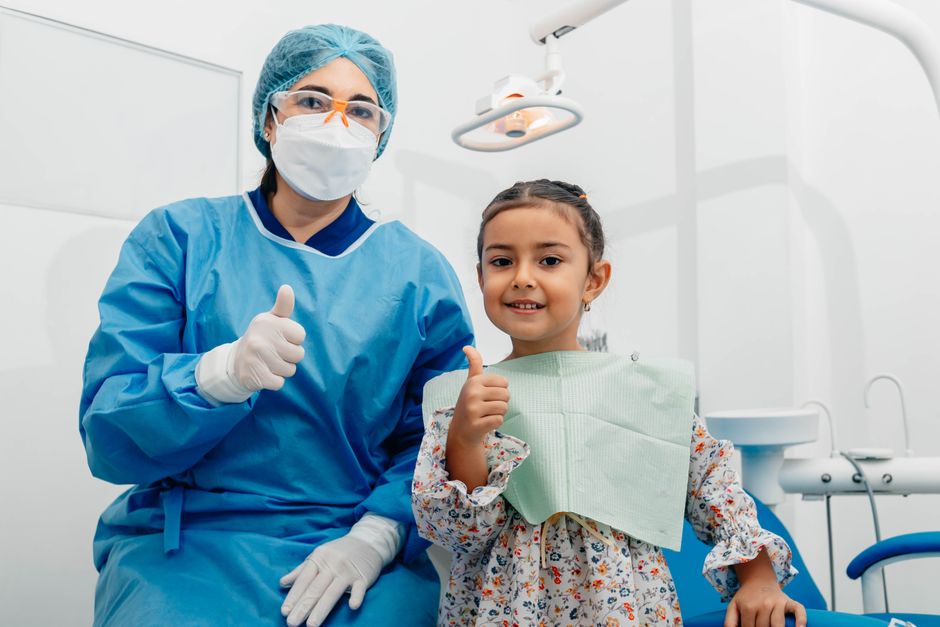
You have the appointment booked, the car loaded up, and your child seems fine until you walk through the office doors. Then the tears start, the body goes rigid, and suddenly your child refuses to sit in the dental chair no matter what you say or do. Sound familiar? This is one of the most common challenges parents face, and it does not mean something is wrong with your child. Dental anxiety in children is incredibly normal, especially during the toddler and early childhood years. Kids process the world differently than adults, and a dental office is full of unfamiliar sounds, smells, and sensations that can feel overwhelming. The good news is that with the right approach and the right pediatric dental team, even the most resistant child can learn to feel safe and cooperative during visits. At Sunshine KiDDS Dentistry, helping anxious kids feel comfortable is what the team does every single day for families across Parkland, Coral Springs, Boca Raton, and surrounding South Florida communities. Common Reasons a Child Refuses to Sit in the Dental Chair Before you can solve the problem, it helps to understand what is actually driving the resistance. Children rarely refuse dental treatment just to be difficult. There is almost always an underlying reason, and identifying it is the first step toward a better experience. Fear of the Unknown Young children thrive on predictability. A dental office is full of things they have never seen before, from the bright overhead light to the reclining chair to the sound of suction. When a child does not know what to expect, their natural response is to resist. This is especially true for a first dental visit or if a child has not been to the dentist in a long time. Everything feels foreign, and foreign can feel threatening to a developing mind. Sensory Overload The taste of fluoride, the texture of gloves, the vibration of a polishing tool, and the sound of instruments can all trigger sensory discomfort. Some children are more sensitive to these inputs than others, and even mild sensory overload can cause a toddler to refuse to cooperate. A Previous Negative Experience If your child had a difficult medical or dental experience in the past, that memory can resurface at the next appointment. Even something as simple as a shot at the pediatrician’s office can create an association between clinical settings and pain. Picking Up on Parental Anxiety Children are remarkably perceptive. If you feel nervous about your child’s appointment, there is a good chance they sense it. Phrases like “it won’t hurt” can actually introduce the idea of pain where it did not exist before. Kids pick up on tone, body language, and word choice more than we realize. How to Prepare Your Child for the Dentist Preparation makes a significant difference, especially for kids who are afraid of the dentist. A few simple steps before the appointment can reduce anxiety and set the stage for a smoother visit. Use Positive, Simple Language Talk about the dental visit in a calm, matter-of-fact way. Instead of saying “the dentist won’t hurt you,” try “the dentist is going to count your teeth and make them sparkly clean.” Keep the language age-appropriate and avoid over-explaining procedures. Read Books or Watch Videos About Dental Visits There are wonderful children’s books and short videos that walk kids through what happens at a dental appointment. These resources help remove the fear of the unknown by giving your child a visual preview of the experience. Play Pretend at Home Role-playing is a powerful tool for young children. Let your child “be the dentist” and examine a stuffed animal’s teeth with a toothbrush. Then switch roles. This kind of play normalizes the experience and gives your child a sense of control. Schedule Wisely Book the appointment at a time when your child is usually well-rested and fed. A tired, hungry toddler is far more likely to have a meltdown than one who is calm and comfortable. What Does a Pediatric Dentist for Anxious Children Actually Do Differently? A pediatric dentist is not just a regular dentist who treats smaller patients. Pediatric dental training includes years of specialized education in child psychology, behavior management, and developmental stages. This training is exactly what makes places like Sunshine KiDDS Dentistry so effective with anxious or uncooperative children. The team at Sunshine KiDDS Dentistry uses proven pediatric dental behavior management techniques designed to build trust gradually rather than forcing compliance. The goal is never to just “get through” the appointment. The goal is to create a positive association with dental care that lasts into adulthood. The Tell-Show-Do Technique This is one of the most widely used calming techniques for anxious children at the dentist. The dental team first tells the child what they are going to do in kid-friendly language, then shows them the instrument or demonstrates on a model, and only then proceeds with the actual step. This removes surprises and gives the child a sense of predictability. Desensitization and Gradual Exposure For children with more significant dental fear, Sunshine KiDDS Dentistry may recommend a “happy visit” or introductory appointment. During these visits, the child simply explores the office, sits in the chair, and meets the team without any treatment being performed. Over time, the child builds familiarity and comfort, making future appointments much easier. Distraction and Comfort Tools From ceiling-mounted TVs to sunglasses that block the overhead light, kid-friendly dental offices are designed to redirect a child’s attention. These small details can make a huge difference for a child who is nervous about what is happening in their mouth. When a Child Refuses Dental Treatment Entirely Sometimes, despite everyone’s best efforts, a child simply cannot cooperate enough for necessary dental work to be completed safely. This is especially common when a child needs treatment for early childhood caries or has behavioral challenges that make sitting still difficult. In these situations, Sunshine KiDDS Dentistry discusses child dental sedation options with parents. Sedation
Is Fluoride Treatment Safe for Your Child?
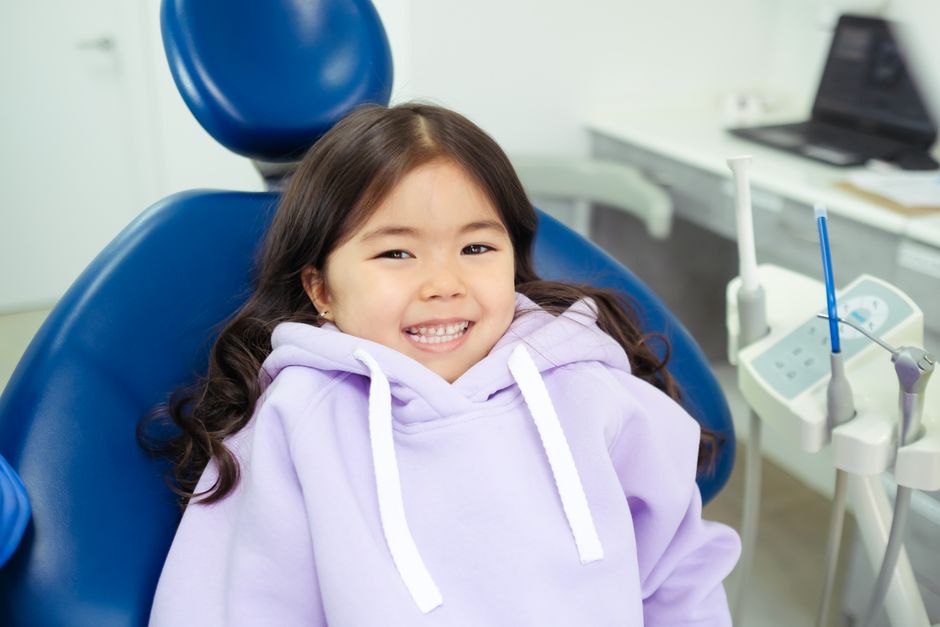
As a parent, you want to make the best decisions for your child’s health, and dental care is no exception. One of the most common questions families ask during pediatric dental visits is whether fluoride treatment for children is truly safe and necessary. The short answer? Yes. Fluoride has been used in dentistry for decades and is backed by extensive research supporting its role in cavity prevention and enamel strengthening. But we understand that “yes” alone may not be enough to put your mind at ease. At Sunshine KiDDS Dentistry, we believe informed parents make the best choices. That’s why our team takes the time to explain exactly what fluoride does, how it’s applied, and why we recommend it as part of your child’s preventive dental care plan. What Is Fluoride and Why Does It Matter for Kids? Fluoride is a naturally occurring mineral found in water, soil, and certain foods. It plays a key role in dental health because it helps rebuild weakened tooth enamel and slows down the process that leads to cavities. Children are especially vulnerable to tooth decay. Their primary teeth have thinner enamel than adult teeth, and let’s be honest, most kids aren’t exactly perfect at brushing. That combination makes cavity prevention fluoride treatments a valuable tool in keeping young smiles healthy. When fluoride is applied to the teeth, it integrates into the enamel surface and creates a stronger, more cavity resistant layer. This process, called remineralization, essentially repairs early damage before it turns into a full-blown cavity. Is Fluoride Safe for Kids? Here’s What the Research Says Fluoride is safe for children when used in the appropriate amounts recommended by dental professionals. The American Academy of Pediatric Dentistry, the American Dental Association, and the Centers for Disease Control and Prevention all endorse fluoride as a safe and effective method for preventing tooth decay in children. The concern most parents have usually relates to fluorosis, a cosmetic condition caused by excessive fluoride intake during early childhood. Fluorosis typically appears as faint white spots on the teeth and is almost always mild. It occurs only when children swallow large amounts of fluoride over time, not from professional dental fluoride applications. At Sunshine KiDDS Dentistry, our pediatric dental team carefully controls the amount of fluoride used during each visit. We tailor every treatment to your child’s age, weight, and individual risk level, so you can feel confident that fluoride safety for young children is always our priority. How Fluoride Treatment for Children Works at Sunshine KiDDS Dentistry Professional fluoride treatments are quick, painless, and take just a few minutes during your child’s regular dental checkup. Here’s what you can expect when you visit our office in the Parkland and Coral Springs area. Fluoride Varnish for Children The most common method we use at Sunshine KiDDS Dentistry is fluoride varnish. This is a thin, concentrated coating painted directly onto the tooth surfaces with a small brush. It hardens on contact with saliva, so there’s virtually no risk of your child swallowing it. Fluoride varnish treatment is especially well-suited for younger children and toddlers because it’s fast, tastes pleasant, and doesn’t require trays or rinses that can be uncomfortable for little ones. Professional Fluoride Gel and Rinse Options For older children, we may also recommend professional fluoride gel applied in a tray or a fluoride rinse for children who are at higher risk for cavities. These options deliver a stronger concentration of fluoride than what’s found in fluoridated toothpaste for children or tap water. Our team will recommend the best option based on your child’s dental history, dietary habits, and overall oral health. Benefits of Fluoride for Children’s Dental Health Fluoride does more than just fight cavities. Here are the key benefits your child gets from regular pediatric fluoride applications: Strengthens developing enamel on both primary and permanent teeth Reverses early signs of decay before a cavity forms Reduces the need for fillings and other restorative treatments down the road Works alongside dental sealants and fluoride to provide comprehensive protection Saves time and money by preventing dental problems rather than treating them Children who receive regular fluoride treatments, combined with good brushing habits and routine dental visits, have significantly fewer cavities than those who don’t. For families in Boca Raton, Coral Springs, Parkland, and surrounding South Florida communities, Sunshine KiDDS Dentistry makes preventive care easy and stress-free. When Should Your Child Start Getting Fluoride Treatments? The American Academy of Pediatric Dentistry recommends that children begin receiving fluoride varnish as soon as their first tooth appears. Early primary teeth fluoride treatment helps protect those baby teeth, which play a critical role in speech development, nutrition, and guiding permanent teeth into place. At Sunshine KiDDS Dentistry, we typically begin fluoride applications during your child’s first dental visit, which we recommend by age one. From there, we continue with treatments every six months as part of their regular checkups. If your child is older and hasn’t received fluoride treatments before, it’s never too late to start. Our team will assess their current dental health and create a personalized plan that includes topical fluoride for kids, along with any other preventive measures they may benefit from. Fluoride at Home vs. Professional Fluoride Applications Many parents wonder if brushing with fluoridated toothpaste or drinking fluoridated water is enough. These are both excellent sources of daily fluoride exposure and absolutely contribute to children’s oral health fluoride protection. However, they deliver fluoride at much lower concentrations than a professional dental fluoride application. Think of it this way: daily fluoride from toothpaste and water is like wearing sunscreen every day, while professional fluoride treatments are like getting a deeper level of protection when you know you’ll be in the sun all day. Both matter, and they work best together. Our Sunshine KiDDS Dentistry team can also advise you on systemic fluoride supplementation if your home water supply isn’t fluoridated, so your child gets the full benefit of dental health fluoride protection between visits. Fluoride treatment for
Is Sedation Dentistry Necessary for Nervous Children?
Taking a nervous child to the dentist can feel like preparing for battle. The tears, the resistance, the guilt of watching your little one struggle through something that should be routine. If this sounds familiar, you are not alone. Dental anxiety in children is incredibly common, and it is one of the top reasons parents delay or avoid dental visits altogether. The good news is that sedation dentistry for children has made it possible for even the most fearful kids to receive the care they need safely and comfortably. But does every anxious child actually need sedation? And how do you know if it is the right choice for your family? At Sunshine KiDDS Dentistry, we help parents across Parkland, Coral Springs, Boca Raton, and surrounding South Florida communities navigate these exact questions every day. Our team takes a personalized approach, because no two children experience dental anxiety the same way, and no single solution works for everyone. Why Do Some Children Experience Dental Anxiety? Fear of the dentist is not something children simply choose. It is a natural response that can stem from a variety of sources, and understanding the root cause helps determine the best path forward. Common Triggers of Dental Fear in Kids Several factors can contribute to dental anxiety in children. Some of the most common include: Unfamiliar environment. Bright lights, strange sounds, and new faces can overwhelm young children who have never experienced a dental office. Previous negative experiences. A painful or uncomfortable visit in the past can create lasting fear. Sensory sensitivities. Children with sensory processing challenges or special needs may find dental instruments, tastes, or textures especially distressing. Parental anxiety. Kids are perceptive. If a parent feels uneasy about dental visits, children often pick up on that energy. Age and developmental stage. Very young children simply may not have the ability to sit still or cooperate for extended procedures, regardless of their anxiety level. At Sunshine KiDDS Dentistry, our team is trained in behavioral dentistry for kids. We use age-appropriate communication, distraction techniques, and a warm, child-friendly environment to help ease fear before considering any form of sedation. What Is Pediatric Sedation Dentistry? Pediatric sedation dentistry refers to the use of medication to help children relax during dental procedures. It is not about putting a child to sleep for a simple cleaning. Instead, it is a carefully managed approach that matches the level of sedation to the child’s needs and the complexity of the treatment. Sedation can range from mild relaxation, where the child remains fully awake and responsive, to deeper levels where they may drift into a sleep-like state. The goal is always the same: anxiety-free dental care so your child can receive treatment without fear or discomfort. Children’s Dental Sedation Options at Sunshine KiDDS Dentistry Sunshine KiDDS Dentistry offers several safe sedation methods tailored to each child’s situation: Nitrous oxide (laughing gas). This is the mildest form of sedation. Your child breathes in a gentle mix of nitrous oxide and oxygen through a small mask. It helps them feel calm and relaxed while remaining fully conscious. The effects wear off within minutes after the mask is removed. Oral sedation. For children who need a bit more help relaxing, oral sedation involves a prescribed medication taken before the appointment. Your child will feel drowsy and calm but can still respond to the dentist. IV sedation. For more complex procedures or children with severe anxiety, IV sedation provides a deeper level of relaxation. It is administered and monitored by trained professionals throughout the entire visit. General anesthesia. In certain cases, particularly for very young children, those with special needs, or extensive treatment plans, general anesthesia may be recommended. This is performed under strict safety protocols with pediatric anesthesia professionals. Each option is discussed thoroughly with parents so you feel confident and informed before any treatment begins. Is Sedation Dentistry for Children Always Necessary? Not every nervous child needs sedation. Many children respond well to gentle approaches that do not involve medication at all. Techniques like tell-show-do, positive reinforcement, and building trust over multiple visits can work wonders for mild to moderate anxiety. Sedation becomes a practical choice when anxiety is so intense that it prevents the child from receiving needed care, or when the dental procedure itself is lengthy or complex. It is also commonly recommended for children with special needs who may have difficulty staying still or processing the sensory experience of a dental visit. At Sunshine KiDDS Dentistry, we never jump straight to sedation. Our approach starts with getting to know your child, understanding their fears, and trying the least invasive methods first. If sedation is recommended, it is because our team genuinely believes it is the safest and most comfortable option for your child’s specific situation. How Safe Is Sedation Dentistry for Kids? Safety is the number one concern for any parent considering dental sedation for their child, and rightfully so. When performed by qualified professionals in a properly equipped office, pediatric sedation dentistry has an excellent safety record. Sunshine KiDDS Dentistry follows strict safety protocols for every sedation case. This includes: A thorough review of your child’s medical history before any sedation is administered Continuous monitoring of vital signs throughout the procedure Proper training and certification of all team members involved in sedation care Clear pre-appointment and post-appointment instructions for parents Age-appropriate dosing and medication selection Our team also provides detailed aftercare guidance so you know exactly what to expect when your child goes home. Most children bounce back quickly and have little to no memory of the procedure. How Sunshine KiDDS Dentistry Helps Fearful Children Feel at Ease What sets Sunshine KiDDS Dentistry apart is the belief that every child deserves a positive dental experience, whether or not sedation is involved. Our office is designed with kids in mind, from the welcoming environment to the patient, compassionate team members who genuinely enjoy working with children. For parents in Parkland, Coral Springs, Boca Raton, and nearby communities, choosing
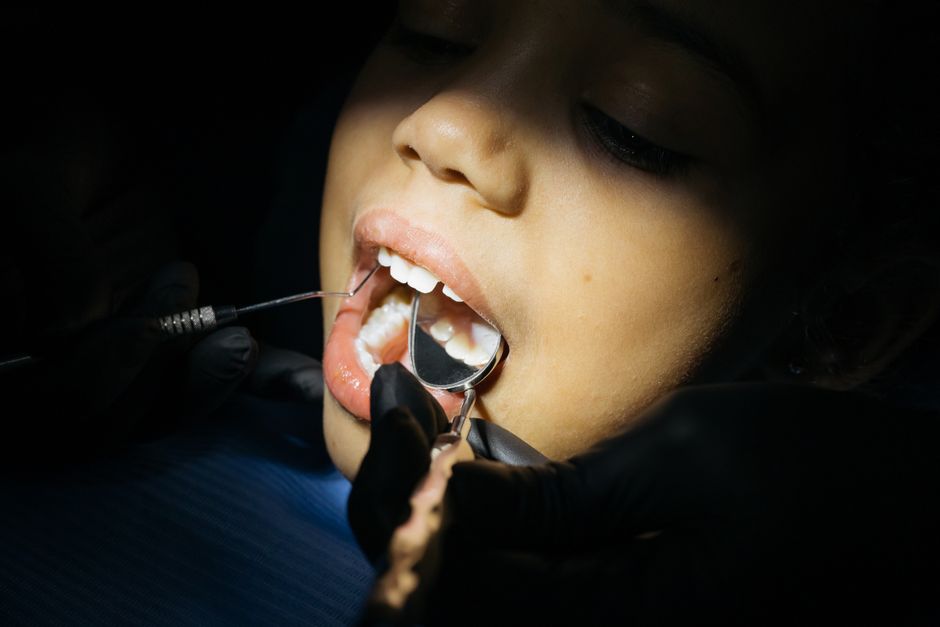
How Do I Know If My Child Has a Cavity?
Spotting the signs of a cavity in a child isn’t always straightforward. Unlike adults, kids don’t always know how to describe tooth pain, and some cavities develop without any obvious symptoms at first. That’s why so many parents find themselves wondering whether that tiny spot or sudden sensitivity actually means something is wrong. The good news is that early cavity detection in children makes treatment simpler, faster, and far less stressful for everyone involved. Once you know what to look for, you can act quickly and get your child the care they need before a small problem turns into a bigger one. At Sunshine KiDDS Dentistry, we help families across Parkland, Coral Springs, Boca Raton, and the surrounding South Florida communities catch tooth decay early and keep little smiles healthy. Here’s what every parent should know about recognizing cavity symptoms in children and when to schedule a visit. Common Signs of a Cavity in a Child Tooth decay in children can show up in several ways, and the signs vary depending on how far the cavity has progressed. Some symptoms are visible, while others are behavioral. Here are the most common warning signs to watch for: White or chalky spots on the teeth. These are often the earliest sign of enamel breakdown, even before a full cavity forms. Brown spots on baby teeth or black spots on child teeth. Discoloration that doesn’t go away with brushing is a strong indicator of decay. A visible hole or pit in the tooth. If you can see an actual cavity on your child’s tooth, the decay has already progressed and needs professional treatment. Sensitivity to hot, cold, or sweet foods. Your child might wince, pull away, or refuse certain foods and drinks. Tooth pain or complaints about a “toothache.” Even vague complaints about mouth discomfort should be taken seriously. Bad breath that doesn’t improve with brushing. Persistent bad breath can signal bacteria buildup and decay. Swelling or redness around a tooth or along the gumline. If you notice any of these signs, it’s worth scheduling an appointment rather than waiting. At Sunshine KiDDS Dentistry, our team is experienced at examining young patients gently and thoroughly, so we can confirm whether a cavity is present and recommend the right next step. What Does Tooth Decay Look Like in Toddlers and Young Kids? Detecting tooth decay in young children, especially toddlers, can be tricky. Toddlers can’t tell you what hurts, and they may just become fussy, refuse to eat, or wake up crying at night without an obvious reason. Baby cavity symptoms often start as faint white lines or spots near the gumline on the upper front teeth. Over time, those spots can turn yellow, brown, or even black. In more advanced cases, the tooth structure may start to crumble or chip. Primary tooth decay signs in toddlers also include: Drooling more than usual Chewing on one side of the mouth Pulling at their ears or cheeks (which can signal referred tooth pain) Sudden changes in eating habits Many parents assume that cavities in baby teeth aren’t a big deal because those teeth will eventually fall out. But untreated decay in primary teeth can cause pain, infection, and even damage to the permanent teeth forming underneath. That’s why our team at Sunshine KiDDS Dentistry recommends bringing your child in for their first dental visit by age one or when the first tooth appears. What Causes Cavities in Children? Understanding how cavity formation in primary teeth works can help you prevent problems before they start. Cavities form when bacteria in the mouth feed on sugars from food and drinks, producing acid that wears down tooth enamel over time. Key Dental Cavity Risk Factors in Children Several factors increase a child’s likelihood of developing cavities: Frequent snacking on sugary or starchy foods. Crackers, fruit snacks, juice, and even milk left on teeth for extended periods can fuel decay. Inconsistent brushing and flossing habits. Kids under six or seven usually don’t have the motor skills to brush effectively on their own. Not enough fluoride. Fluoride strengthens enamel and helps resist acid attacks. If your child isn’t getting enough through toothpaste or water, their teeth may be more vulnerable. Dry mouth. Saliva helps wash away food particles and neutralize acids. Kids who breathe through their mouths or take certain medications may produce less saliva. Deep grooves in molars. Some children naturally have deeper pits and fissures in their back teeth, which trap food and bacteria more easily. At Sunshine KiDDS Dentistry, we take a proactive approach. During every visit, we assess your child’s individual risk factors and provide personalized recommendations, whether that includes dental sealants, fluoride treatments, or guidance on brushing techniques. How a Pediatric Dentist Detects and Treats Cavities A pediatric dentist for cavities uses specialized tools and techniques designed specifically for children’s smaller mouths and developing teeth. During a routine exam, your child’s dentist will visually inspect each tooth, take digital X-rays when appropriate, and check for early signs of decay that aren’t visible to the naked eye. Early cavity detection in children often means the problem can be addressed with minimally invasive treatment. Here’s what pediatric cavity treatment typically looks like depending on the stage of decay: Fluoride application. For very early-stage decay (those white spots), professional fluoride treatment can sometimes reverse the damage before a filling is needed. Dental fillings. The most common treatment for a cavity. The decayed portion of the tooth is removed and replaced with a tooth-colored filling material. Dental crowns. If the decay is extensive, a stainless steel or tooth-colored crown may be placed to protect and restore the tooth. Pulp therapy. When decay reaches the nerve of the tooth, a procedure similar to a root canal may be necessary to save the tooth. Sunshine KiDDS Dentistry makes these procedures as comfortable as possible. Our office is designed with kids in mind, and our team takes extra time to explain each step in a way that puts children (and parents)
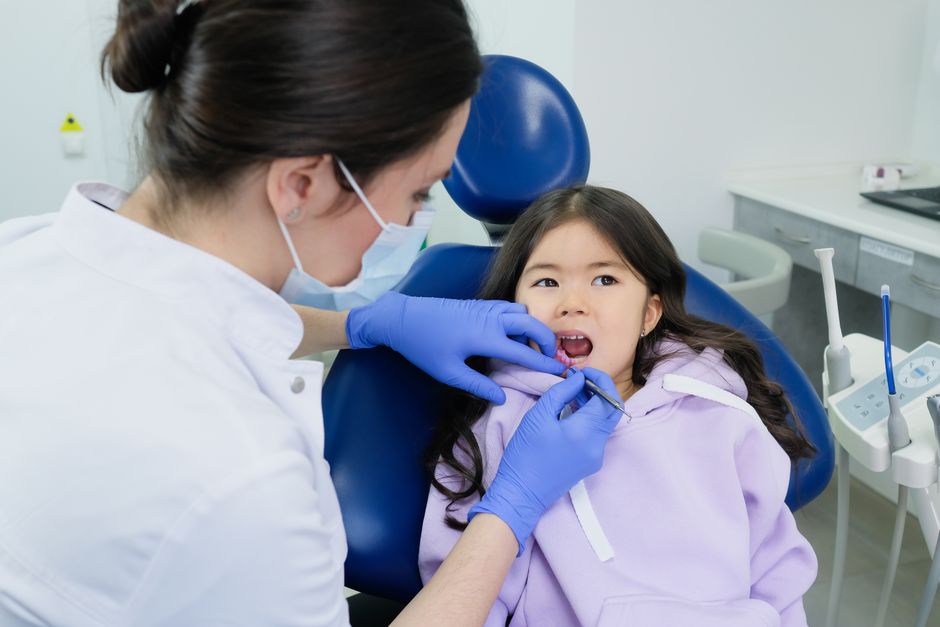
How Do Pediatric Dentists Handle Anxious Kids?
Watching your child feel scared before a dental visit can be stressful for the whole family. Tears, resistance, and full-blown meltdowns in the waiting room are more common than most parents realize. The good news is that a skilled pediatric dentist for anxious child patients knows exactly how to turn a difficult appointment into a positive experience. At Sunshine KiDDS Dentistry, helping fearful children feel safe and comfortable is a core part of what we do every single day. Our team in Parkland and the surrounding South Florida communities specializes in gentle pediatric dental care designed to build trust, reduce fear, and create lasting healthy habits. Here is a closer look at the techniques and approaches that make all the difference for nervous young patients. Why Do So Many Kids Experience Dental Anxiety? Child dental anxiety is incredibly common, and it does not mean anything is wrong with your child. Fear of the unknown, sensitivity to new sounds and sensations, and even a parent’s own nervousness can all play a role. Some children have had a previous uncomfortable medical or dental experience that carries over. Others simply feel overwhelmed by the clinical environment. Kids with sensory sensitivities or special needs may find the lights, sounds, and textures of a dental office especially challenging. Understanding the root cause helps our team at Sunshine KiDDS Dentistry tailor our approach to each child. There is no one-size-fits-all solution, and that is exactly why pediatric dentists receive years of specialized training in behavioral management pediatric dentistry beyond general dental school. How a Pediatric Dentist for Anxious Child Patients Creates a Calm Environment The experience starts before your child ever sits in the dental chair. A kid-friendly dental office is designed from the ground up to feel welcoming rather than intimidating. A Space That Feels Like Fun, Not a Doctor’s Office At Sunshine KiDDS Dentistry, our office features bright colors, engaging décor, and a welcoming atmosphere that immediately puts kids at ease. The goal is to replace the clinical feeling with something familiar and even exciting. Children who walk into a space that feels playful are far less likely to enter fight-or-flight mode before their appointment begins. Friendly Faces and Warm Introductions Our staff is trained to greet every child at their level, both physically and emotionally. We crouch down, make eye contact, and use age-appropriate language. Rather than rushing into procedures, we spend time getting to know your child. This relationship-building is one of the most effective calming techniques for fearful children at the dentist. Pediatric Dentist Techniques That Reduce Fear and Build Trust Beyond the environment, specific clinical techniques help anxious kids feel safe throughout their visit. These methods are backed by research and refined through real-world experience with thousands of young patients. Tell-Show-Do Method This is one of the most widely used child cooperative patient techniques in pediatric dentistry. Before using any instrument, we explain what it does in simple, non-threatening language. Then we show the child how it works, often on their finger or hand. Finally, we proceed with the actual step. Removing the element of surprise dramatically reduces pediatric dental anxiety. Distraction Techniques Distraction is a powerful tool. At Sunshine KiDDS Dentistry, we use ceiling-mounted screens, music, storytelling, and interactive conversation to redirect a child’s attention away from the procedure. These distraction techniques give children something positive to focus on, which makes the visit feel shorter and far less stressful. Positive Reinforcement Praising brave behavior, offering small rewards, and celebrating milestones help children associate dental visits with positive outcomes. Over time, this reinforcement reshapes how a child feels about coming to the dentist. Many of our young patients at Sunshine KiDDS Dentistry actually look forward to their next appointment. Desensitization Through Gradual Exposure For children with significant fear of dental work, we may recommend a series of short, low-pressure visits before any treatment begins. This desensitization therapy for dental fear allows your child to become comfortable with the office, the team, and the sounds and sensations of dental care at their own pace. It is especially helpful for special needs pediatric dentist situations where extra time and patience are needed. Sedation Dentistry Options for Kids Who Need Extra Support Sometimes behavioral techniques alone are not enough, and that is perfectly okay. Sunshine KiDDS Dentistry offers pediatric dentist sedation options to ensure every child receives the care they need safely and comfortably. Nitrous Oxide (Laughing Gas) Nitrous oxide sedation for children is the mildest form of sedation. Your child breathes a mix of nitrous oxide and oxygen through a small mask, which creates a feeling of relaxation and mild euphoria. They remain fully conscious and responsive. The effects wear off within minutes after the mask is removed, so your child can return to normal activities right away. Oral Sedation and Additional Options For children with more intense anxiety or those who need extensive treatment, oral sedation may be recommended. This involves a prescribed medication taken before the appointment that helps the child feel deeply relaxed. Our team carefully evaluates each child’s medical history, age, and level of anxiety to determine the safest and most effective sedation approach. Every decision prioritizes your child’s comfort and well-being. What Parents Can Do to Help Before a Kids Dental Visit Parents play a significant role in shaping how a child feels about the dentist. A few simple strategies can make a real difference in reducing child dental anxiety treatment needs over time. Stay calm and positive. Children pick up on their parents’ emotions. If you talk about the dentist casually and positively, your child is more likely to mirror that attitude. Avoid negative language. Words like “pain,” “shot,” or “hurt” can create fear even when the visit is routine. Let the dental team introduce concepts in child-friendly terms. Read books or watch videos about dental visits. Familiarity with the process helps reduce fear of the unknown. Start early. The American Academy of Pediatric Dentistry recommends a first visit by age one. Early, positive experiences
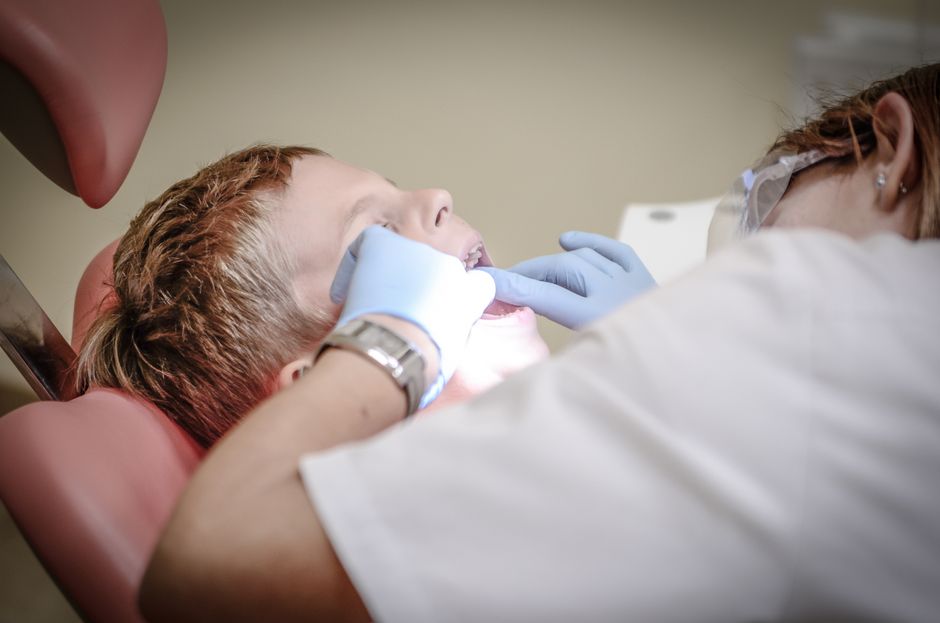
When Should I Take My Child to an Emergency Dentist?
A child’s dental emergency rarely happens at a convenient time. Whether it’s a knocked-out tooth during a Saturday soccer game or a throbbing toothache that keeps your little one up at night, knowing when to seek urgent care can make all the difference in saving a tooth and preventing complications. Not every dental issue requires an immediate trip to an emergency pediatric dentist, but some situations absolutely do. The challenge for most parents is figuring out which is which, especially when your child is crying and in pain. At Sunshine KiDDS Dentistry, we help families across Parkland, Coral Springs, Boca Raton, and surrounding South Florida communities navigate these stressful moments with confidence. Below, we’ll walk you through the most common children’s dental emergencies, what to do before you get to our office, and why acting quickly matters. Common Pediatric Dental Emergencies That Need Immediate Attention Some dental injuries and symptoms can wait until your next scheduled appointment. Others cannot. Here are the situations where your child needs to see an emergency pediatric dentist as soon as possible. Knocked-Out Permanent Tooth A knocked-out permanent tooth is one of the most time-sensitive dental emergencies in children. If you can find the tooth, pick it up by the crown (the white part you normally see) and avoid touching the root. Rinse it gently with water if it’s dirty, but do not scrub it. Try to place the tooth back in the socket if your child will allow it. If not, store it in a small container of milk or saliva. Time matters here. Getting to Sunshine KiDDS Dentistry within 30 minutes gives your child the best chance of saving the tooth. A knocked-out baby tooth is handled differently. Reimplanting a baby tooth is typically not recommended because it can damage the developing permanent tooth underneath. Still, call us right away so we can evaluate the area and make sure nothing else is injured. Severe Toothache or Facial Swelling A mild toothache might be caused by something as simple as food stuck between teeth. But a persistent, severe toothache, especially one paired with facial swelling, fever, or swollen gums, could signal a dental abscess or infection. Pediatric dental infections can spread quickly and become dangerous if left untreated. If your child has swelling around the jaw or face along with pain, don’t wait. This type of situation often requires same-day treatment, which may include antibiotics, drainage, or emergency tooth extraction if the infection is severe. Broken, Cracked, or Chipped Teeth Kids break teeth more often than you might expect. Falls, sports injuries, and biting down on hard objects are the usual culprits. If a piece of the tooth has broken off, try to save the fragment and bring it with you. Rinse your child’s mouth with warm water and apply a cold compress to reduce swelling. A small chip may not be a true emergency, but a crack that exposes the inner nerve or causes significant pain requires urgent pediatric dental services. Our team at Sunshine KiDDS Dentistry can evaluate the damage and determine whether your child needs bonding, a crown, or more advanced pediatric dental trauma treatment. Dental Injuries That Can Wait vs. Those That Can’t Not sure if your child’s situation qualifies as a true emergency? Here’s a quick guide. Go to an emergency dentist for children right away if: A permanent tooth has been knocked out or pushed out of position There is uncontrolled bleeding from the mouth Severe pain that doesn’t respond to over-the-counter pain relievers Visible swelling in the face, jaw, or gums A broken tooth with sharp edges cutting the tongue, cheek, or lip Signs of infection such as fever, pus, or a foul taste in the mouth Schedule a visit soon, but it’s likely not an emergency if: A baby tooth falls out naturally or is slightly loose from minor impact A small chip with no pain or sharp edges Mild sensitivity to hot or cold foods A lost filling or crown with no pain When in doubt, call Sunshine KiDDS Dentistry. Our team can help you assess the situation over the phone and advise whether your child needs to come in immediately or if a next-day appointment is appropriate. What to Do Before You Reach the Emergency Pediatric Dentist Staying calm is the single most helpful thing you can do. Children pick up on their parents’ anxiety, and a panicked child is harder to examine and treat. Here are some practical first-aid steps to take while you’re on the way to our office. Managing Pain and Bleeding at Home For child toothache relief, you can give an age-appropriate dose of children’s ibuprofen or acetaminophen. Avoid placing aspirin directly on the gums, as this can burn the tissue. If there’s bleeding, have your child bite down gently on a piece of clean gauze or a damp tea bag. Apply steady pressure for about 10 to 15 minutes. A cold compress on the outside of the cheek can help with both pain and swelling. Avoid giving your child very hot, very cold, or sugary foods and drinks before the appointment, as these can increase discomfort. Handling a Loose or Displaced Tooth If a tooth has been pushed into the gum, shifted to one side, or is hanging loosely, do not try to force it back into place. Let your child bite down on a soft cloth to stabilize the area and head to our office. Attempting to reposition the tooth yourself could cause more harm to the surrounding tissue or developing teeth. Why Sunshine KiDDS Dentistry Is the Right Choice for Your Child’s Dental Emergency Dental emergencies are stressful enough without the added worry of finding a provider who actually knows how to work with kids. A general emergency room can address pain and bleeding, but most ERs are not equipped to perform dental procedures or provide definitive pediatric dental injury care. Sunshine KiDDS Dentistry is built specifically around the needs of young patients. Our office environment