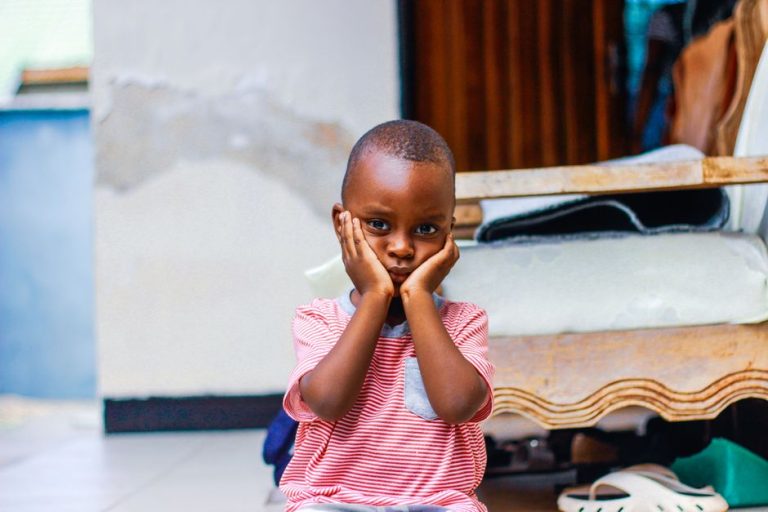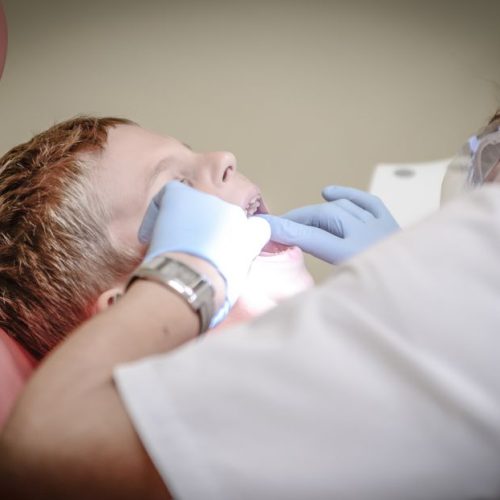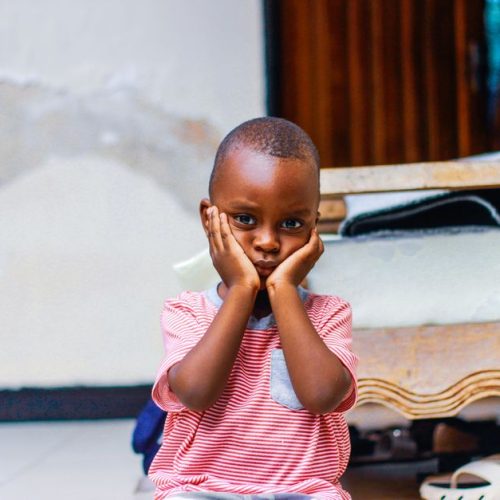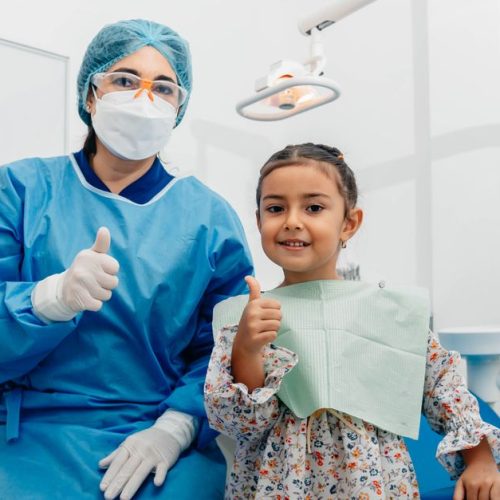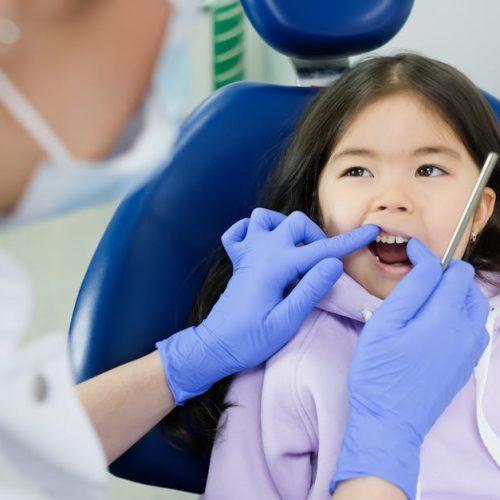
For many families, the worddentist instantly changes the mood in the room. A cheerful child suddenly goes quiet. A simple reminder turns into a negotiation. Tears arrive before anyone has even left the house. Parents often feel helpless watching this happen, unsure whether to push forward or postpone the visit altogether.
At Sunshine Kids Dentistry, we meet families at this exact moment every day. Dental fear is not misbehavior. It is communication. It is your child’s way of saying something that feels unfamiliar, overwhelming, or out of control. Understanding the emotional roots of that fear is the first step toward turning dental visits into something your child can handle with confidence.
Where Dental Fear Begins
Children do not arrive at the dentist afraid by accident. Their fear grows from experiences, stories, and sensory impressions they don’t yet have the language to explain.
For some, it begins with a rushed or confusing appointment at a young age. For others, fear develops after hearing siblings or classmates share dramatic stories about drills or shots. Even watching a parent tense up in the chair can quietly teach a child that the dentist is something to be endured, not trusted.
At Sunshine Kids Dentistry, parents often tell us their child “just suddenly became scared.” In reality, fear is usually built slowly: one unfamiliar sound, one uncomfortable moment, one situation where the child felt they had no control.
Why Skipping Appointments Makes the Fear Stronger
It’s natural to want to protect your child from stress. Many parents delay visits once fear appears, hoping the anxiety will fade with time. Unfortunately, avoidance almost always strengthens fear.
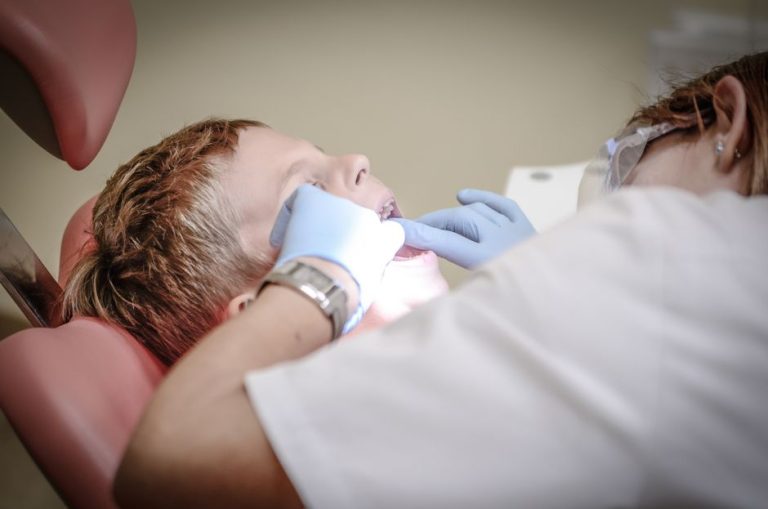
Without routine preventive care, small dental concerns grow quietly. A minor cavity becomes a painful toothache. A missed cleaning leads to inflamed gums. When a child finally returns to the dentist because something hurts, their belief is confirmed:The dentist only means pain.
This is why Sunshine Kids Dentistry emphasizes prevention cleanings, fluoride treatments, sealants, services that keep visits simple, gentle, and predictable.
How Sunshine Kids Dentistry Builds Trust
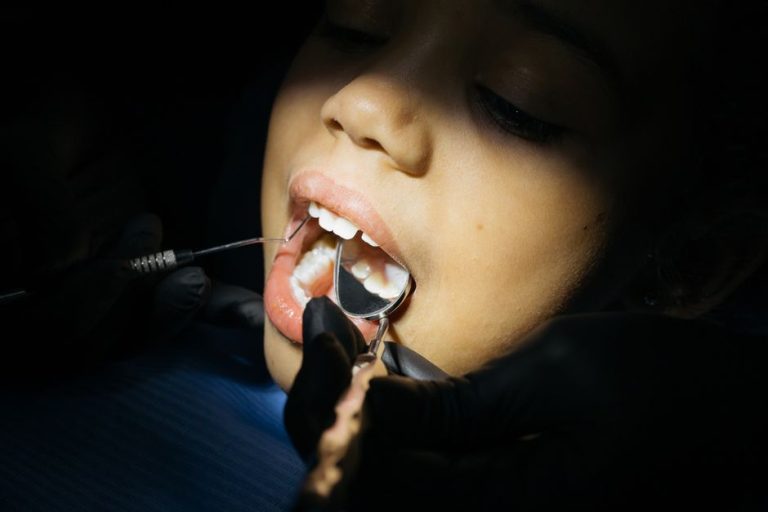
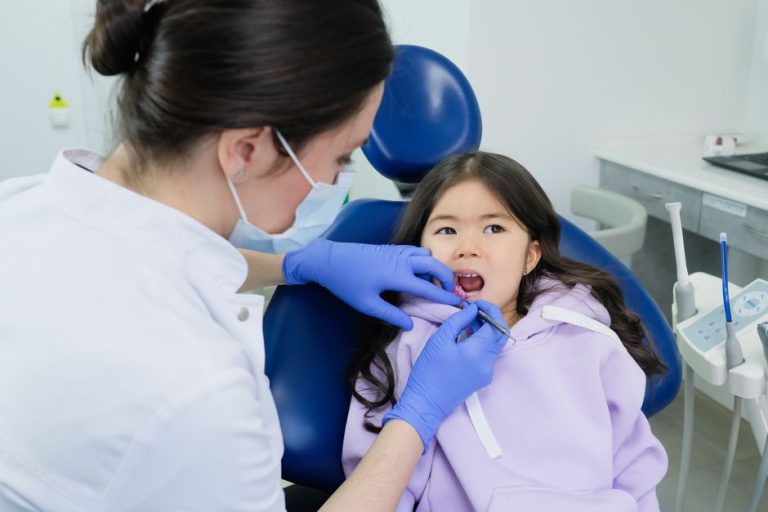
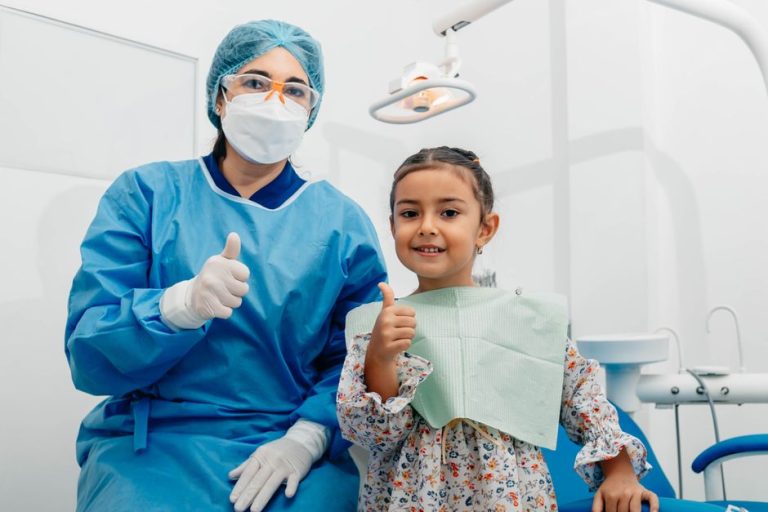
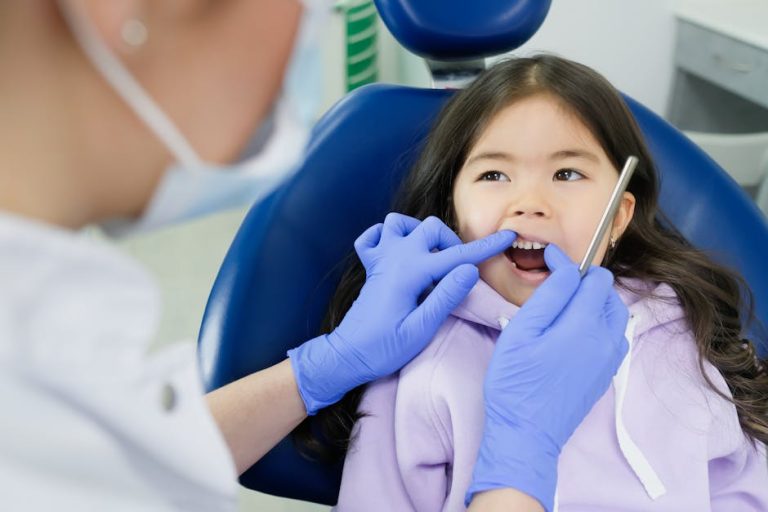
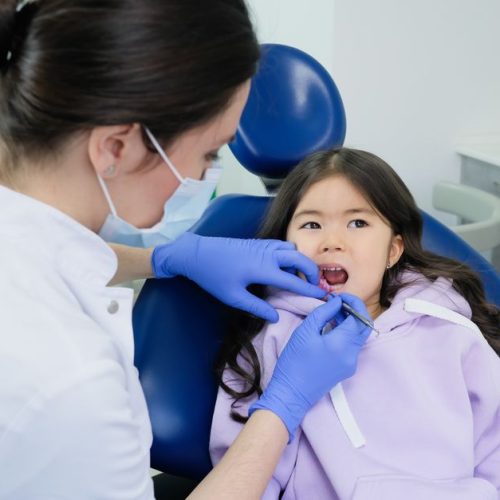
Our pediatric team is trained to care for children, not just teeth. We do not rush, restrain, or dismiss fear. We explain. We demonstrate. We let children observe before they experience it.
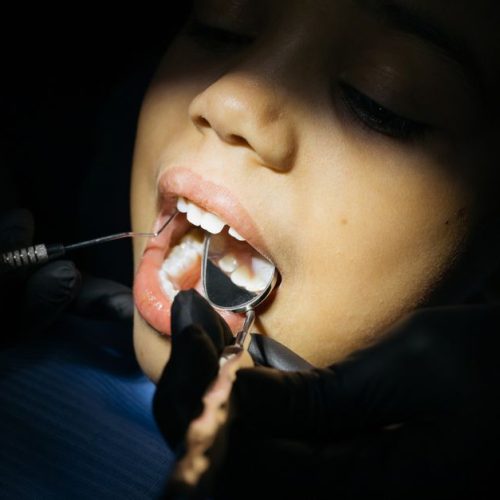
From the moment your family arrives, we use child-friendly language and behavior guidance techniques designed to help kids feel safe. When restorative treatment is needed, we proceed gradually, always checking comfort and understanding. And for children with higher anxiety or special needs, we offer safe sedation dentistry options, not as a shortcut, but as a supportive tool.
How Parents Can Prepare Their Child at Home
What happens before the appointment matters just as much as what happens in the chair.
Helpful steps include:
- Speak positively about dental care never as punishment or threat.
- Read storybooks about visiting the dentist.
- Practice “dentist” at home with stuffed animals.
- Let your child bring a comfort item to their visit.
Children absorb emotional cues more than explanations. When you approach dental visits calmly, they learn that calm is possible.
When Fear Signals Something Deeper
Some children have sensory sensitivities, developmental challenges, or past medical trauma that make dental visits particularly hard. At Sunshine Kids Dentistry, we recognize these patterns and adjust our care: offering more time, breaks, and flexibility.
The Long-Term Power of Positive Experiences
Children who feel respected in the dental chair grow into adults who value preventive care. They don’t wait for pain to seek help. They don’t avoid routine checkups. They pass those habits on to their own children.

Short Q&A
By their first birthday or when their first tooth appears.
Yes. Sunshine Kids Dentistry uses carefully monitored sedation options when appropriate.
Extremely. Most children experience it at some point.
Final Thoughts
Fear fades when trust grows. At Sunshine Kids Dentistry, our mission is not just healthy smiles, it’s confident children who feel safe, understood, and supported every step of the way.