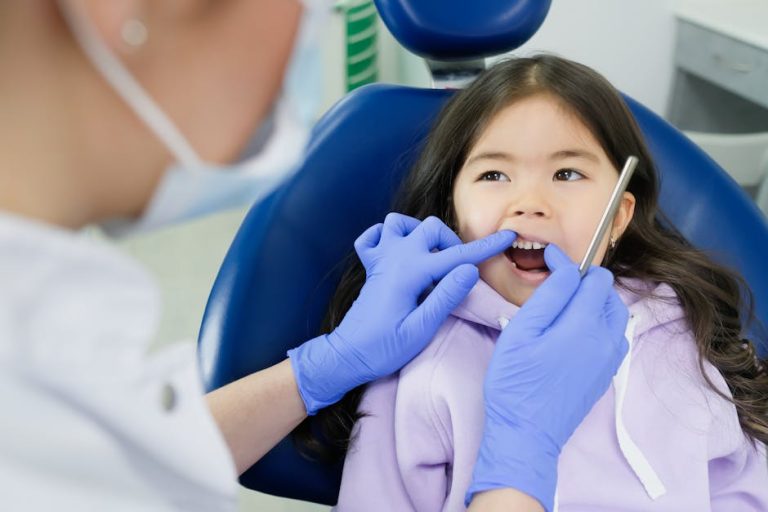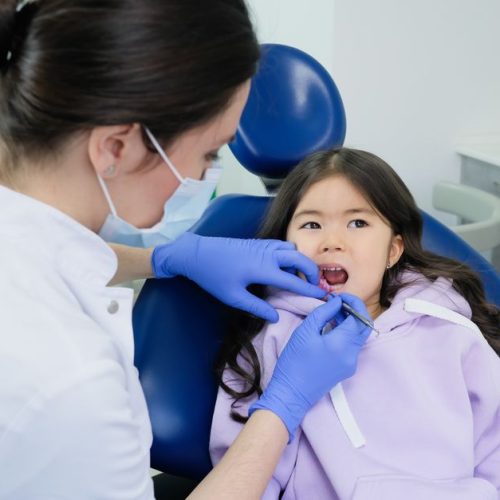

It usually begins with a complaint at dinner.
“My mouth hurts.”
“This spot stings.”
“I don’t want to eat.”
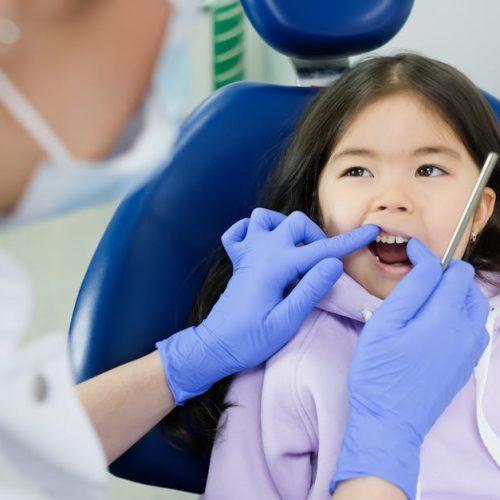
You take a closer look and notice a small white or yellow sore inside your child’s cheek or on their lip. It’s tender, inflamed, and clearly uncomfortable.
At Sunshine KiDDS Dentistryin Parkland, Florida, mouth ulcers are a common concern among parents. While most are harmless and resolve on their own, understanding why they occur can help reduce discomfort and prevent recurrence.
As a Board-Certified Pediatric Dentist, Dr. Sheryl Georgeoften reassures families that these sores are typically minor. But she also emphasizes that recurring ulcers deserve attention, especially if they interfere with eating, drinking, or speaking.
Let’s explore the most common causes.
What Are Mouth Ulcers?
Mouth ulcers, often called canker sores, are small, shallow lesions that develop on the soft tissues inside the mouth. Unlike cold sores, which appear outside the lips and are viral in origin, mouth ulcers are not contagious.
They typically appear on:
- Inner cheeks
- Inside the lips
- Tongue
- Soft palate
- Gum tissue
They may look white, yellow, or gray in the center with a red border. While small, they can be surprisingly painful especially for children.
Minor Trauma - The Most Common Cause
One of the simplest explanations is also the most common: accidental injury.
Children frequently:
- Bite their cheeks while chewing
- Scrape soft tissue with a toothbrush
- Irritate their mouth with sharp foods (chips, pretzels)
- Experience friction from orthodontic appliances
Even aggressive brushing can trigger irritation.
At Sunshine KiDDS Dentistry, Dr. George often identifies minor trauma as the root cause. Children’s oral tissues are delicate, and small injuries can quickly become inflamed.
If your child recently had dental work or started orthodontic treatment, mild ulcers may appear temporarily as tissues adjust.
Nutritional Deficiencies
Though less common, deficiencies in certain nutrients can contribute to recurrent mouth ulcers.
These include:
- Iron
- Vitamin B12
- Folate
Children who are selective eaters may occasionally develop deficiencies that affect oral tissue health. If ulcers appear frequently and without clear injury, a pediatrician may recommend nutritional screening.
At Sunshine KiDDS Dentistry in Parkland, recurring sores prompt collaborative discussions between dentist and pediatrician when needed.
Stress and Emotional Triggers
It may seem surprising, but emotional stress can influence oral health.
Children experience stress differently than adults. A new school year, family transitions, academic pressure, or social challenges can affect immune responses.
Stress can lower the body’s defense mechanisms, making soft tissues more susceptible to inflammation.
Parents often notice mouth ulcers appearing during busy or emotionally demanding periods.
While we cannot eliminate every stressor, maintaining predictable routines and good oral hygiene supports overall resilience.
Viral Infections
Certain viral infections can cause mouth sores in children.
Unlike isolated canker sores, viral-related ulcers often appear alongside:
- Fever
- Fatigue
- Swollen gums
- Multiple sores
Hand, Foot, and Mouth Disease is one example, particularly common in younger children. In these cases, dental treatment is not required but supportive care and hydration are essential.
If ulcers are accompanied by systemic symptoms, Dr. Sheryl George recommends contacting your child’s pediatrician promptly.
Allergic Reactions or Sensitivities
Some children are sensitive to specific foods or ingredients.
Common triggers may include:
- Acidic foods (citrus, tomatoes)
- Spicy snacks
- Toothpastes containing sodium lauryl sulfate (SLS)
Switching to a gentle pediatric toothpaste sometimes reduces recurrence in sensitive children.
At Sunshine KiDDS Dentistry, parents are often advised to observe patterns: do sores appear after certain snacks? After a new toothpaste?
Small environmental changes can make a noticeable difference.
Underlying Medical Conditions
In rare cases, persistent or severe mouth ulcers may be linked to systemic conditions such as:
- Autoimmune disorders
- Gastrointestinal conditions
- Severe immune deficiencies
These cases are uncommon but important to identify.
If ulcers last longer than two weeks, increase in size, or appear unusually severe, a professional evaluation is warranted.
Sunshine KiDDS Dentistry emphasizes early assessment for unusual presentations.

How to Manage Mouth Ulcers at Home
For most children, mouth ulcers resolve within 7–10 days without intervention.
Supportive care may include:
- Rinsing with warm salt water (for older children)
- Avoiding acidic or spicy foods
- Using a soft-bristled toothbrush
- Applying pediatric-safe topical gels recommended by your dentist
Hydration is essential. Even mild dehydration can worsen oral irritation.
If your child refuses to eat due to discomfort, offer softer, cooler foods like yogurt or smoothies.
When to See a Pediatric Dentist
While most ulcers are benign, consult Sunshine KiDDS Dentistry in Parkland, FL if:
- Sores persist beyond two weeks
- Ulcers appear frequently
- Your child develops fever or swelling
- Pain interferes with eating or drinking
- The sore grows unusually large
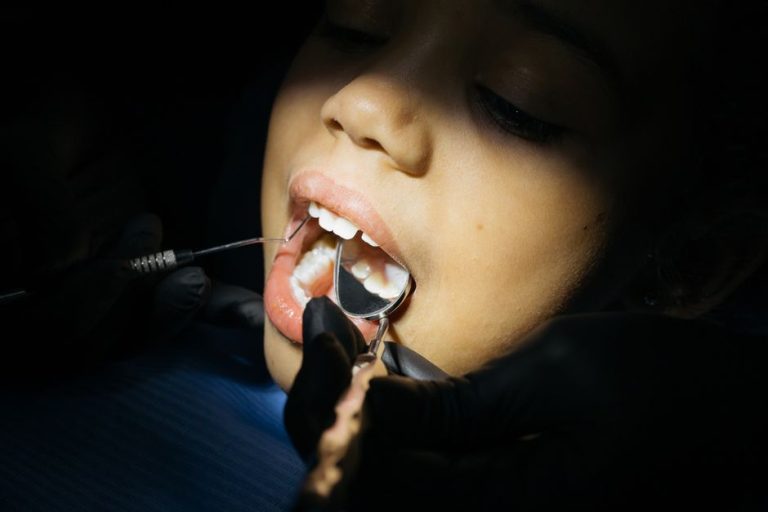
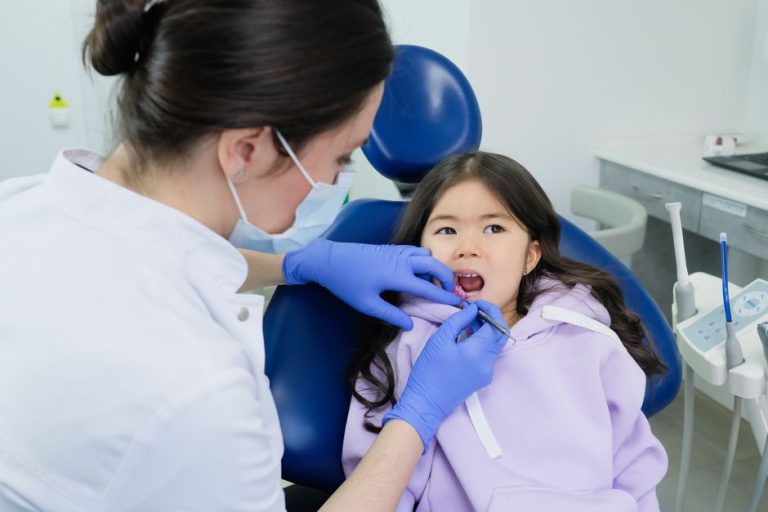
Dr. Sheryl George carefully evaluates lesion characteristics to rule out infection or underlying causes.
Early assessment prevents complications.
Prevention Strategies
While not all mouth ulcers are preventable, certain habits reduce risk:
- Encourage gentle brushing techniques
- Provide balanced nutrition
- Limit acidic and abrasive snacks
- Use child-friendly dental products
- Maintain regular dental visits
Routine checkups at Sunshine KiDDS Dentistry help monitor oral tissue health and identify patterns early.
Prevention is always preferable to treatment.
Q & A
No. Canker sores are not contagious. However, viral infections that cause mouth sores can be.
Most resolve within 7–10 days.
No. Irritating the sore can worsen inflammation and delay healing.
In some children, ingredients like sodium lauryl sulfate (SLS) may contribute to irritation.
Yes. Dr. Sheryl George evaluates persistent or recurrent mouth ulcers and coordinates care when necessary.
A Gentle Reminder for Parents
Mouth ulcers in children are usually small, temporary disruptions, not signs of serious illness.
But they can be uncomfortable. And as any parent knows, even small discomfort feels big to a child.
At Sunshine KiDDS Dentistry, Dr. Sheryl George and her team focus on more than treating teeth. They monitor overall oral health, including soft tissue conditions like mouth ulcers.
If your child frequently complains of mouth soreness, you don’t have to guess at the cause.
Sometimes the answer is simple, a cheek bite, a new toothpaste, a stressful week.
And sometimes clarity simply requires a careful look.
Healthy smiles include healthy soft tissues too. And early guidance makes all the difference.