
Small habits. Healthy teeth. A lifetime of better smiles.
Children don't automatically know how to take care of their teeth.
They learn by watching, practicing, asking questions, and—sometimes—being reminded for what feels like the hundredth time.
From getting a toddler to open their mouth for brushing to convincing an older child that flossing actually matters, keeping up with oral hygiene for kids can be a daily adventure.
The good news?
Healthy dental habits don't have to be complicated.
At Sunshine KiDDS Dentistry in Parkland, FL, we believe parents should have practical information they can use between dental visits. These kids dental health tips are designed to make everyday oral care easier to understand and easier to turn into a routine.

If you remember nothing else from this page, remember these five.
Regular brushing helps remove plaque and food particles from your child's teeth.
Flossing or another appropriate interdental cleaning method helps clean areas a toothbrush cannot reach effectively.
Frequent exposure to sugary foods and drinks can contribute to tooth decay. Choosing tooth-friendly snacks more often can support better oral health.
Professional dental visits allow your child's dentist to monitor oral health and developing teeth and identify concerns early.
The goal isn't perfection for one week.
It's building habits your child can carry into the teenage years and adulthood.

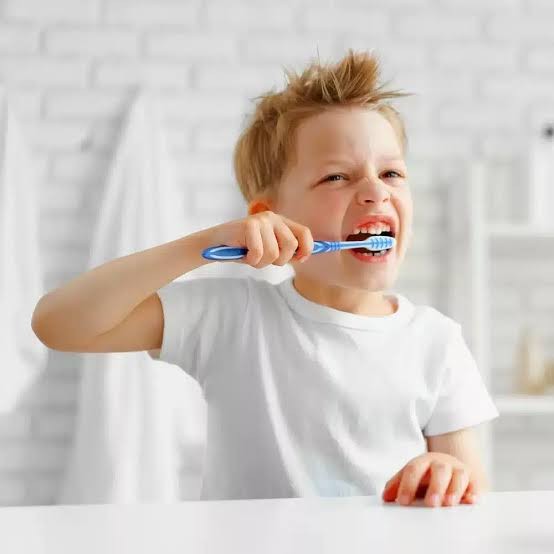
Getting children to brush their teeth can sometimes feel harder than it should.
They may rush.
They may only brush the front teeth.
They may decide two seconds is "long enough."
Younger children may not yet have the coordination to clean their teeth effectively without help.
That's why brushing teeth for children should be treated as something they learn progressively.
For most children, brushing twice a day is an important part of maintaining good oral hygiene.
A parent or caregiver may need to help or supervise younger children to make sure all tooth surfaces are cleaned properly.
As children grow, encourage them to take increasing responsibility while continuing to check their technique when needed.
Try connecting brushing to something your child already does every day:
A predictable sequence can make brushing feel less like a task you are constantly negotiating and more like a normal part of the day.

A toothbrush does an important job.
But it can't effectively clean every surface between teeth.
That's where flossing comes in.
For children with teeth that touch each other, cleaning between the teeth can be an important part of their oral hygiene routine.
Parents may need to help younger children because proper flossing requires coordination they may not yet have.
Try:
The best flossing method is one your child can perform correctly and consistently.

A cavity doesn't appear out of nowhere.
Oral bacteria interact with sugars and carbohydrates in the mouth, producing acids that can contribute to tooth decay over time.
That makes everyday habits important.
Keep twice-daily brushing part of the routine.
Don't overlook the spaces a toothbrush cannot reach.
It's not only the amount of sugar that matters. Frequent exposure can also increase the opportunities for acid attacks on teeth.
Water can be a simple everyday drink choice between meals.
Professional examinations help identify potential concerns before they become larger problems.
Your child's dentist can determine whether additional fluoride protection is appropriate based on their individual needs.

Dental health isn't about banning every treat.
Children should be able to enjoy food.
The goal is to create a balanced pattern where nutritious, tooth-friendly choices are a regular part of the day.
Some practical choices include:
Crunchy fruits and vegetables can also be convenient snack options, while cheese and other dairy foods can be useful additions to a balanced diet.
Instead of making every snack decision stressful, ask:
"Is this an everyday food or an occasional treat?"
That small distinction can help children understand that treats can be enjoyed without making them the foundation of their daily diet.
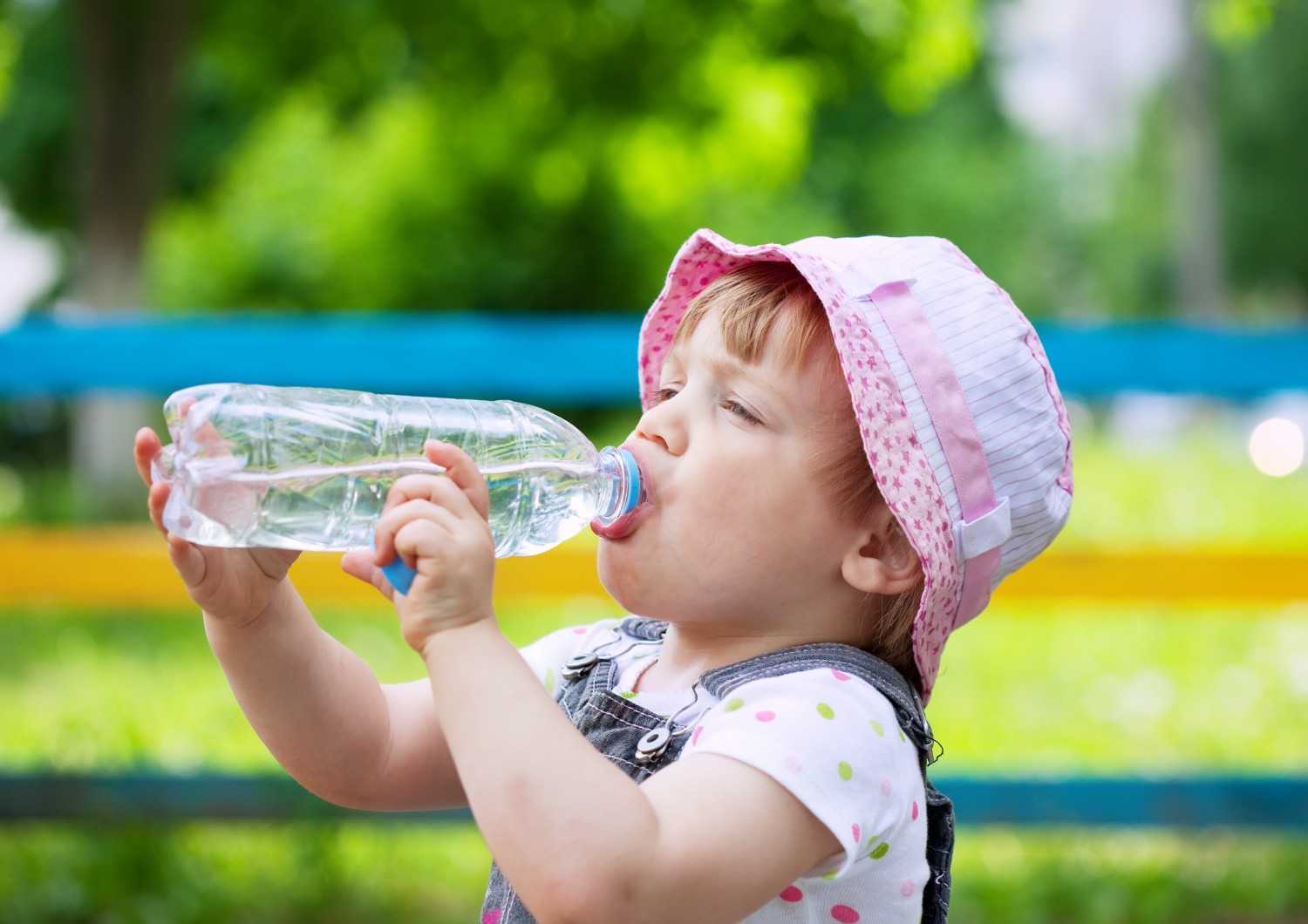
Parents often focus on candy when thinking about cavities.
But beverages deserve attention too.
Sugary drinks can expose teeth to sugars that contribute to tooth decay. Regularly offering water can be a simple way to reduce unnecessary sugar exposure during the day.
For younger children, parents should also pay attention to habits involving bottles and cups, particularly when children frequently sip sugary beverages.
Healthy habits become easier when the healthy choice is also the convenient choice.
As children get older, parents naturally want them to become more independent.
Dental care is no different.
But independence should develop gradually.
Help them brush and make the experience positive.
Let them take the lead while you supervise and check their technique.
Encourage responsibility while continuing to reinforce the importance of brushing, flossing, nutrition, and regular dental visits.
The goal is not for parents to brush forever.
The goal is to teach children how to care for their own smiles.
No pain doesn't always mean no dental problem.
Some dental issues may not cause obvious symptoms in their early stages.
That is one reason routine pediatric dental care matters even when your child seems perfectly comfortable.
A dental professional can look for concerns that aren't always visible to parents and monitor the way your child's teeth and jaws are developing.
Regular visits also give children an opportunity to become comfortable with dental care before an urgent problem occurs.
The oral-care routine that works for a toddler won't necessarily be the same routine that works for a teenager.
As children grow, their dental needs change too.
Learning what dental care feels like.
Developing independence and permanent teeth.
May need reminders about consistent brushing, flossing, food choices, and taking care of their teeth during busy schedules.
Some situations deserve more than a reminder to brush.
Contact your child's dental team if you notice:
If your child experiences a significant dental injury, severe swelling, or other urgent symptoms, seek professional dental guidance promptly.
When life gets busy, keep it simple.

You don't need a complicated system.
You need a routine your family can realistically maintain.
The most important dental lesson your child may learn doesn't happen in the dental chair.
It happens at home.
The toothbrush waiting beside the sink.
The glass of water instead of another sugary drink.
The parent helping with flossing.
The snack chosen from the lunchbox.
The reminder to brush before bed.
Those small moments may not seem significant on their own, but together they help create the habits that support your child's oral health as they grow.
At Sunshine KiDDS Dentistry, we want parents to feel confident about those everyday decisions and we want children to grow up seeing dental care as a normal part of staying healthy.
If you're unsure about your child's brushing technique, concerned about cavities, noticing changes in developing teeth, or simply want guidance about your child's oral health, we're here to help.
Call Sunshine KiDDS Dentistry to schedule your child's visit.
Sunshine KiDDS Dentistry, led by Dr. Sheryl George, provides pediatric dental care for infants, children, teens, and children with special healthcare needs.
Our Parkland office is conveniently located at 7533 N State Rd 7, Parkland, FL 33073, serving families throughout Parkland, Boca Raton, Coral Springs, Coconut Creek, and surrounding Broward County communities.
Healthy habits start early. Let's help your child's smile grow with them.
Dr. Sheryl George is a Diplomate of the American Board of Pediatric Dentistry. Her 2–3
years of additional pediatric residency training included extensive coursework and clinical rotations in treating children with special health care needs — covering behavioral guidance, adapted communication, medical complexity, and pediatric sedation.
This isn’t something she learned from a weekend seminar. It’s central to her practice and a reason many families travel from across Broward County specifically for her care.

Real words from real families who found their fit here.
What sets Sunshine KiDDS apart is the time Dr. George takes to connect with my daughter and make her feel comfortable and at ease. No matter how busy they are, she gives us her undivided attention and never rushes us.
Dr. George and her team have been an absolute blessing for our son who has autism. They take the time to explain every step, never rush him, and he actually looks forward to his appointments now. I never thought that would be possible.
If your child has been turned away or had a difficult experience at another dental office, you're not alone — and we hear that story often. Many of our most successful patient relationships started with a parent who was running out of options.

Children should generally brush their teeth twice a day. Younger children may need help or supervision from a parent or caregiver to ensure their teeth are cleaned thoroughly.
Flossing can begin when a child has teeth that touch each other. Because young children may not have the coordination to floss effectively, parents may need to help until the child can do it properly.
Nutritious options such as fresh fruits and vegetables, cheese, plain or low-sugar yogurt, and other age-appropriate foods can be included as part of a balanced diet. Limiting frequent sugary snacks and drinks can also support cavity prevention.
Consistent brushing, cleaning between teeth, sensible food and drink choices, fluoride when appropriate, and regular dental visits all contribute to cavity prevention for kids.
Create a predictable routine, let your child choose an age-appropriate toothbrush, use positive encouragement, and make brushing part of an established morning and bedtime routine. Younger children may need parents to brush for them or supervise closely.
A toothbrush cannot effectively clean every area between teeth. Cleaning between teeth helps remove plaque and food particles from areas that brushing alone may miss.
Not necessarily. A healthy approach is to make nutritious foods the everyday norm while keeping sugary treats occasional and avoiding frequent exposure to sugary foods and drinks.
Your child’s dental team can recommend an appropriate visit schedule based on their age, oral health, risk factors, and individual needs. Regular visits allow the dentist to monitor developing teeth and address concerns early.
A dental emergency can turn an ordinary day upside down. Your child is hurting. You're trying to stay calm. And you're searching for the right answer. That's where having a pediatric dental team you can call makes a difference.
Serving families in Parkland, Boca Raton, Coral Springs, Coconut Creek, and across Broward County.
Dr. Sheryl George is a pediatric dentist in Parkland, FL. serving infants, children, teens, and children with special health care needs. The office also serves the surrounding cities of Boca Raton, Coral Springs and Coconut Creek, FL 7533 North State Road 7, Parkland, FL 33073 | Ph: 754-203-3003
© 2025 Created with Echo5Digital