
Big Personality. Little Teeth. A Lot to Protect.
Toddlers have a way of making everything an adventure.
A toothbrush can suddenly become their least favorite object. Sitting still for two minutes can feel impossible. And asking them to open their mouth for a dentist? That may be a completely different challenge.
That’s why toddler dentistry requires more than simply looking at small teeth.
At Sunshine KiDDS Dentistry, we make dental care work with your toddler’s developing personality, communication skills, and comfort level. Our goal is to make each visit feel manageable for your child while giving you the practical guidance you need at home.
Whether you’re looking for a dentist for a 2 year old, preparing for your child’s first dental appointment, or dealing with daily brushing battles, we’re here to help.

Gentle pediatric dental care

Age-appropriate guidance

A calm environment for growing smiles
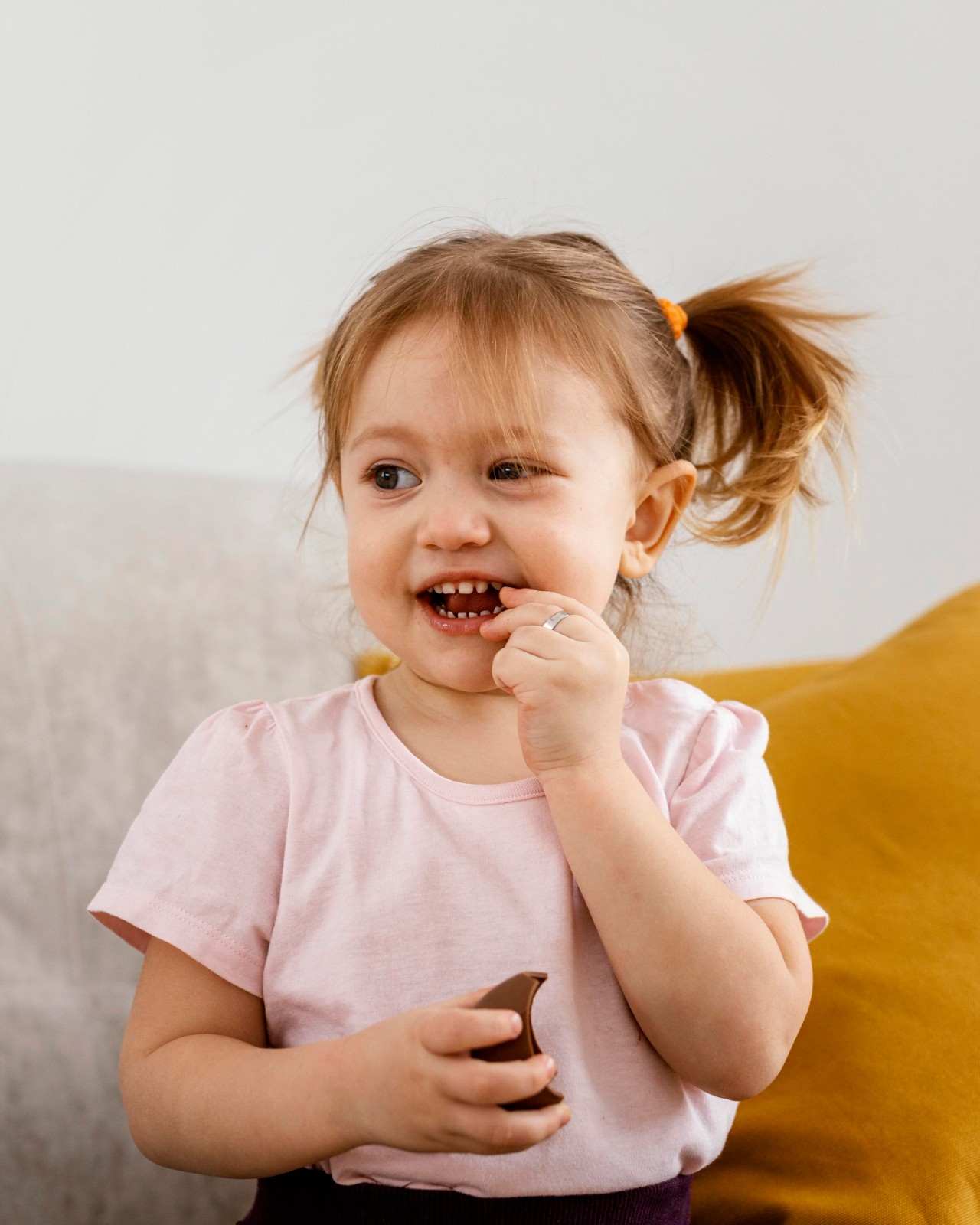
Infancy was about introducing oral care. The toddler years are about making it stick.
Your child is becoming more independent, developing preferences, testing boundaries, and learning to communicate. At the same time, their baby teeth are doing important work.
This is the stage when everyday habits can make a real difference.
Our job is to help you navigate these changes without turning every dental conversation into a struggle.
One of the most common concerns parents bring to a toddler dentist is resistance.
Your child may refuse to brush, refuse to sit still, or refuse to cooperate during a dental appointment.
That's normal toddler behavior—but it doesn't mean dental care should be put on hold.
When Your Toddler Refuses to Brush Their Teeth
Try changing the routine rather than turning brushing into a battle.
If your toddler is refusing to brush teeth, our pediatric dental team can also provide age-appropriate strategies during your visit.
Instead of waiting for a problem, think of these years as a series of small milestones.
Check that new teeth are developing normally and keep them clean every day.
As your toddler's diet expands, discuss foods and drinks that can affect cavity risk.
Build a twice-daily routine with parent assistance.
Talk with your pediatric dentist about pacifiers, thumb-sucking, and other habits that may affect developing teeth.
Regular visits help your child become familiar with the dental environment before an urgent problem forces an unfamiliar experience.
Together, these simple steps create a foundation for healthy toddler dental care.
Early dental problems aren't always obvious to parents.
One reason regular visits matter is that a pediatric dentist can look for changes that may be difficult to notice at home.
Signs Your Toddler May Have a Cavity
Keep an eye out for:
Not every discoloration or behavior means your toddler has a cavity.
If something looks unusual, however, it's better to have it evaluated than to wait for pain.

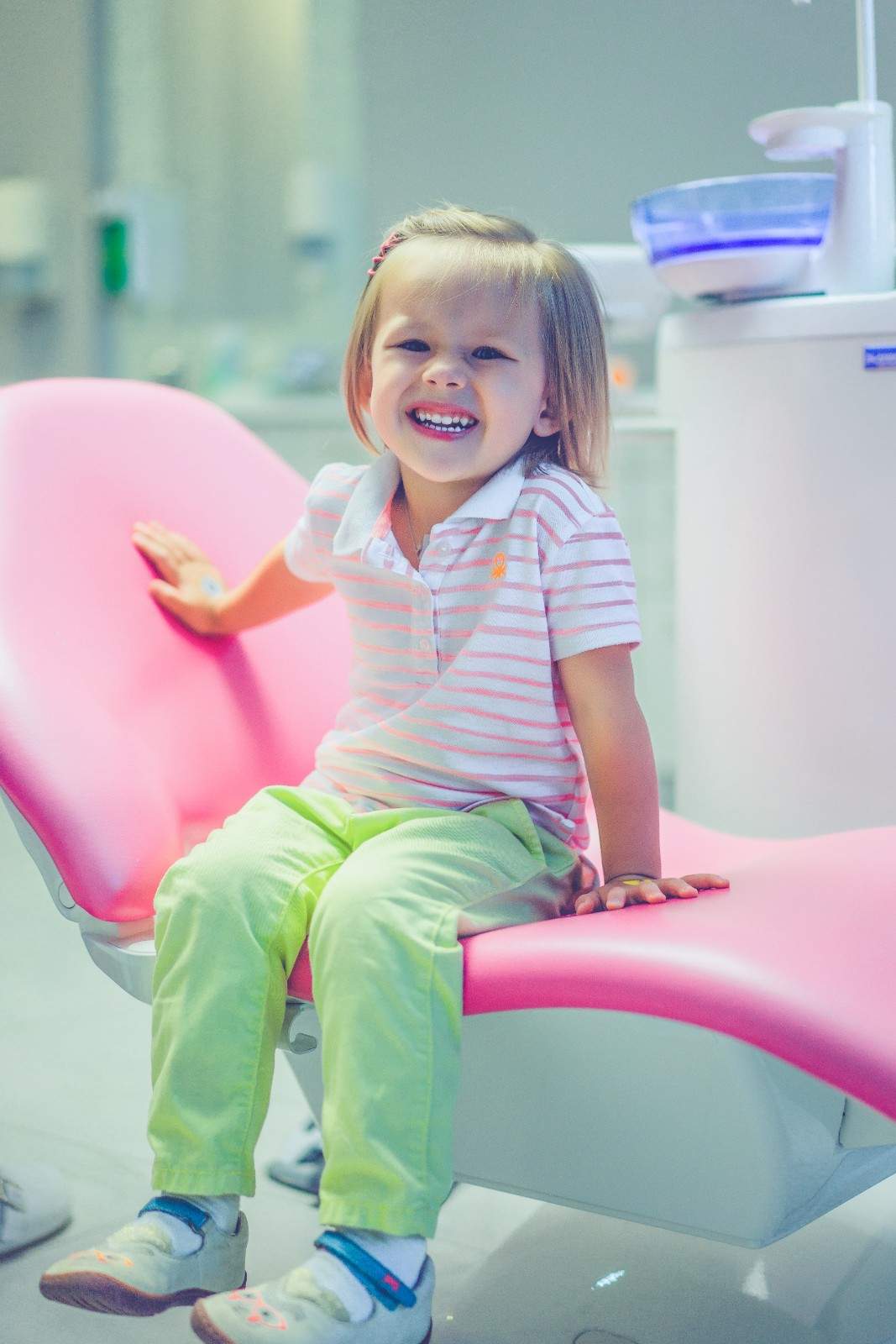
Cavities can develop in baby teeth, so prevention should start early.
A strong toddler cavity prevention routine includes more than brushing.
Help your child brush regularly using an age-appropriate toothbrush and toothpaste according to pediatric dental guidance.
Frequent exposure to sugary drinks can increase the risk of tooth decay. Talk with your pediatric dentist about healthier everyday choices for your child.
Toddlers may not understand why brushing matters yet. Parents still need to guide the routine.
Professional examinations allow the dental team to monitor changes and provide personalized preventive guidance.
If you're uncertain about your toddler's brushing, diet, teeth, or oral habits, bring the question to the dental visit.
Prevention becomes easier when parents have clear information.
Parents often search "what happens at a toddlers first dental visit" because they don't know what to expect.
The answer isn't one complicated procedure.
A toddler's appointment is designed around their age, comfort, cooperation, and dental needs.
We'll ask about your child's dental history, brushing routine, eating habits, oral habits, and anything you've noticed.
A new room, unfamiliar people, and new sounds can be a lot for a toddler.
We give your child an opportunity to become familiar with the environment rather than immediately expecting cooperation.
When your child is comfortable and the examination is appropriate, we'll gently evaluate their teeth, gums, bite, and overall oral development.
We'll explain what we're seeing and discuss practical next steps for brushing, nutrition, cavity prevention, oral habits, and future visits.
The goal isn't simply to complete an appointment.
It's to help your toddler learn that the dentist is a place where they can feel safe.

Pacifiers can be comforting during infancy, but many parents eventually wonder:
"When should a toddler stop using a pacifier?"
The answer can depend on your child's age, frequency of use, and developing teeth.
Continued sucking habits can affect the way the teeth and jaws develop, particularly when they persist as children get older.
Rather than suddenly turning the pacifier into a forbidden object, parents can work toward gradually reducing its use.
A pediatric dentist can assess your child's developing bite and help you decide how to approach the transition.
The same conversation can apply to thumb-sucking or other persistent oral habits.

A two-year-old may not understand why someone wants to look inside their mouth.
They may be curious one minute and resistant the next.
That's why pediatric dental care considers the whole child, not just the teeth.
At Sunshine KiDDS Dentistry, we focus on:
Simple explanations can be easier for toddlers to understand.
Some children need additional time to become comfortable.
Early visits can help establish familiarity with dental care.
You know your toddler best, and your observations are an important part of their care.
The earlier healthy routines are established, the easier they can become as your child grows.

Your toddler doesn't have to love brushing or dental appointments immediately.
They're learning.
Our role as a pediatric dentist for toddlers is to make that learning process as positive and comfortable as possible.
And your role isn't to make every dental moment perfect.
It's simply to keep showing up, keep practicing, and ask for help when you need it.
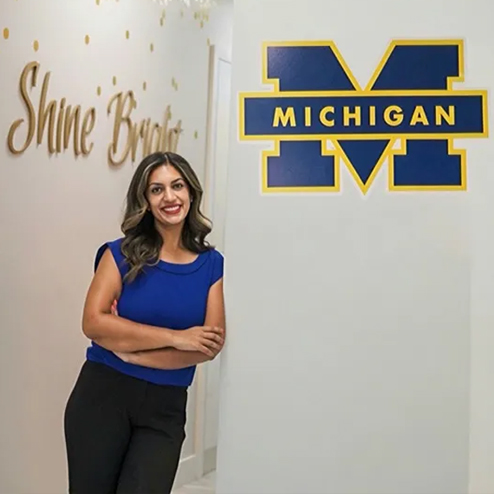
Dr. Sheryl George is a Diplomate of the American Board of Pediatric Dentistry. Her 2–3
years of additional pediatric residency training included extensive coursework and clinical rotations in treating children with special health care needs — covering behavioral guidance, adapted communication, medical complexity, and pediatric sedation.
This isn’t something she learned from a weekend seminar. It’s central to her practice and a reason many families travel from across Broward County specifically for her care.

Real words from real families who found their fit here.
What sets Sunshine KiDDS apart is the time Dr. George takes to connect with my daughter and make her feel comfortable and at ease. No matter how busy they are, she gives us her undivided attention and never rushes us.
Dr. George and her team have been an absolute blessing for our son who has autism. They take the time to explain every step, never rush him, and he actually looks forward to his appointments now. I never thought that would be possible.
If your child has been turned away or had a difficult experience at another dental office, you're not alone — and we hear that story often. Many of our most successful patient relationships started with a parent who was running out of options.

Children should begin dental care early rather than waiting until they have a dental problem. If your toddler has not yet had a dental visit, schedule an appointment so their developing teeth can be evaluated and you can receive personalized guidance.
The first visit typically focuses on getting to know your child, discussing their oral habits and dental history, gently examining the mouth when appropriate, and helping parents understand preventive care.
Look for a pediatric dentist experienced in caring for young children. A pediatric-focused practice can adapt communication, examination techniques, and the environment to your toddler’s developmental stage.
Consistent brushing, healthy everyday habits, appropriate use of fluoride, limiting frequent sugary exposures, and regular pediatric dental visits can all support cavity prevention. Your child’s dentist can recommend a routine based on their individual needs.
Possible signs include visible spots or holes, tooth sensitivity, discomfort while eating, changes in chewing, or swelling. Some cavities cause no obvious symptoms, which is another reason regular dental examinations are important.
Keep brushing consistent and try offering limited choices, brushing together, and using positive reinforcement. Your pediatric dentist can also suggest strategies that are appropriate for your child’s age and temperament.
It’s generally helpful to begin moving away from pacifier use as children get older. Because prolonged sucking habits can affect developing teeth and bite, discuss your child’s pacifier use with a pediatric dentist for individualized guidance.
Yes. Adentist for a 3-year-old can monitor developing teeth, assess oral habits, provide cavity-prevention guidance, and help your child become increasingly comfortable with dental care.
The toddler years can be messy, unpredictable, funny, and full of "no." Dental care doesn't have to become another daily battle. With the right guidance and a pediatric dental team that understands young children, you can help your toddler build habits that become easier with time and give their developing smile the care it deserves.
Serving families in Parkland, Boca Raton, Coral Springs, Coconut Creek, and across Broward County.
Dr. Sheryl George is a pediatric dentist in Parkland, FL. serving infants, children, teens, and children with special health care needs. The office also serves the surrounding cities of Boca Raton, Coral Springs and Coconut Creek, FL 7533 North State Road 7, Parkland, FL 33073 | Ph: 754-203-3003
© 2025 Created with Echo5Digital