

Tiny Teeth Deserve a Healthy Start

Gentle care for growing smiles

Pediatric-focused dental care

Parent education at every visit
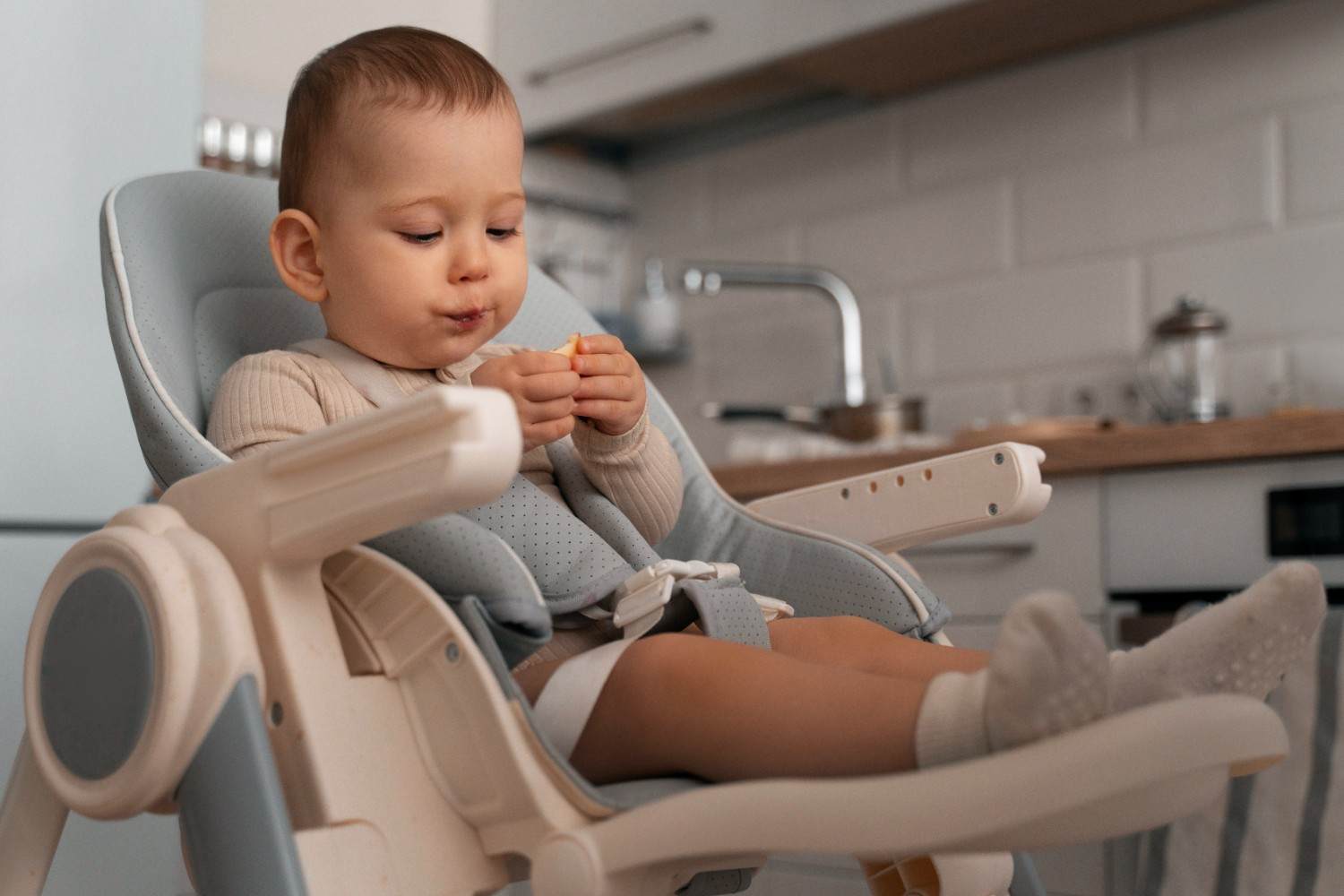
Many parents assume they should wait until their child has several teeth before visiting the dentist.
In reality, an early dental visit gives parents an opportunity to learn how to care for their child's developing smile before small concerns become bigger ones.
A first visit is not about putting your baby through a complicated dental procedure. It's about creating a positive beginning, checking the development of the mouth and teeth, and giving parents practical guidance for everyday care.
Early Tooth Development
Feeding & Oral Habits
Teething Concerns
Cleaning Gums & Teeth
Brushing Techniques
Fluoride & Cavity Prevention
Pacifier & Thumb-Sucking Habits
What to Expect as the Smile Develops
If you're wondering when your baby should first see a pediatric dentist, we're happy to help you understand what's appropriate for your child's age and individual needs.
Your baby's mouth needs attention even before that first little tooth appears.

Before teeth erupt, gently cleaning your baby's gums can become part of their daily routine.
Use a clean, soft, damp cloth or an appropriate infant oral-care tool to gently wipe the gums. This helps keep the mouth clean while also getting your baby accustomed to having their mouth cared for.
It can also make the transition to toothbrushing easier later.
Once your baby's first tooth appears, it's time to introduce a soft infant toothbrush.
Use gentle movements and make brushing part of your child's regular morning and bedtime routine. At this stage, you're doing more than cleaning one tiny tooth—you're establishing a habit that can support your child's oral health for years to come.

Baby teeth play an important role in your child's early development.
They help children chew food, support speech development, and maintain space for permanent teeth that will eventually come in.
That's why baby teeth care deserves attention from the beginning.
Even though these teeth are temporary, they can still develop cavities. Early tooth decay can cause discomfort and may interfere with eating, sleeping, and your child's overall comfort.
Good oral care during infancy can help parents identify potential concerns early and build healthy habits before problems develop.
Brushing a baby's teeth doesn't always go smoothly. Some babies turn their heads, close their mouths, grab the toothbrush, or simply decide they would rather do anything else. A few simple strategies can help:
Brush around the same times every day so your baby knows what to expect.
Use a soft toothbrush designed for infants and gentle movements.
Allowing your child to hold or explore a second toothbrush can make the experience feel less unfamiliar.
A calm voice and encouraging attitude can make brushing easier.
As young children begin wanting independence, they may want to brush themselves. Continue helping them until they have the coordination needed to brush effectively on their own.
If you're unsure how to brush baby teeth, our pediatric dental team can demonstrate age-appropriate techniques during your child's visit.
Teething can be an exciting milestone, but it can also make babies uncomfortable.
Parents may notice increased drooling, chewing, gum sensitivity, fussiness, or changes in sleep around the time teeth begin to erupt.
It can be difficult to know whether a symptom is simply related to teething or whether something else may be happening.
A baby teething dentist can help you understand what you're seeing and determine whether your child's mouth should be checked.
At Sunshine KiDDS Dentistry, we can also answer questions about:

Babies aren't simply small adults. Their mouths, teeth, communication, and behavior are constantly developing.
A pediatric dentist for infants understands these early stages and can tailor the dental experience accordingly.
At Sunshine KiDDS Dentistry, our approach focuses on:
We adapt the visit to your baby's developmental stage and comfort.
You leave with practical information you can actually use at home.
We focus on identifying potential concerns and helping families establish healthy routines.
Your baby's first dental experiences can influence how they feel about dental care as they grow.
As your child grows from infancy into toddlerhood and beyond, we'll help you understand the changing needs of their smile.
Your baby's first appointment should feel like an introduction—not an overwhelming dental experience.

Before focusing on the teeth, we want to understand your baby and your concerns.
We'll talk with you about your child's health, development, feeding, oral habits, and anything you've noticed.
When appropriate for your child's age and comfort, we'll examine the mouth and developing teeth.
The goal is to make the experience as calm and positive as possible.
Parents often have more questions than they realize until they sit down with a pediatric dentist.
We'll discuss brushing, teething, nutrition, fluoride, oral habits, and other areas of infant oral care that apply to your child.
Every baby develops differently.
We'll explain what we're seeing and recommend the appropriate next steps for maintaining your child's healthy smile.
Use this as a simple reminder between dental visits:
Gently clean your baby's gums before teeth appear.
Begin brushing when the first tooth erupts.
Use an age-appropriate, soft toothbrush.
Make brushing part of your baby's daily routine.
Pay attention to changes in your baby's mouth.
Ask your pediatric dentist about fluoride and other preventive care.
Schedule your child's first dental visit early.
Don't wait for a dental problem before seeking guidance.


A child's relationship with dental care begins long before they understand what a dental appointment is.
That first visit can be an opportunity to build familiarity, confidence, and trust.
At Sunshine KiDDS Dentistry, we want parents to feel comfortable asking questions and children to feel safe exploring a new environment. From your baby's first visit onward, our goal is to make dental care a natural part of growing up.
Early oral care isn't about doing everything perfectly.
It's about starting with the right habits, getting reliable guidance, and giving your child's developing smile the attention it deserves.
Dr. Sheryl George is a Diplomate of the American Board of Pediatric Dentistry. Her 2–3
years of additional pediatric residency training included extensive coursework and clinical rotations in treating children with special health care needs — covering behavioral guidance, adapted communication, medical complexity, and pediatric sedation.
This isn’t something she learned from a weekend seminar. It’s central to her practice and a reason many families travel from across Broward County specifically for her care.

Real words from real families who found their fit here.
What sets Sunshine KiDDS apart is the time Dr. George takes to connect with my daughter and make her feel comfortable and at ease. No matter how busy they are, she gives us her undivided attention and never rushes us.
Dr. George and her team have been an absolute blessing for our son who has autism. They take the time to explain every step, never rush him, and he actually looks forward to his appointments now. I never thought that would be possible.
If your child has been turned away or had a difficult experience at another dental office, you're not alone — and we hear that story often. Many of our most successful patient relationships started with a parent who was running out of options.

An early dental visit allows the pediatric dentist to evaluate your baby’s developing mouth and provide guidance on cleaning, brushing, feeding, teething, fluoride, and cavity prevention. If you’re unsure when to schedule your baby’s first appointment, our team can help you determine the appropriate timing.
Yes. Even before children have many teeth, dental visits can help parents learn proper oral-care habits and allow the dentist to monitor early development and identify potential concerns.
Before teeth appear, gently wipe your baby’s gums with a clean, soft, damp cloth or an appropriate infant oral-care tool. Your pediatric dentist can show you a comfortable technique during your baby’s visit.
Once your baby’s first tooth appears, use a soft infant toothbrush and brush gently. Your pediatric dentist can recommend the appropriate brushing technique and toothpaste use based on your child’s age and individual needs.
Oral care should begin before the first tooth appears by keeping the gums clean. Once the first tooth erupts, regular brushing should become part of your baby’s daily routine.
Yes. A pediatric dentist can help parents understand common teething symptoms, discuss appropriate comfort measures, and determine whether symptoms may indicate another concern.
Pediatric dentists receive specialized training in caring for children’s developing teeth, mouths, and unique behavioral needs. They can provide age-appropriate preventive care while helping parents establish healthy oral-care routines.
The first appointment generally focuses on getting to know your child, discussing their health and oral habits, gently evaluating their mouth when appropriate, answering parent questions, and creating a plan for ongoing dental care.
Your baby's first dental experiences can become the beginning of a lifetime of healthy habits.
Whether you're preparing for your child's first tooth, dealing with teething, or simply wondering whether you're doing enough at home, you don't have to navigate early dental care alone.
Serving families in Parkland, Boca Raton, Coral Springs, Coconut Creek, and across Broward County.
Dr. Sheryl George is a pediatric dentist in Parkland, FL. serving infants, children, teens, and children with special health care needs. The office also serves the surrounding cities of Boca Raton, Coral Springs and Coconut Creek, FL 7533 North State Road 7, Parkland, FL 33073 | Ph: 754-203-3003
© 2025 Created with Echo5Digital