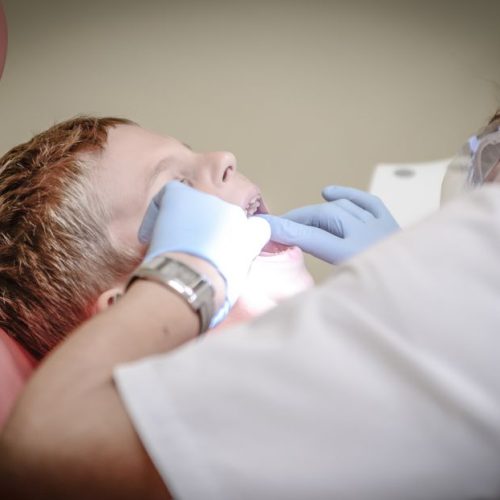
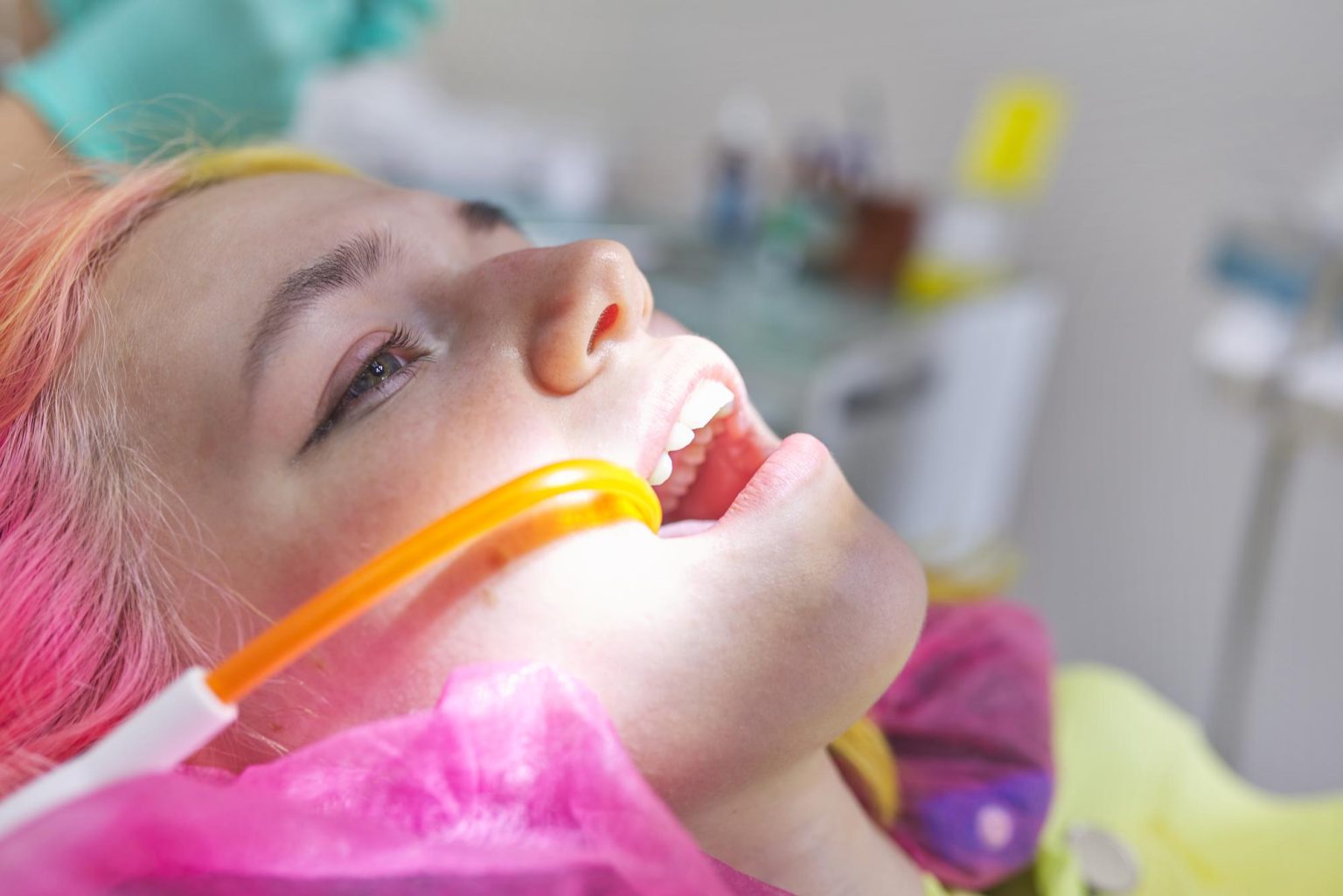
If your pediatric dentist has suggested fluoride treatment for kids, you might be wondering what it actually does and whether your child really needs it. It’s a fair question, and one that parents in Parkland, Coral Springs, and Boca Raton ask us regularly.
Fluoride is one of the most studied and well-supported tools in children’s dentistry. It strengthens developing teeth, helps reverse early signs of decay, and creates a protective barrier that keeps cavities from forming in the first place.
At Sunshine KiDDS Dentistry, we believe parents deserve clear, honest information so they can make confident decisions about their child’s oral health. Here’s what you should know about fluoride, how it works, and why dentists continue to recommend it for children of all ages.
What Fluoride Actually Does for Your Child’s Teeth
Fluoride is a naturally occurring mineral found in water, soil, and certain foods. When applied to teeth, it strengthens the outer enamel layer, making it more resistant to the acid that causes cavities.
Children’s teeth are especially vulnerable to decay because their enamel is thinner and still maturing. Fluoride helps in two key ways:
- Remineralization: It replaces minerals lost from enamel when acid-producing bacteria attack the tooth surface.
- Cavity prevention: It makes the enamel harder and more resistant to future acid attacks.
This is why fluoride and baby teeth cavity prevention go hand in hand. Even though baby teeth eventually fall out, keeping them healthy is critical for proper speech development, chewing, and guiding permanent teeth into the right position.
Fluoride Treatment for Kids: What Happens During a Visit
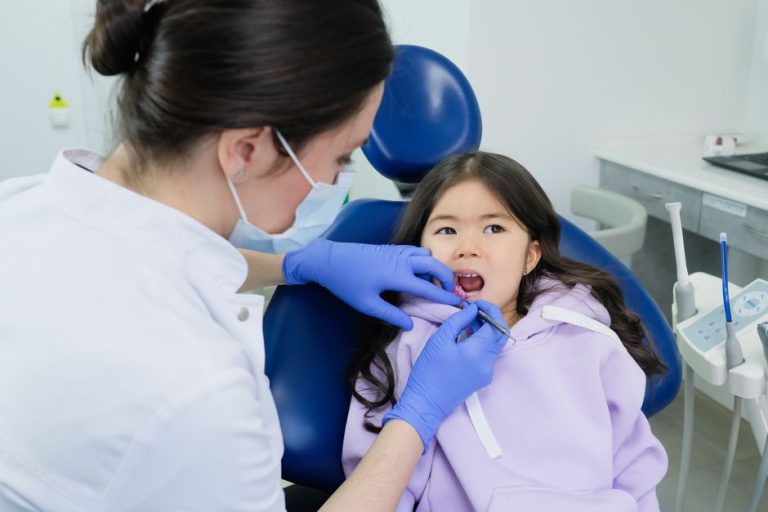
A professional fluoride application at the dentist’s office is quick, painless, and takes just a few minutes. Your child won’t need any shots or drilling.
The most common method is fluoride varnish for children. It’s a concentrated formula that your dentist or hygienist paints directly onto the teeth with a small brush. The varnish sticks to the enamel and hardens on contact with saliva, so there’s no mess and very little taste.
Some offices also use fluoride gel for kids’ teeth, which is applied using a tray that fits over the upper and lower teeth. Both methods deliver a much higher concentration of fluoride than what your child gets from toothpaste or drinking water alone.
After the treatment, your child can eat and drink normally, though we typically recommend avoiding hot or crunchy foods for a few hours to let the varnish fully absorb.
How Often Should Children Get Fluoride Treatments?
The ADA fluoride recommendations for kids suggest professional fluoride treatments every three to six months, depending on your child’s individual risk for cavities. Children who are more prone to decay, whether due to diet, oral hygiene habits, or enamel development, may benefit from more frequent applications.
Your pediatric dentist will assess your child’s specific needs and recommend a schedule that makes sense. Factors that might increase treatment frequency include:
- A history of cavities or early signs of demineralization
- Crowded teeth that are harder to brush thoroughly
- Braces or other orthodontic appliances
- A diet higher in sugars or acidic foods
For most children, fluoride treatments align with their regular six-month checkups, making it easy to stay on track without extra appointments.
Is Fluoride Safe for My Child?
This is the question we hear most often, and the answer is yes, when used appropriately. Fluoride has been endorsed by the American Dental Association, the American Academy of Pediatrics, and the World Health Organization as a safe and effective way to prevent tooth decay in children.
The key is proper fluoride dosage by age for children. Your dentist tailors the amount based on your child’s age, weight, and overall cavity risk. Professional treatments use controlled doses that are applied directly to the teeth, meaning very little is swallowed.
Fluoride side effects in children are rare and almost always related to excessive long-term ingestion, not professional treatments. The most common concern is dental fluorosis, which causes faint white spots on permanent teeth. This only happens when young children regularly swallow too much fluoride over time, usually from swallowing toothpaste. That’s why supervising brushing and using only a pea-sized amount of fluoride toothpaste for toddlers is so important.
Systemic Fluoride vs. Topical Fluoride: What’s the Difference?
Fluoride works in two ways, and understanding the difference helps parents see why both matter.
Topical fluoride is applied directly to the surface of the teeth. This includes fluoride varnish, gels, fluoride mouth rinse for kids, and fluoride toothpaste. The topical fluoride benefits for children are immediate. It strengthens existing enamel and helps repair early decay before a cavity forms.
Systemic fluoride is ingested through fluoridated drinking water, certain foods, or prescribed supplements. It becomes incorporated into developing teeth beneath the gums, making them stronger before they even erupt.
School water fluoridation effects on kids have been well documented. Communities with fluoridated water see significantly fewer cavities in children compared to areas without it. Your dentist may recommend fluoride supplements if your local water supply is not fluoridated or if your family primarily drinks bottled or filtered water.
Fluoride Treatment for Kids vs. Dental Sealants
Parents sometimes ask about the difference between fluoride varnish and sealants, and whether their child needs both. The short answer is that they serve different purposes and work best together.
Fluoride strengthens the enamel on all tooth surfaces, making them more resistant to decay. Dental sealants are thin protective coatings applied to the chewing surfaces of the back molars, where deep grooves tend to trap food and bacteria.
Think of fluoride as a shield for the entire tooth and sealants as extra armor for the areas most likely to develop cavities. Your pediatric dentist can recommend the right combination based on your child’s specific oral health needs.
What Parents Can Do at Home Between Visits
Professional fluoride treatments are powerful, but daily habits at home play an equally important role in keeping your child’s teeth strong and healthy.
Here are a few practical tips:
- Use a rice-grain-sized smear of fluoride toothpaste for children under three, and a pea-sized amount for children three and older.
- Supervise brushing until your child is around seven or eight and can do a thorough job on their own.
- Encourage drinking tap water if your community has fluoridated water.
- Limit sugary snacks and drinks, especially between meals.
- Ask your dentist about fluoride mouth rinse for kids if your child is old enough to swish and spit without swallowing.
Building these habits early sets your child up for a lifetime of healthier teeth and fewer dental problems.
Fluoride treatment for kids is one of the simplest, most effective steps you can take to protect your child’s smile. It strengthens enamel, prevents cavities, and supports healthy dental development from infancy through the teen years.
At Sunshine KiDDS Dentistry, we take the time to explain every treatment so you feel comfortable and informed. Whether your child is due for their first fluoride varnish or you have questions about the right fluoride routine for your family, our team is here to help.
If you’re in the Parkland, Coral Springs, or Boca Raton area, schedule a visit and let’s keep those little smiles strong and cavity-free.
Frequently Asked Questions
Is fluoride treatment safe for my child?
Yes, fluoride treatments are safe for children when applied in the appropriate doses recommended by your pediatric dentist.
How often should children get fluoride treatments?
Most children benefit from professional fluoride treatments every three to six months, typically during their regular dental checkups.
At what age should kids start getting fluoride treatments?
Children can begin receiving fluoride varnish as soon as their first tooth appears, which is usually around six months of age.
What is the difference between fluoride varnish and dental sealants?
Fluoride varnish strengthens enamel on all tooth surfaces, while sealants are protective coatings placed specifically on the chewing surfaces of back molars.
Can too much fluoride harm my child’s teeth?
Excessive fluoride ingestion over time can cause mild dental fluorosis, which is why proper dosage and supervised brushing are important.