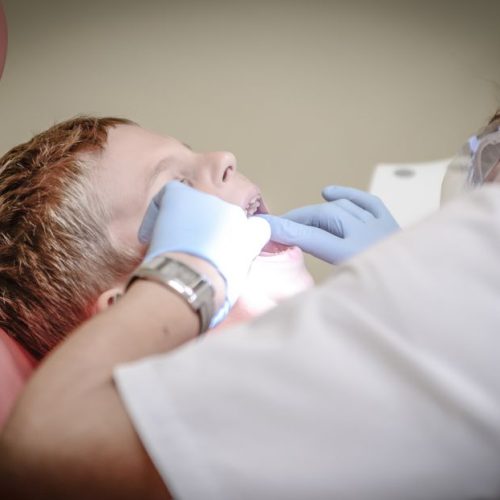
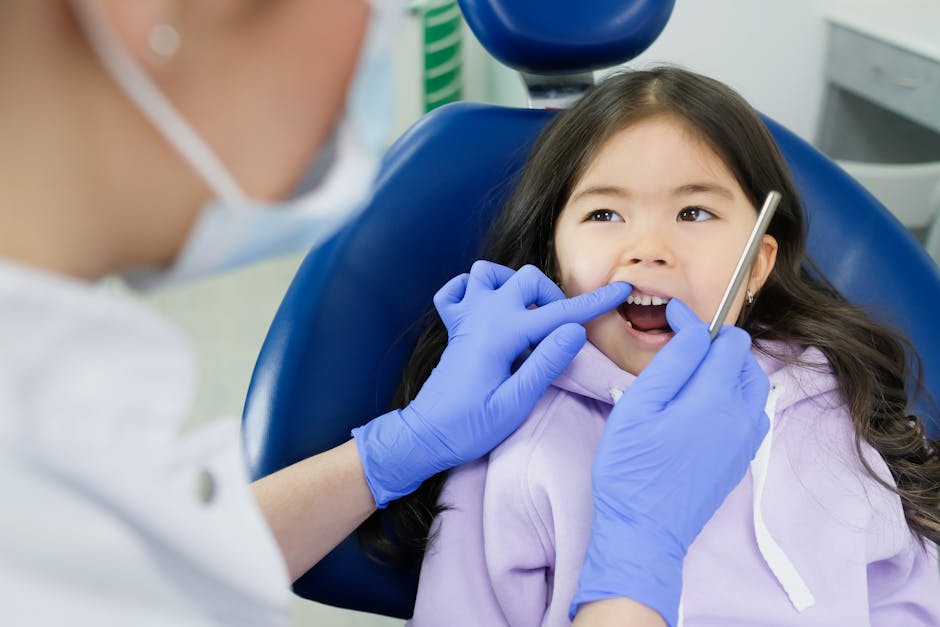
Watching your child feel anxious or scared about a dental visit is never easy. Some kids cry before they even sit in the chair, while others refuse to open their mouths entirely. If your child struggles with dental anxiety, you’ve probably wondered whether sedation dentistry for kids is a safe and reasonable option.
The short answer is yes. Pediatric dental sedation is widely used, well-studied, and considered safe when administered by a trained pediatric dentist following established protocols. But as a parent, you deserve more than a short answer. You need to understand the types of sedation available, the safety measures involved, and what to expect before and after your child’s appointment.
At Sunshine KiDDS Dentistry, we believe every child deserves a positive dental experience. That starts with giving parents the information they need to make confident decisions about their child’s care.
Why Some Children Need Sedation at the Dentist
Not every child needs sedation, but for some, it makes a real difference. Children who experience intense fear, have sensory sensitivities, or need extensive dental work may benefit from some level of sedation. Very young children who can’t sit still for long procedures are also common candidates.
Managing child dental anxiety with sedation isn’t about taking shortcuts. It’s about keeping your child comfortable, reducing the risk of injury from sudden movement, and allowing the dentist to work safely and efficiently. When a child is calm and cooperative, the quality of treatment improves significantly.
Common Reasons Pediatric Dentists Recommend Sedation
- ● Severe dental anxiety or phobia that doesn’t respond to behavioral techniques
- Multiple cavities or complex procedures that require extended time in the chair
- Special healthcare needs that make cooperation difficult
- A strong gag reflex that interferes with treatment
- Previous traumatic dental experiences
A qualified pediatric dentist will always explore alternatives to sedation for anxious children at the dentist first. Sedation is recommended only when the benefits clearly outweigh any risks.
Types of Sedation Dentistry for Kids
There are several sedation options for anxious kids at the dentist, and the right choice depends on your child’s age, health history, level of anxiety, and the procedure being performed. Here’s a breakdown of the most common sedation techniques used by pediatric dentists.
Nitrous Oxide (Laughing Gas)
Nitrous oxide for kids dental procedures is the mildest and most frequently used form of sedation. Your child breathes in a mixture of nitrous oxide and oxygen through a small mask placed over their nose. They stay awake and responsive but feel relaxed and less aware of discomfort.
The effects wear off within minutes after the mask is removed, and most children can return to normal activities right away. This option works well for mild to moderate anxiety and shorter procedures.
Oral Conscious Sedation
Oral conscious sedation for children involves giving your child a prescribed medication before the appointment. The medication makes them drowsy and relaxed, though they remain semi-conscious and can still respond to verbal cues.
This is often used for children with moderate anxiety or those undergoing longer treatments. Your pediatric dentist will provide specific pre-sedation instructions for children’s dental appointments, including guidelines about fasting and medication timing.
IV Sedation and General Anesthesia
IV sedation for pediatric dentistry and general anesthesia for dental treatment in children are reserved for more complex situations. These options are typically used when a child needs significant dental work, has severe anxiety, or has medical conditions that make other sedation methods less effective.
General anesthesia is administered by a trained anesthesiologist, and your child will be completely asleep throughout the procedure. While this sounds intimidating, it is performed under strict sedation protocols for children undergoing dental work, with continuous monitoring of heart rate, oxygen levels, and breathing.
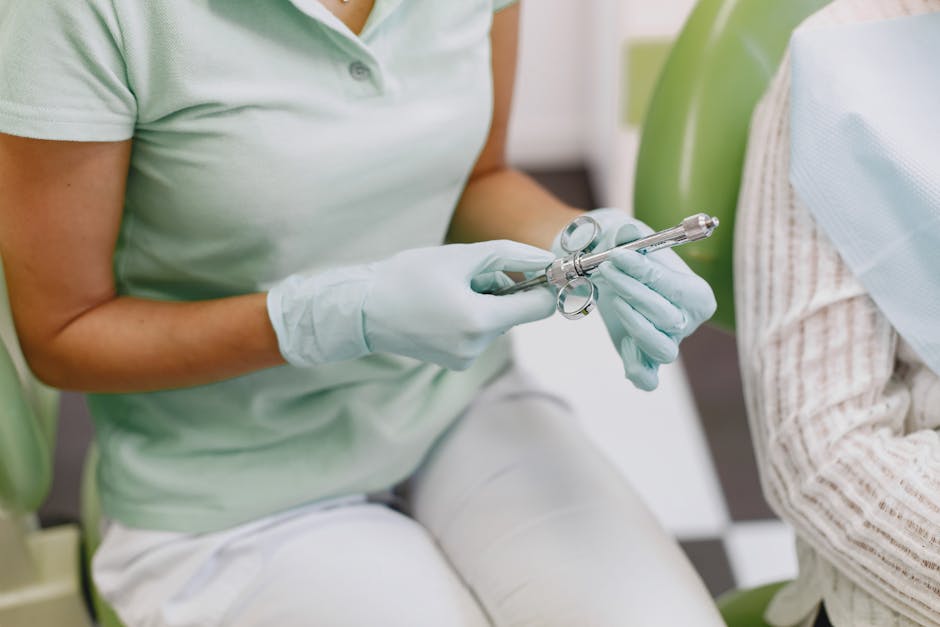
Is Sedation Dentistry Safe for Children?
Yes, dental sedation safety for children is well established. The American Academy of Pediatric Dentistry (AAPD) has clear guidelines for the use of sedation in dental settings, and trained pediatric dentists follow these protocols carefully.
Safety depends on several factors, including proper patient screening, appropriate dosing, continuous monitoring during the procedure, and trained staff prepared to handle any complications. When these standards are met, sedation dentistry risks for children are very low.
What Safety Measures Should Be in Place
Before any sedation is administered, your child’s medical history, current medications, allergies, and weight are all reviewed. During the procedure, trained team members monitor vital signs continuously.
Key safety measures include:
- A thorough health evaluation before sedation
- Age-appropriate and weight-based dosing
- Continuous pulse oximetry and heart rate monitoring
- Emergency equipment and medications readily available
- Staff trained in pediatric advanced life support
At Sunshine KiDDS Dentistry, your child’s safety is the top priority. Our team follows every recommended protocol to ensure a secure and comfortable experience.
What to Expect Before and After Your Child’s Sedation Appointment
Knowing what to expect helps reduce stress for both you and your child. Here’s a general overview of what happens before and after sedation.
Before the Appointment
Your dentist will provide detailed pre-sedation instructions for children’s dental appointments. These typically include:
- Fasting guidelines (no food or drink for a specific number of hours before sedation)
- Information about which medications to give or withhold
- Instructions on what your child should wear (comfortable, loose clothing)
- Parental consent for pediatric dental sedation, which includes a review of risks and benefits
Follow these instructions closely. They exist to minimize risks and help the sedation work as intended.
After the Appointment
Recovery after dental sedation in kids varies depending on the type of sedation used. With nitrous oxide, children typically feel normal within minutes. Oral sedation may leave them groggy for a few hours, and general anesthesia requires a longer recovery window.
Post-sedation care for pediatric dental patients usually includes:
- Monitoring your child closely for the rest of the day
- Offering clear liquids first, then soft foods as tolerated
- Keeping them from physical activity until fully alert
- Watching for any unusual symptoms and contacting the dental office if concerns arise
How to Choose a Safe Sedation Dentist for Kids
Not all dental offices offer pediatric sedation, and not all providers have the same level of training. When looking for a safe sedation dentist for kids, there are a few things to consider.
Look for a board-certified pediatric dentist with specific training in sedation techniques. Ask about the monitoring equipment they use, the qualifications of their support staff, and what emergency protocols they have in place. A trustworthy practice will welcome your questions and walk you through everything before the appointment.
Sunshine KiDDS Dentistry serves families in Parkland, Coral Springs, Boca Raton, and surrounding South Florida communities. Our pediatric dentist sedation services are designed with your child’s comfort and safety at the center of every decision. We take the time to explain every option so you feel confident moving forward.
The Cost of Sedation Dentistry for Kids
The cost of sedation dentistry for kids depends on the type of sedation used, the length of the procedure, and your dental insurance coverage. Nitrous oxide is generally the most affordable option, while IV sedation and general anesthesia carry higher costs due to the additional equipment and personnel required.
Many dental insurance plans cover sedation when it’s deemed medically necessary, especially for young children or patients with special needs. Our team at Sunshine KiDDS Dentistry can help you understand your insurance benefits and discuss payment options before your child’s appointment.
Sedation dentistry for kids is a safe, effective tool for helping children receive the dental care they need without fear or discomfort. Whether your child benefits from a simple dose of nitrous oxide or requires a deeper level of sedation, the key is choosing a qualified pediatric dentist who follows proven safety protocols and genuinely cares about your child’s well-being.
At Sunshine KiDDS Dentistry, we’re here to support your family through every step of the process. From answering your questions about child dental anxiety treatment to providing gentle, expert care in the chair, our goal is to make dental visits a positive experience for every child.
If your child struggles with dental anxiety and you’d like to learn more about our sedation options, reach out to Sunshine KiDDS Dentistry to schedule a consultation. We proudly serve families across Parkland, Coral Springs, Boca Raton, and the greater South Florida area.
Frequently Asked Questions
Is sedation dentistry safe for children?
Yes, pediatric dental sedation is considered safe when administered by a trained pediatric dentist who follows established monitoring and dosing protocols.
What type of sedation is most commonly used for kids at the dentist?
Nitrous oxide, also known as laughing gas, is the most commonly used and mildest form of sedation for children’s dental procedures.
How long does it take for a child to recover after dental sedation?
Recovery time varies by sedation type, ranging from a few minutes with nitrous oxide to several hours with oral sedation or general anesthesia.