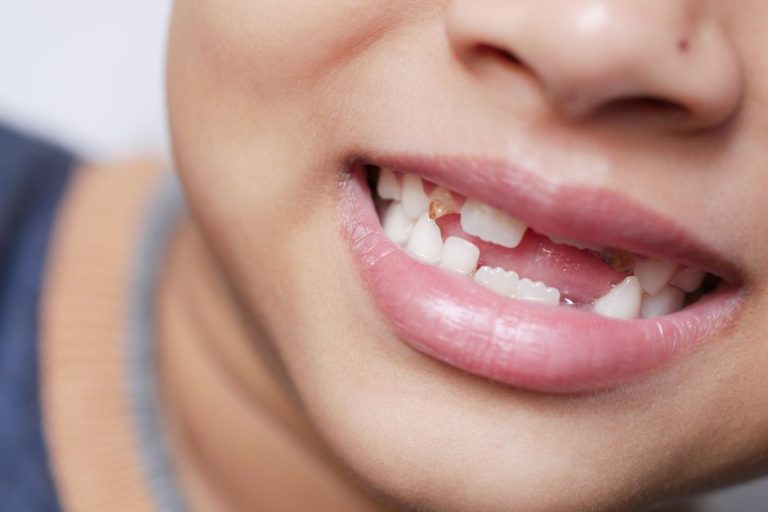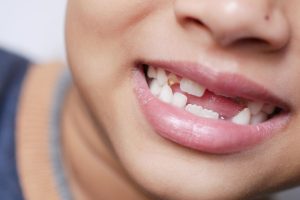

Many parents are surprised to learn that toddler cavities are not only possible but actually quite common. The assumption that baby teeth don’t matter because they’ll eventually fall out is one of the most widespread myths in children’s dental health. The truth is, primary teeth play a critical role in speech development, nutrition, and guiding permanent teeth into the right position.
If a cavity forms in a baby tooth and goes untreated, it can lead to pain, infection, and even damage to the adult tooth developing underneath. Early childhood caries is a real concern, and at Sunshine KiDDS Dentistry, we see it regularly in toddlers across Parkland, Coral Springs, Boca Raton, and surrounding South Florida communities.
The good news? Toddler tooth decay is largely preventable. Understanding why it happens and what you can do about it puts you in a strong position to protect your child’s smile from the very start.
Why Toddlers Get Cavities at Such a Young Age
Cavities form when bacteria in the mouth feed on sugars and produce acid that erodes tooth enamel. Toddlers are especially vulnerable because baby tooth enamel is thinner and softer than adult enamel, making it easier for decay to take hold quickly.
Several everyday factors contribute to cavities in toddlers:
Baby Bottle Tooth Decay
One of the most common causes of infant and toddler cavities is prolonged exposure to sugary liquids. When a child falls asleep with a bottle of milk, formula, or juice, the liquid pools around the teeth for hours. This gives mouth bacteria a steady supply of sugar to produce enamel-damaging acid.
Baby bottle tooth decay typically affects the upper front teeth first but can spread to other areas if left unchecked.
Sugar and Snacking Habits
Frequent snacking on crackers, fruit snacks, dried fruit, and juice boxes keeps sugar in constant contact with your toddler’s teeth. Even foods that seem healthy, like raisins or granola bars, can cling to teeth and fuel bacterial growth.
It’s not just about what your child eats. How often they eat matters just as much. Constant grazing throughout the day never gives saliva enough time to neutralize acids and remineralize enamel.
Bacteria Transfer from Caregivers
Toddler mouth bacteria doesn’t appear on its own. The bacteria that cause cavities, particularly Streptococcus mutans, are often transferred from a parent or caregiver to the child. Sharing spoons, blowing on food, or cleaning a pacifier in your own mouth can pass cavity-causing bacteria directly to your toddler.
Signs of Cavities in Babies and Toddlers
Spotting early signs of cavities in babies can be tricky, especially since toddlers can’t always communicate what they’re feeling. Here are some things to watch for:
- ● White spots or chalky patches on the teeth, which indicate early enamel erosion
- ● Brown or dark spots on any tooth surface
- ● Sensitivity to hot, cold, or sweet foods
- ● Fussiness during meals or refusal to eat
- ● Swelling or redness along the gum line
- ● Persistent bad breath that doesn’t go away with brushing
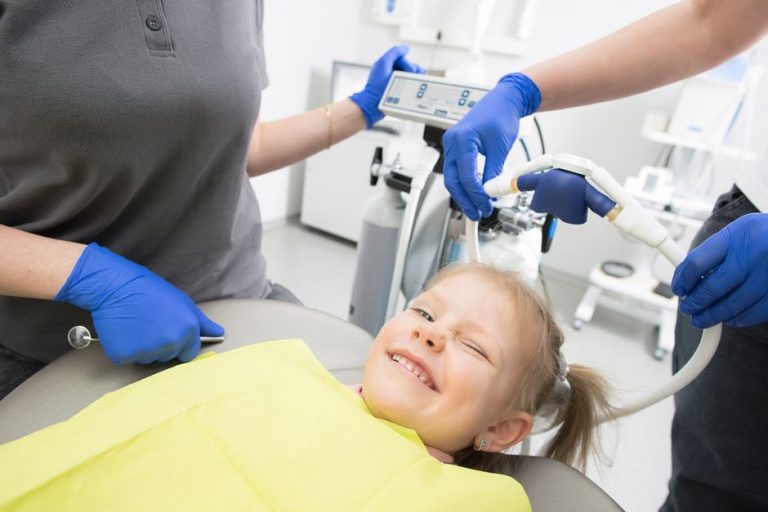
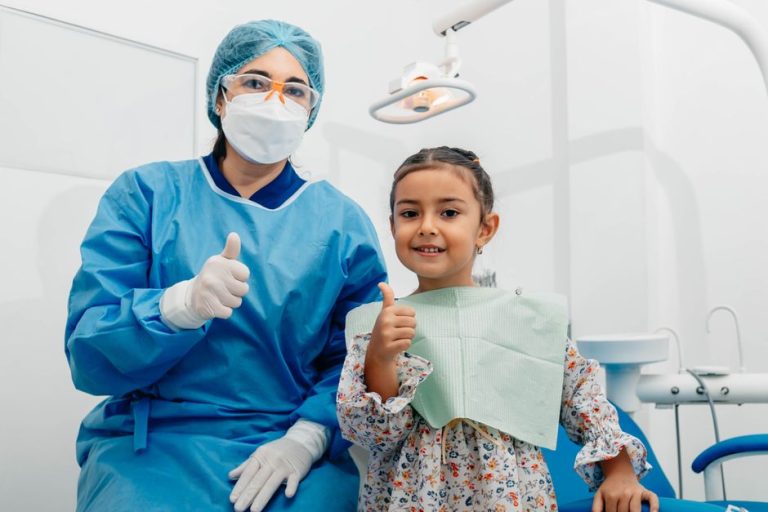
If you notice any of these symptoms, scheduling a toddler dental checkup as soon as possible is important. At Sunshine KiDDS Dentistry, our pediatric team is experienced at examining even the youngest patients in a gentle, kid-friendly environment. Catching decay early makes treatment simpler and far less stressful for everyone.

How Are Toddler Cavities Treated?
Treating cavities in toddlers depends on how far the decay has progressed. In its earliest stages, when enamel erosion is just beginning, fluoride treatments can sometimes reverse the damage and strengthen the tooth without any drilling.
For more developed cavities, a small filling is usually the best option. The procedure is quick, and pediatric dentists like the team at Sunshine KiDDS Dentistry use techniques specifically designed to keep young children comfortable and calm.
In severe cases where decay has reached the nerve of the tooth, a baby teeth root canal, known as a pulpotomy, may be necessary. This preserves the tooth so it can continue doing its job until the permanent tooth is ready to come in. Losing a baby tooth too early can cause spacing issues and alignment problems down the road, which is exactly why treatment matters even though the tooth is temporary.
How to Prevent Cavities in Toddlers
Prevention is always easier and more comfortable than treatment. A few consistent habits can dramatically reduce your child’s risk of developing cavities.
Start Brushing Early and Do It Right
Begin cleaning your baby’s gums with a soft cloth even before the first tooth appears. Once teeth start coming in, use a soft-bristled infant toothbrush with a rice-grain-sized smear of fluoride toothpaste. By age three, you can increase to a pea-sized amount.
Baby teeth brushing techniques matter. Brush gently in small circles along the gum line and on all surfaces of each tooth. Most children need help brushing until around age six or seven, so stay hands-on.
Be Strategic About Diet
Limit juice to mealtimes and offer water between meals. Avoid putting anything other than water in a bottle at bedtime. Try to keep sugary and sticky snacks to a minimum, and when your child does eat them, have them rinse with water afterward.
Swapping out processed snacks for cheese, fresh vegetables, and plain yogurt can also make a real difference in protecting baby dental hygiene.
Use Fluoride Appropriately
Fluoride for toddlers is one of the most effective tools for strengthening enamel and preventing decay. Using fluoride toothpaste at home and having professional fluoride treatments at dental visits gives your child a strong layer of protection.
If you’re unsure about the right amount of fluoride for your child’s age, the team at Sunshine KiDDS Dentistry can give you personalized guidance based on your child’s specific needs and risk level.
Schedule That First Dental Visit by Age One
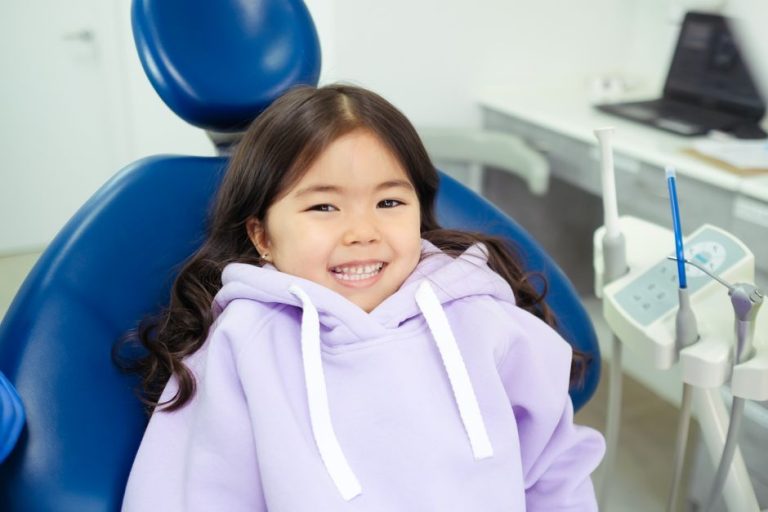
The American Academy of Pediatric Dentistry recommends a first dental visit by age one or within six months of the first tooth appearing. Early visits allow a pediatric dentist to monitor development, catch problems before they become painful, and help your child get comfortable with the dental office.
Sunshine KiDDS Dentistry offers a warm, welcoming space designed specifically for children. These early positive experiences build a foundation of good toddler dental health habits that can last a lifetime.
Why Baby Teeth Matter More Than You Think
It’s tempting to brush off a cavity in a baby tooth since it will fall out eventually anyway. But primary teeth cavities can cause serious problems if ignored.
Baby teeth hold space for permanent teeth. When one is lost prematurely due to untreated decay, neighboring teeth can drift into the gap, leading to crowding and misalignment when adult teeth try to emerge. Infections from untreated cavities can also spread to the bone and affect developing permanent teeth underneath.
Beyond the physical consequences, childhood dental disease causes pain that can interfere with eating, sleeping, and concentration. Children with untreated tooth decay are more likely to miss school and fall behind. Protecting those tiny teeth now pays off in ways that extend well beyond the mouth.
Toddler cavities are real, they’re common, and they deserve attention. Baby teeth may be temporary, but the impact of decay on your child’s comfort, development, and long-term oral health is anything but.
The combination of consistent home care, smart dietary choices, appropriate fluoride use, and regular dental visits gives your toddler the best chance at a healthy, cavity-free smile. Starting early and staying proactive makes all the difference.
At Sunshine KiDDS Dentistry, we specialize in making dental care a positive experience for kids of all ages, from their very first tooth through their teenage years. Families across Parkland, Coral Springs, Boca Raton, and the surrounding South Florida area trust our team to provide gentle, expert pediatric dental care in an environment built just for children.
If it’s been a while since your toddler’s last checkup, or if you’ve noticed any early signs of decay, don’t wait. Reach out to Sunshine KiDDS Dentistry to schedule an appointment and give your child’s smile the protection it deserves.
Frequently Asked Questions
Can a 2-year-old get cavities?
Yes, toddlers can develop cavities as soon as their first teeth come in, which is why early dental care and good brushing habits are so important.
Do cavities in baby teeth need to be filled?
In most cases yes, because untreated cavities in baby teeth can cause pain, infection, and spacing problems that affect incoming permanent teeth.
How can I prevent my toddler from getting cavities?
Brush twice daily with fluoride toothpaste, limit sugary snacks and drinks, avoid bottles at bedtime, and schedule regular dental checkups starting by age one.