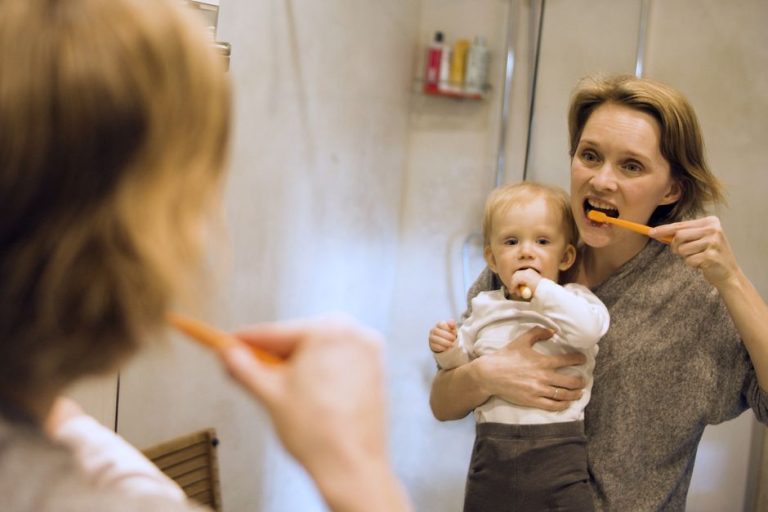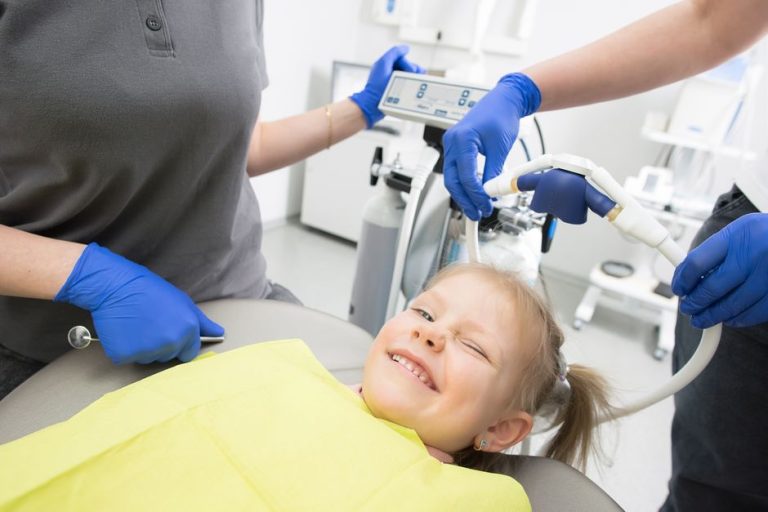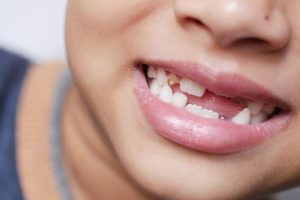
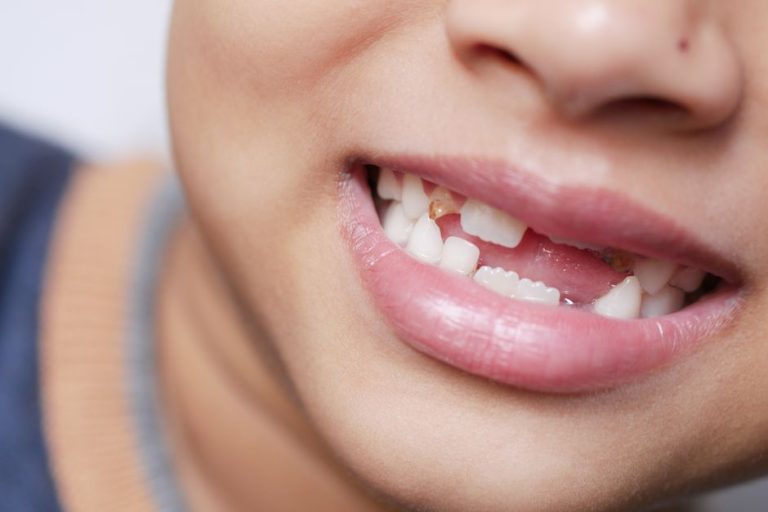
You noticed something odd in your child’s mouth. There’s a new tooth pushing through behind a baby tooth that hasn’t fallen out yet, and now it looks like your child has two rows of teeth. Before you panic, take a deep breath. This is one of the most common dental concerns parents bring to us at Sunshine KiDDS Dentistry, and in most cases, it resolves without any major intervention. When permanent teeth grow behind baby teeth, the result is sometimes called “shark teeth” because the double row resembles the layered teeth of a shark. It can look alarming, but it’s a normal variation in the way children’s adult teeth erupt. Understanding why it happens and when to take action can save you a lot of unnecessary worry. At Sunshine KiDDS Dentistry, we see this regularly in kids throughout the Parkland, Coral Springs, and Boca Raton areas. Let’s walk through what’s going on, why it happens, and what steps you should consider.
From baby teeth to braces, Sunshine Kidds Dentistry makes every visit fun, gentle, and stress-free. Our team specializes in children of all ages — including toddlers, kids with special needs, and anxious little ones.
📞 Call (754) 203-3003What Are Shark Teeth in Children?
Shark teeth in children occur when a permanent tooth erupts behind a primary (baby) tooth before the baby tooth has had a chance to fall out. This creates a temporary double row of teeth, usually along the lower front teeth, though it can happen with upper teeth as well.
Normally, when a permanent tooth starts pushing upward, it dissolves the root of the baby tooth above it. The baby tooth gets progressively looser and eventually falls out, making room for the adult tooth to slide into position. But sometimes the permanent tooth takes a slightly different path, bypassing the baby tooth root entirely. The baby tooth stays firmly in place, and the adult tooth comes in right behind it.
This is most common around ages five to seven, when the lower front incisors are the first permanent teeth to arrive. It can happen again around ages eleven to twelve when the upper back molars come in.

Why Are Permanent Teeth Growing Behind Baby Teeth?
There’s no single cause. Several factors can contribute to permanent teeth erupting behind primary teeth, and most of them are completely normal parts of childhood development.
The Permanent Tooth Erupts at an Angle
Sometimes the adult tooth simply follows a slightly off-center path as it moves through the gum tissue. Instead of pushing straight up into the baby tooth root, it angles backward and breaks through behind it. This is the most frequent reason for shark teeth and usually corrects itself over time.
Crowding in the Jaw
If your child’s jaw doesn’t have enough space to accommodate the incoming permanent teeth, crowding can force the new teeth to find an alternative eruption path. Teeth crowding in young children is something the team at Sunshine KiDDS Dentistry monitors closely, since early detection can make a big difference in treatment options later.
The Baby Tooth Root Doesn’t Dissolve Properly
Retained baby teeth occur when the root of the primary tooth remains intact and strong, preventing it from loosening naturally. The permanent tooth has no choice but to find another way through, and that usually means coming in behind the stubborn baby tooth.
Is a Double Row of Teeth in Children Dangerous?
In the vast majority of cases, no. A double row of teeth in children looks dramatic, but it rarely causes long-term problems. Once the baby tooth finally falls out, the tongue naturally pushes the permanent tooth forward into its correct position over the following weeks or months.
However, there are situations where the condition does require attention. If the baby tooth shows no signs of loosening after several weeks, or if your child is experiencing pain, swelling, or difficulty eating, it’s time to schedule a visit. Leaving a firmly retained baby tooth in place for too long can lead to alignment issues or make it harder for the permanent tooth to move into position on its own.
At Sunshine KiDDS Dentistry, we evaluate each case individually. Some children just need time and patience. Others benefit from a gentle baby tooth extraction to clear the path.
When to See a Dentist for Shark Teeth
Knowing when to see a dentist for shark teeth comes down to a few key indicators. Not every case needs professional treatment, but some do. Here’s how to tell the difference.
Schedule a dental visit if:
If the baby tooth is already wiggly and getting looser each day, you can usually wait it out. Encourage your child to gently wiggle the tooth with clean fingers or by eating crunchy foods like apples and carrots. The natural process often takes care of itself within a few weeks.
- The baby tooth hasn’t loosened at all after two to three weeks of the permanent tooth being visible
- Your child has pain or discomfort around the area
- The gum tissue looks red, swollen, or infected
- Multiple permanent teeth are coming in behind baby teeth at the same time
- The permanent tooth appears significantly misaligned or rotated
What Happens During a Baby Tooth Extraction?
If our team at Sunshine KiDDS Dentistry determines that the baby tooth needs to come out, the procedure is quick, straightforward, and very well tolerated by children.
We apply a topical numbing gel to the area first, followed by a small amount of local anesthetic if needed. Since the roots of retained baby teeth are often partially dissolved already, the extraction is usually much simpler than parents expect. Most children describe it as feeling like a little tug.
We apply a topical numbing gel to the area first, followed by a small amount of local anesthetic if needed.
Recovery is fast. Your child can typically return to normal eating within a day or two. We’ll provide clear aftercare instructions and follow up to make sure the permanent tooth is moving into position as expected.
Can Shark Teeth Cause Long-Term Orthodontic Issues?
A single episode of permanent teeth coming in behind baby teeth usually does not lead to lasting orthodontic problems. The tongue does a remarkable job of guiding the new tooth forward once the baby tooth is out of the way.
That said, if your child experiences this pattern with multiple teeth, or if there are signs of significant crowding, early orthodontic evaluation can be valuable. The American Association of Orthodontists recommends a first orthodontic screening by age seven, which aligns perfectly with the age when shark teeth most commonly appear.
At Sunshine KiDDS Dentistry, we keep a close eye on how your child’s teeth are developing during routine checkups. If we spot potential mixed dentition problems or signs that the bite isn’t developing properly, we’ll discuss your options and refer to a trusted orthodontist when appropriate.
How to Help Your Child Through the Shark Teeth Phase
The most important thing you can do is stay calm and reassure your child. Kids pick up on their parents’ anxiety, and most children aren’t bothered by the extra tooth until someone tells them they should be.
Here are a few practical tips:
Most shark teeth situations resolve on their own within a few weeks to a couple of months. If they don’t, that’s exactly what we’re here for.
Seeing permanent teeth growing behind baby teeth can catch any parent off guard, but it’s one of the most common childhood dental occurrences. Most of the time, the baby tooth loosens and falls out naturally, and the permanent tooth shifts into its proper spot without any help.
The key is knowing what to watch for and when to seek professional guidance. If the baby tooth isn’t budging, if your child is uncomfortable, or if you simply want peace of mind, the team at Sunshine KiDDS Dentistry is here to help. We’ve guided thousands of families in Parkland, Coral Springs, Boca Raton, and surrounding South Florida communities through every stage of their children’s dental development.
Give Sunshine KiDDS Dentistry a call to schedule your child’s next checkup, and let us make sure those new teeth are coming in exactly the way they should.
- Encourage gentle wiggling of the loose baby tooth throughout the day
- Maintain regular brushing and flossing, paying extra attention to the area where two teeth overlap
- Offer crunchy, healthy snacks that can help loosen the baby tooth naturally
- Avoid tying string to the tooth or using pliers (yes, we’ve heard the stories)
- Keep your scheduled dental appointments at Sunshine KiDDS Dentistry so we can monitor progress