You have the appointment booked, the car loaded up, and your child seems fine until you walk through the office doors. Then the tears start, the body goes rigid, and suddenly your child refuses to sit in the dental chair no matter what you say or do. Sound familiar?
This is one of the most common challenges parents face, and it does not mean something is wrong with your child. Dental anxiety in children is incredibly normal, especially during the toddler and early childhood years. Kids process the world differently than adults, and a dental office is full of unfamiliar sounds, smells, and sensations that can feel overwhelming.
The good news is that with the right approach and the right pediatric dental team, even the most resistant child can learn to feel safe and cooperative during visits. At Sunshine KiDDS Dentistry, helping anxious kids feel comfortable is what the team does every single day for families across Parkland, Coral Springs, Boca Raton, and surrounding South Florida communities.
Common Reasons a Child Refuses to Sit in the Dental Chair
Before you can solve the problem, it helps to understand what is actually driving the resistance. Children rarely refuse dental treatment just to be difficult. There is almost always an underlying reason, and identifying it is the first step toward a better experience.
Fear of the Unknown
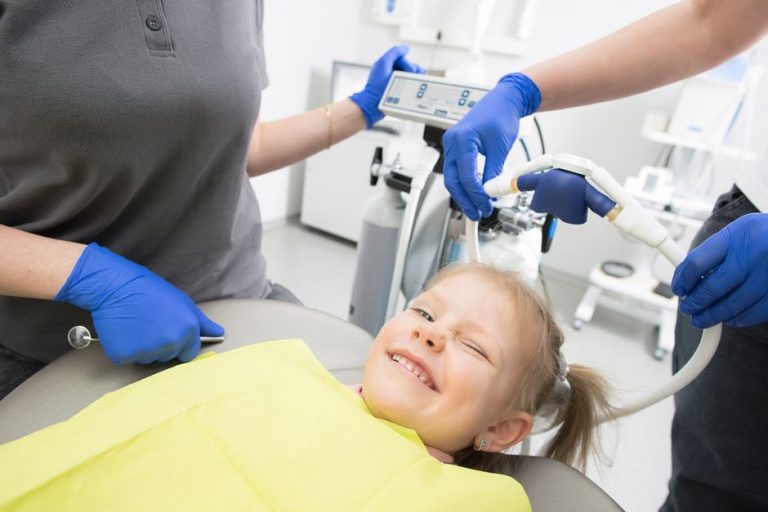
Young children thrive on predictability. A dental office is full of things they have never seen before, from the bright overhead light to the reclining chair to the sound of suction. When a child does not know what to expect, their natural response is to resist.
This is especially true for a first dental visit or if a child has not been to the dentist in a long time. Everything feels foreign, and foreign can feel threatening to a developing mind.
Sensory Overload
The taste of fluoride, the texture of gloves, the vibration of a polishing tool, and the sound of instruments can all trigger sensory discomfort. Some children are more sensitive to these inputs than others, and even mild sensory overload can cause a toddler to refuse to cooperate.
A Previous Negative Experience
If your child had a difficult medical or dental experience in the past, that memory can resurface at the next appointment. Even something as simple as a shot at the pediatrician’s office can create an association between clinical settings and pain.
Picking Up on Parental Anxiety
Children are remarkably perceptive. If you feel nervous about your child’s appointment, there is a good chance they sense it. Phrases like “it won’t hurt” can actually introduce the idea of pain where it did not exist before. Kids pick up on tone, body language, and word choice more than we realize.
How to Prepare Your Child for the Dentist
Preparation makes a significant difference, especially for kids who are afraid of the dentist. A few simple steps before the appointment can reduce anxiety and set the stage for a smoother visit.
Use Positive, Simple Language
Talk about the dental visit in a calm, matter-of-fact way. Instead of saying “the dentist won’t hurt you,” try “the dentist is going to count your teeth and make them sparkly clean.” Keep the language age-appropriate and avoid over-explaining procedures.
Read Books or Watch Videos About Dental Visits
There are wonderful children’s books and short videos that walk kids through what happens at a dental appointment. These resources help remove the fear of the unknown by giving your child a visual preview of the experience.
Play Pretend at Home
Role-playing is a powerful tool for young children. Let your child “be the dentist” and examine a stuffed animal’s teeth with a toothbrush. Then switch roles. This kind of play normalizes the experience and gives your child a sense of control.
Schedule Wisely
Book the appointment at a time when your child is usually well-rested and fed. A tired, hungry toddler is far more likely to have a meltdown than one who is calm and comfortable.

What Does a Pediatric Dentist for Anxious Children Actually Do Differently?
A pediatric dentist is not just a regular dentist who treats smaller patients. Pediatric dental training includes years of specialized education in child psychology, behavior management, and developmental stages. This training is exactly what makes places like Sunshine KiDDS Dentistry so effective with anxious or uncooperative children.
The team at Sunshine KiDDS Dentistry uses proven pediatric dental behavior management techniques designed to build trust gradually rather than forcing compliance. The goal is never to just “get through” the appointment. The goal is to create a positive association with dental care that lasts into adulthood.
The Tell-Show-Do Technique
This is one of the most widely used calming techniques for anxious children at the dentist. The dental team first tells the child what they are going to do in kid-friendly language, then shows them the instrument or demonstrates on a model, and only then proceeds with the actual step. This removes surprises and gives the child a sense of predictability.
Desensitization and Gradual Exposure
For children with more significant dental fear, Sunshine KiDDS Dentistry may recommend a “happy visit” or introductory appointment. During these visits, the child simply explores the office, sits in the chair, and meets the team without any treatment being performed. Over time, the child builds familiarity and comfort, making future appointments much easier.
Distraction and Comfort Tools
From ceiling-mounted TVs to sunglasses that block the overhead light, kid-friendly dental offices are designed to redirect a child’s attention. These small details can make a huge difference for a child who is nervous about what is happening in their mouth.
When a Child Refuses Dental Treatment Entirely
Sometimes, despite everyone’s best efforts, a child simply cannot cooperate enough for necessary dental work to be completed safely. This is especially common when a child needs treatment for early childhood caries or has behavioral challenges that make sitting still difficult.
In these situations, Sunshine KiDDS Dentistry discusses child dental sedation options with parents. Sedation is not a first resort, but it is a safe and well-established tool when the child’s dental health is at risk and traditional behavior management is not enough.
Options may include nitrous oxide (laughing gas) for mild anxiety or deeper sedation for more extensive treatment needs. Every option is explained clearly so parents can make informed, confident decisions about their child’s care.
Why the Right Dental Home Matters
Choosing a pediatric dental practice that specializes in working with kids, including anxious and resistant ones, changes everything. A general dental office may not have the training, the environment, or the patience to work through a child’s fear at the pace the child needs.
Sunshine KiDDS Dentistry was built specifically for children. The office environment, the team’s communication style, and the treatment approach are all designed around the way kids think and feel. For families in Parkland, Coral Springs, and Boca Raton, having a dedicated pediatric dental home means your child gets care from professionals who genuinely understand pediatric dental fear and know how to work through it.
When a child feels safe and respected at the dentist, they carry that positive experience forward. Early dental visits shape lifelong habits, and getting those early experiences right has a lasting impact on your child’s oral health and their willingness to seek care as they grow older.
A child who refuses to sit in the dental chair is not being defiant. They are communicating that something feels scary or overwhelming, and that is a completely normal response. The key is meeting them where they are, preparing them with the right strategies at home, and partnering with a dental team that knows how to guide anxious children with patience and expertise.
Sunshine KiDDS Dentistry helps families across South Florida navigate exactly these challenges every day. From gentle introductory visits to proven calming techniques and sedation options when needed, the team is equipped to support your child at every comfort level.
If your child has been struggling with dental visits, or if you have been putting off scheduling because you know it will be a battle, reach out to Sunshine KiDDS Dentistry. The right experience now can change the way your child feels about dental care for the rest of their life.
Frequently Asked Questions
Why does my child refuse to sit in the dental chair?
Children typically refuse because of fear of the unknown, sensory overload, a past negative experience, or picking up on a parent’s anxiety.
How can I help my anxious child prepare for a dental visit?
Use positive language, read books about dental visits, practice role-playing at home, and schedule the appointment when your child is rested and fed.
What does a pediatric dentist do for a child who is afraid of the dentist?
A pediatric dentist uses techniques like tell-show-do, gradual desensitization, distraction tools, and sedation options when needed to help anxious children feel safe.