Spotting the signs of a cavity in a child isn’t always straightforward. Unlike adults, kids don’t always know how to describe tooth pain, and some cavities develop without any obvious symptoms at first. That’s why so many parents find themselves wondering whether that tiny spot or sudden sensitivity actually means something is wrong.
The good news is that early cavity detection in children makes treatment simpler, faster, and far less stressful for everyone involved. Once you know what to look for, you can act quickly and get your child the care they need before a small problem turns into a bigger one.
At Sunshine KiDDS Dentistry, we help families across Parkland, Coral Springs, Boca Raton, and the surrounding South Florida communities catch tooth decay early and keep little smiles healthy. Here’s what every parent should know about recognizing cavity symptoms in children and when to schedule a visit.
Common Signs of a Cavity in a Child
Tooth decay in children can show up in several ways, and the signs vary depending on how far the cavity has progressed. Some symptoms are visible, while others are behavioral. Here are the most common warning signs to watch for:
- White or chalky spots on the teeth. These are often the earliest sign of enamel breakdown, even before a full cavity forms.
- Brown spots on baby teeth or black spots on child teeth. Discoloration that doesn’t go away with brushing is a strong indicator of decay.
- A visible hole or pit in the tooth. If you can see an actual cavity on your child’s tooth, the decay has already progressed and needs professional treatment.
- Sensitivity to hot, cold, or sweet foods. Your child might wince, pull away, or refuse certain foods and drinks.
- Tooth pain or complaints about a “toothache.” Even vague complaints about mouth discomfort should be taken seriously.
- Bad breath that doesn’t improve with brushing. Persistent bad breath can signal bacteria buildup and decay.
- Swelling or redness around a tooth or along the gumline.
If you notice any of these signs, it’s worth scheduling an appointment rather than waiting. At Sunshine KiDDS Dentistry, our team is experienced at examining young patients gently and thoroughly, so we can confirm whether a cavity is present and recommend the right next step.
What Does Tooth Decay Look Like in Toddlers and Young Kids?
Detecting tooth decay in young children, especially toddlers, can be tricky. Toddlers can’t tell you what hurts, and they may just become fussy, refuse to eat, or wake up crying at night without an obvious reason.
Baby cavity symptoms often start as faint white lines or spots near the gumline on the upper front teeth. Over time, those spots can turn yellow, brown, or even black. In more advanced cases, the tooth structure may start to crumble or chip.
Primary tooth decay signs in toddlers also include:
- Drooling more than usual
- Chewing on one side of the mouth
- Pulling at their ears or cheeks (which can signal referred tooth pain)
- Sudden changes in eating habits
Many parents assume that cavities in baby teeth aren’t a big deal because those teeth will eventually fall out. But untreated decay in primary teeth can cause pain, infection, and even damage to the permanent teeth forming underneath. That’s why our team at Sunshine KiDDS Dentistry recommends bringing your child in for their first dental visit by age one or when the first tooth appears.
What Causes Cavities in Children?
Understanding how cavity formation in primary teeth works can help you prevent problems before they start. Cavities form when bacteria in the mouth feed on sugars from food and drinks, producing acid that wears down tooth enamel over time.
Key Dental Cavity Risk Factors in Children
Several factors increase a child’s likelihood of developing cavities:
- Frequent snacking on sugary or starchy foods. Crackers, fruit snacks, juice, and even milk left on teeth for extended periods can fuel decay.
- Inconsistent brushing and flossing habits. Kids under six or seven usually don’t have the motor skills to brush effectively on their own.
- Not enough fluoride. Fluoride strengthens enamel and helps resist acid attacks. If your child isn’t getting enough through toothpaste or water, their teeth may be more vulnerable.
- Dry mouth. Saliva helps wash away food particles and neutralize acids. Kids who breathe through their mouths or take certain medications may produce less saliva.
- Deep grooves in molars. Some children naturally have deeper pits and fissures in their back teeth, which trap food and bacteria more easily.
At Sunshine KiDDS Dentistry, we take a proactive approach. During every visit, we assess your child’s individual risk factors and provide personalized recommendations, whether that includes dental sealants, fluoride treatments, or guidance on brushing techniques.
How a Pediatric Dentist Detects and Treats Cavities
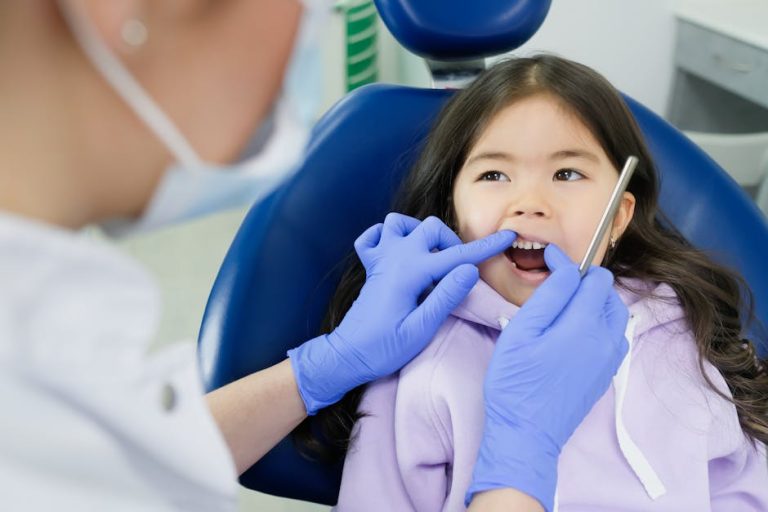
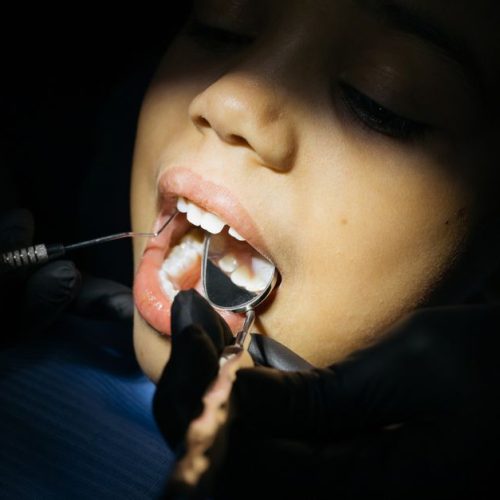
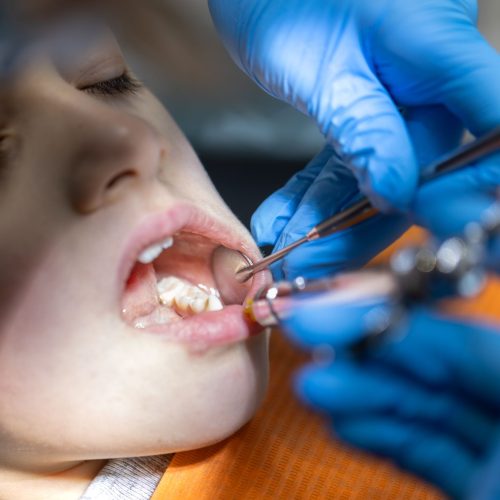
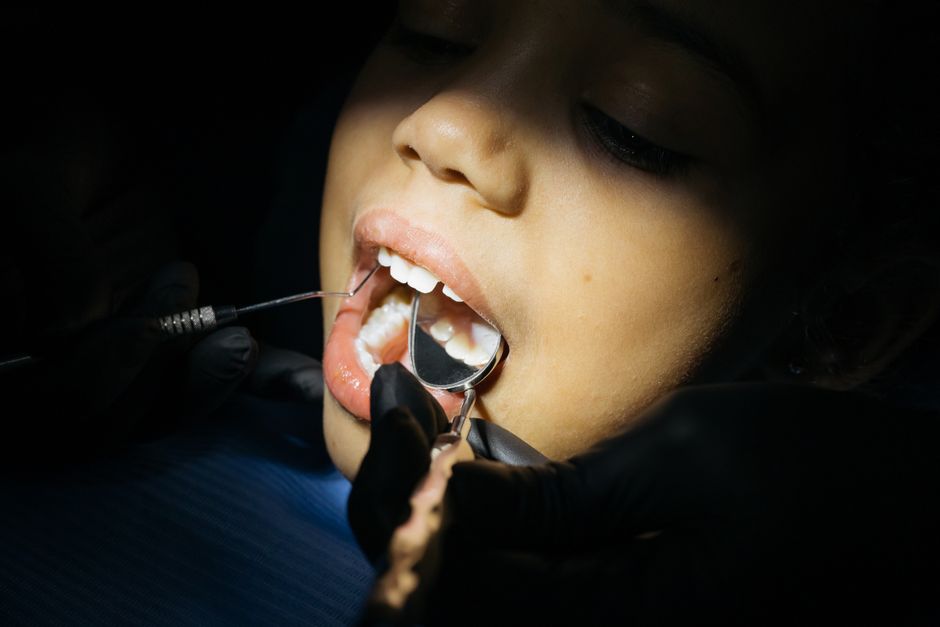
A pediatric dentist for cavities uses specialized tools and techniques designed specifically for children’s smaller mouths and developing teeth. During a routine exam, your child’s dentist will visually inspect each tooth, take digital X-rays when appropriate, and check for early signs of decay that aren’t visible to the naked eye.
Early cavity detection in children often means the problem can be addressed with minimally invasive treatment. Here’s what pediatric cavity treatment typically looks like depending on the stage of decay:
- Fluoride application. For very early-stage decay (those white spots), professional fluoride treatment can sometimes reverse the damage before a filling is needed.
- Dental fillings. The most common treatment for a cavity. The decayed portion of the tooth is removed and replaced with a tooth-colored filling material.
- Dental crowns. If the decay is extensive, a stainless steel or tooth-colored crown may be placed to protect and restore the tooth.
- Pulp therapy. When decay reaches the nerve of the tooth, a procedure similar to a root canal may be necessary to save the tooth.
Sunshine KiDDS Dentistry makes these procedures as comfortable as possible. Our office is designed with kids in mind, and our team takes extra time to explain each step in a way that puts children (and parents) at ease.
How to Prevent Cavities in Your Child’s Teeth
Prevention is always easier than treatment. A few consistent habits can significantly reduce your child’s risk of developing cavities and other children’s dental health problems.
- Brush twice a day with fluoride toothpaste. Use a rice-grain-sized amount for children under three and a pea-sized amount for ages three to six.
- Start flossing as soon as two teeth touch. This removes plaque from areas a toothbrush can’t reach.
- Limit sugary drinks and snacks. Water is always the best choice between meals.
- Avoid putting your baby to bed with a bottle of milk or juice. This is one of the leading causes of early childhood tooth decay.
- Schedule dental checkups every six months. Regular visits allow your pediatric dentist to catch problems early and keep your child’s oral health on track.
Sunshine KiDDS Dentistry also offers preventive services like dental sealants, which create a protective barrier over the chewing surfaces of back teeth where cavities are most likely to form. Combined with good home care, these treatments make a real difference in keeping your child’s smile cavity-free.
When Should You Call a Pediatric Dentist?
If your child is complaining about tooth pain, you notice tooth discoloration in kids that looks unusual, or you spot what appears to be a visible cavity on your child’s tooth, don’t wait for the next scheduled appointment. Call your pediatric dentist right away.
You should also reach out if your child:
- Has swelling in the face or jaw
- Develops a fever alongside dental symptoms
- Has a tooth that appears broken or damaged
- Refuses to eat due to mouth discomfort
Early intervention prevents complications like infection, tooth loss, and the need for more extensive treatment. The sooner a cavity is addressed, the simpler the solution tends to be.
Recognizing the signs of a cavity in a child early gives you the power to protect your child’s smile before small issues become painful or costly problems. From white spots and tooth sensitivity to visible holes and persistent bad breath, knowing what to look for makes all the difference.
At Sunshine KiDDS Dentistry, we’re here to partner with you in your child’s dental health journey. Our team provides gentle, thorough care for children of all ages across Parkland, Coral Springs, Boca Raton, and the surrounding South Florida area. Whether your child needs a routine checkup, a filling, or just a professional set of eyes on a spot that looks concerning, we’re ready to help.
If you suspect your child may have a cavity or if it’s simply time for their next dental visit, reach out to Sunshine KiDDS Dentistry today. Early detection and consistent care are the best gifts you can give your child’s smile.
Frequently Asked Questions
What are the first signs of a cavity in a child?
The earliest signs are usually white or chalky spots on the tooth surface, followed by sensitivity to hot, cold, or sweet foods.
Can cavities in baby teeth affect permanent teeth?
Yes, untreated decay in baby teeth can cause infection and damage the permanent teeth developing underneath.
How are cavities treated in young children?
Treatment depends on the severity and may include fluoride application, dental fillings, crowns, or pulp therapy to save the tooth.