
Tooth pain in children can feel unpredictable. One moment your child is playing, the next they are crying, holding their cheek, unable to explain what hurts. Parents often hesitate : is this something that can wait until morning, or should I call the dentist right now? At Sunshine Kids Dentistry, this is one of the most common questions we receive. And the truth is, it is always better to ask than to assume. Some dental discomforts resolve quickly, while others are early warning signs of something more serious. Why Children’s Tooth Pain Should Never Be Ignored Unlike adults, children often struggle to describe the source of pain clearly. What feels like a mild ache may already be advanced decay, infection, or trauma. We regularly see cases where a small complaint became a larger emergency simply because families were unsure what was normal. Sunshine Kids Dentistry specializes in identifying the difference early, long before pain becomes overwhelming. Common Causes of Tooth Pain in Children Tooth pain does not appear randomly. It usually signals one of the following: Cavities that have progressed into deeper layers of the tooth Gum infections or abscesses Cracked or chipped teeth from falls or sports injuries Sensitivity caused by enamel erosion Teeth grinding at night Food trapped under the gums Each of these conditions requires a different approach, which is why evaluation by a pediatric dental specialist is so important. Signs That Indicate a True Dental Emergency Parents often ask what separates a routine issue from an emergency. Here are situations where you should contact Sunshine Kids Dentistry immediately: Severe, persistent pain that does not improve Swelling in the face or gums Fever alongside dental pain A knocked-out or broken tooth Pus or unusual drainage in the mouth Difficulty eating, speaking, or opening the mouth These symptoms can indicate infection or trauma that should never be delayed. What Can Wait Until Morning Not every complaint requires urgent intervention. Situations that may be monitored briefly include: Mild sensitivity to hot or cold Occasional discomfort while chewing Small chips without pain or bleeding Loose baby teeth preparing to fall out However, if symptoms persist beyond a day or worsen, Sunshine Kids Dentistry encourages parents to schedule an evaluation promptly. Short Q&A Should I take my child to the emergency room for tooth pain? Only if there is facial swelling, fever, or difficulty breathing. Otherwise, contact Sunshine Kids Dentistry first. Can a cavity really become dangerous? Yes. Untreated decay can lead to infection and abscess formation. What should I do if my child knocks out a tooth? Call Sunshine Kids Dentistry immediately. Time matters. How Sunshine Kids Dentistry Handles Pediatric Dental Emergencies We understand emergencies don’t follow schedules. Our pediatric team is trained to respond quickly and calmly: reassuring both the child and the parent. Our emergency services include: Immediate evaluation Gentle restorative treatment Pain management options Safe sedation when anxiety is high Our goal is to stabilize the issue while making the experience as stress-free as possible. How Prevention Reduces Emergencies Most emergencies start quietly. Preventive care at Sunshine Kids Dentistry, cleanings, fluoride treatments, sealants : dramatically lowers the risk of sudden pain. We often tell parents that prevention is not just about avoiding cavities. It is about avoiding emergencies altogether. Final Thoughts Tooth pain is your child’s way of asking for help. Whether it is mild or severe, paying attention early protects your child from unnecessary suffering. When in doubt, trust your instincts and contact Sunshine Kids Dentistry. Your child deserves fast answers, gentle care, and the reassurance that someone is always ready to help.
Why Is My Child Afraid of the Dentist and How Can I Help?
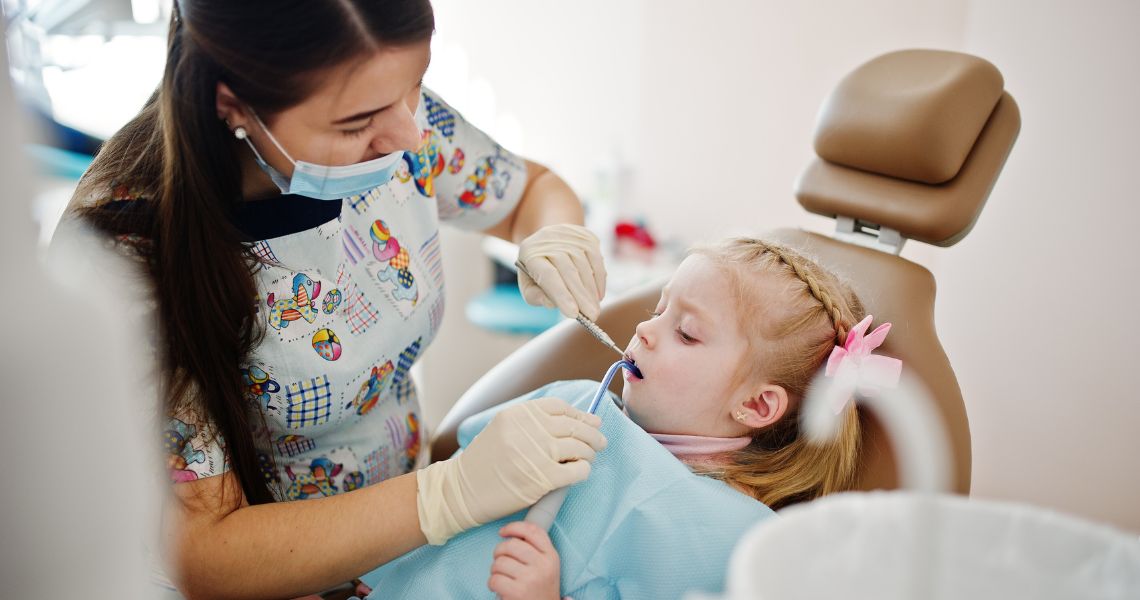
For many families, the word dentist instantly changes the mood in the room. A cheerful child suddenly goes quiet. A simple reminder turns into a negotiation. Tears arrive before anyone has even left the house. Parents often feel helpless watching this happen, unsure whether to push forward or postpone the visit altogether. At Sunshine Kids Dentistry, we meet families at this exact moment every day. Dental fear is not misbehavior. It is communication. It is your child’s way of saying something that feels unfamiliar, overwhelming, or out of control. Understanding the emotional roots of that fear is the first step toward turning dental visits into something your child can handle with confidence. Where Dental Fear Begins Children do not arrive at the dentist afraid by accident. Their fear grows from experiences, stories, and sensory impressions they don’t yet have the language to explain. For some, it begins with a rushed or confusing appointment at a young age. For others, fear develops after hearing siblings or classmates share dramatic stories about drills or shots. Even watching a parent tense up in the chair can quietly teach a child that the dentist is something to be endured, not trusted. At Sunshine Kids Dentistry, parents often tell us their child “just suddenly became scared.” In reality, fear is usually built slowly: one unfamiliar sound, one uncomfortable moment, one situation where the child felt they had no control. Why Skipping Appointments Makes the Fear Stronger It’s natural to want to protect your child from stress. Many parents delay visits once fear appears, hoping the anxiety will fade with time. Unfortunately, avoidance almost always strengthens fear. Without routine preventive care, small dental concerns grow quietly. A minor cavity becomes a painful toothache. A missed cleaning leads to inflamed gums. When a child finally returns to the dentist because something hurts, their belief is confirmed: The dentist only means pain. This is why Sunshine Kids Dentistry emphasizes prevention cleanings, fluoride treatments, sealants, services that keep visits simple, gentle, and predictable. How Sunshine Kids Dentistry Builds Trust Our pediatric team is trained to care for children, not just teeth. We do not rush, restrain, or dismiss fear. We explain. We demonstrate. We let children observe before they experience it. From the moment your family arrives, we use child-friendly language and behavior guidance techniques designed to help kids feel safe. When restorative treatment is needed, we proceed gradually, always checking comfort and understanding. And for children with higher anxiety or special needs, we offer safe sedation dentistry options, not as a shortcut, but as a supportive tool. How Parents Can Prepare Their Child at Home What happens before the appointment matters just as much as what happens in the chair. Helpful steps include: Speak positively about dental care never as punishment or threat. Read storybooks about visiting the dentist. Practice “dentist” at home with stuffed animals. Let your child bring a comfort item to their visit. Children absorb emotional cues more than explanations. When you approach dental visits calmly, they learn that calm is possible. When Fear Signals Something Deeper Some children have sensory sensitivities, developmental challenges, or past medical trauma that make dental visits particularly hard. At Sunshine Kids Dentistry, we recognize these patterns and adjust our care: offering more time, breaks, and flexibility. The Long-Term Power of Positive Experiences Children who feel respected in the dental chair grow into adults who value preventive care. They don’t wait for pain to seek help. They don’t avoid routine checkups. They pass those habits on to their own children. Short Q&A When should my child first visit the dentist? By their first birthday or when their first tooth appears. Is sedation dentistry safe for kids? Yes. Sunshine Kids Dentistry uses carefully monitored sedation options when appropriate. Is dental fear common? Extremely. Most children experience it at some point. Final Thoughts Fear fades when trust grows. At Sunshine Kids Dentistry, our mission is not just healthy smiles, it’s confident children who feel safe, understood, and supported every step of the way.

Dental Sealants vs Fluoride: What’s Best for Preventing Cavities in Kids?
When it comes to protecting your child’s smile, most parents are familiar with brushing, flossing, and limiting sugary snacks. But once children start regular dental visits, many parents hear two additional recommendations: dental sealants for kids and fluoride treatment for kids. These preventive tools are incredibly effective in reducing cavities, yet parents often ask the same question, Do children need both? At Sunshine Kidds Dentistry, we understand that parents want clear, trustworthy answers. So today, we’re breaking down the differences between sealants and fluoride, explaining when each one is recommended, and helping you understand which option or combination is best for your child’s oral health. Why Preventive Dental Care Matters So Much for Kids Cavities are one of the most common chronic conditions in children. Even with good brushing habits, young kids often struggle to clean all the grooves and hard-to-reach areas on their teeth. Combine this with developing enamel and high-sugar diets, and you have a recipe for tooth decay. That’s why preventive care is essential. Sealants and fluoride offer children extra layers of protection beyond what brushing alone can achieve, giving parents peace of mind and helping kids maintain a bright, healthy smile for years to come. What Are Dental Sealants for Kids? Dental sealants are thin, protective coatings applied to the chewing surfaces of the back teeth (molars and premolars). These teeth have deep grooves and pits where bacteria and food particles can easily hide, even with thorough brushing. Sealants work by: Creating a smooth surface that is easier to clean Blocking out bacteria and plaque Preventing cavity formation in vulnerable grooves Sealants are especially beneficial once a child’s permanent molars come in usually around ages 6 and 12. Quick Example Imagine a child brushing their teeth carefully every night. Even so, their toothbrush bristles may not reach into the narrow crevices of molars. A sealant fills those areas so crumbs, sugars, and bacteria can’t settle there. Sealants are painless, quick, and typically last several years with proper care. What Is Fluoride Treatment for Kids? Fluoride is a natural mineral that strengthens tooth enamel. When applied regularly, it helps: Remineralize weakened areas Strengthen enamel against acid attacks Reverse early signs of tooth decay Reduce cavity risk across all teeth, not just molars At Sunshine Kidds Dentistry, fluoride is usually applied as a varnish after cleanings. It’s safe, fast, and highly effective in boosting kids oral health Parkland families rely on. Think of fluoride as your child’s enamel “shield”, it supports the entire mouth, not just specific teeth. Sealants vs. Fluoride: What’s the Difference? Even though both help prevent cavities, sealants and fluoride work differently: Dental Sealants Protect specific surfaces (mostly molars) Create a physical barrier against decay Best for deep grooves and chewing surfaces Great for school-aged kids Fluoride Treatment Strengthens the entire tooth surface Helps repair early enamel damage Works on all teeth, not just molars Ideal for kids of all ages One is targeted protection (sealants), and the other is whole-mouth protection (fluoride). Together, they create a powerful cavity prevention plan. When Should Kids Get Sealants? Sealants are most effective when applied soon after molars erupt. Typical timeline: First permanent molars: around age 6 Second permanent molars: around age 12 Sealants may also be applied to baby molars if a child is at high risk for cavities. Your child may benefit from sealants if they: Have deep grooves in their molars Have a history of cavities Struggle with brushing effectively Eat a high-sugar or high-carb diet Are in orthodontic treatment (making cleaning harder) Sunshine Kidds Dentistry evaluates each child individually to determine the best timing. When Should Kids Get Fluoride Treatments? Most children receive fluoride at every six-month checkup, though some may benefit from more frequent applications. Fluoride is especially helpful for: Toddlers with early enamel weakness Children with poor brushing habits Kids with braces Children with frequent snacking habits Those living in areas without fluoridated water Because fluoride strengthens all teeth, it serves as an essential baseline for cavity prevention. Are Sealants or Fluoride Better for Preventing Cavities? Parents often search “sealants vs fluoride,” hoping to choose the better option. But the truth is they’re most effective together. Sealants protect specific high-risk areas. Fluoride protects everywhere else. Think of it like protecting your home: Sealants are like locking your doors. Fluoride is like installing an alarm system. Both serve different purposes, but when used together, they offer the best defense. Benefits of Using Both Sealants and Fluoride Choosing both preventive treatments gives your child: A significantly lower risk of cavities Stronger enamel during key development years Fewer dental emergencies and fillings A healthier long-term relationship with oral care Reduced dental anxiety from fewer procedures At Sunshine Kidds Dentistry, our approach is proactive. The earlier and more consistently children receive preventive care, the fewer cavities they typically experience. How Sunshine Kidds Dentistry Helps Parents Make the Right Choice Choosing the right preventive treatment for your child shouldn’t feel overwhelming. Sunshine Kidds Dentistry supports parents by: Explaining each treatment in kid-friendly language Showing visual examples of molar grooves and enamel health Tailoring recommendations to your child’s risk level Making sure every child feels safe and relaxed Encouraging preventive routines at home We believe parents deserve clear, honest guidance and kids deserve gentle, compassionate care. Short Q&A About Fluoride and Sealants Can fluoride treatments replace sealants? No. Fluoride strengthens enamel, but does not block food and bacteria the way sealants do. Are dental sealants safe for children? Yes. Sealants have been safely used for decades and are recommended by leading pediatric dental associations. How long do sealants last? Typically 3–5 years, though they can last longer with proper care. Does my child need fluoride if we use fluoride toothpaste at home? Professional treatments offer a higher concentration for added protection. Will my child feel anything during sealant placement? Sealants are completely painless and require no drilling or numbing. The Best Cavity Prevention Strategy for Kids Cavity prevention isn’t about choosing one treatment over another, it’s about

First Dental Visit for Kids: What Parkland Parents Should Expect at Sunshine Kidds
For many families, scheduling a child’s very first dental appointment comes with a mix of excitement and uncertainty. Parents want to protect their child’s smile, but they may worry about fear, tears, or the unknown of a dental office. That’s why choosing a pediatric dentist Parkland FL who understands child development, dental anxiety, and early oral health is essential. At Sunshine Kidds Dentistry, the goal is simple: to make your child’s first dental visit a positive, comfortable experience that sets the tone for lifelong oral health. Whether your child is a toddler experiencing their first exam or an older child stepping into dental care for the first time, the team is committed to creating a safe and welcoming environment for both parents and kids. Here’s exactly what Parkland parents can expect during that important first visit. When Should Your Child Have Their First Dental Visit? The American Academy of Pediatric Dentistry recommends that a child see a dentist by age one or within six months of their first tooth coming in. Many parents are surprised by how early that is, but baby teeth play a vital role in speech, nutrition, and proper jaw development. Early visits help with: Monitoring tooth eruption Preventing cavities Identifying developmental concerns Reducing future dental anxiety Establishing a trusted dental home At Sunshine Kidds Dentistry, these early appointments are intentionally gentle and educational. Even if your child has no visible dental problems, the first visit builds confidence and familiarity reducing stress for future exams and treatments. Preparing Your Child for Their First Appointment Every child responds differently to new experiences. Some run into the office with curiosity; others cling to their parent’s legs. Both reactions are completely normal. Here are a few simple ways to prepare: Talk positively about the dentist using age-appropriate language. Read books or watch short videos about dental visits. Avoid words like “hurt” or “scary.” Let your child bring a favorite toy or comfort item. Keep the appointment time aligned with their routine (avoid nap time). Sunshine Kidds’ team understands that parents may feel anxious too. The staff greets families warmly, explains every step clearly, and gives children ample time to settle into the new environment. What Happens During the First Dental Visit? Your child’s first visit is designed to be relaxed, informative, and child-focused. The dentist and team work at your child’s pace, ensuring they feel safe from start to finish. Here’s what usually happens: 1. A Warm, Friendly Welcome From the moment families walk into Sunshine Kidds, they notice the difference. The waiting area is bright, cheerful, and intentionally designed to help children feel comfortable. The team knows how to talk to young patients using simple language, calm tones, and lots of encouragement. 2. A Gentle Introduction to the Dental Chair For many kids, sitting in the dental chair is the biggest milestone. The team uses a “tell-show-do” approach: Tell: Explain what will happen in kid-friendly terms. Show: Demonstrate with mirrors or tools using playful language. Do: Perform the exam slowly and gently. This approach builds trust and gives the child control over the pace. 3. A Comprehensive Children’s Dental Exam The dentist will examine your child’s: Teeth and gums Bite alignment Tooth development Oral hygiene habits Risk of cavities For infants and toddlers, this may be done using a quick “knee-to-knee” exam, where the parent helps support the child during the process. 4. Cleaning and Fluoride (If Appropriate) Depending on your child’s age and comfort level, the dentist may perform a gentle cleaning to remove plaque and introduce good oral hygiene habits. A fluoride treatment may be applied to strengthen enamel and prevent decay. 5. Education for Parents One of the biggest benefits of choosing a pediatric dentist Parkland FL is the personalized guidance you receive. The dentist will offer recommendations on: Brushing techniques Flossing Diet and sugar intake Pacifier use and thumb sucking Managing teething discomfort Future growth and orthodontic considerations This is also the perfect time to ask questions, no concern is too small. 6. Rewards and Encouragement Sunshine Kidds believes in celebrating every child’s effort, no matter how small. Stickers, prizes, and cheerful high-fives help reinforce that dental visits are positive experiences. This small moment can have a big impact on shaping a lifetime of healthy dental habits. How Sunshine Kidds Supports Anxious Parents (and Anxious Kids) It’s completely normal for children and parents to feel nervous. Sunshine Kidds Dentistry uses several strategies to make the experience smoother: Child-Friendly Atmosphere Colors, décor, and staff communication styles are specifically designed to reduce fear and help children feel understood. Flexible Approach If a child is uncomfortable, the dentist may pause, re-explain, or reschedule with no pressure. Building trust comes first. Behavioral Techniques Positive reinforcement, modeling, and gentle redirection help kids feel in control. Parent Involvement Parents are encouraged to stay with their child throughout the visit, providing reassurance and emotional support. Expertise in Working With All Personality Types Shy children, energetic kids, and those with sensory sensitivities are treated with the same patience and individualized care. Sunshine Kidds’ mission is to make every family feel welcome, informed, and confident. Why Choose a Pediatric Dentist Over a General Dentist? Parents searching for a kids dentist near me often wonder whether a general dentist is enough. While general dentists are trained in basic oral care, pediatric dentists receive additional years of training in: Child development Behavior guidance Dental growth patterns Special health care needs Managing pediatric dental anxiety This expertise ensures that children receive care tailored to their stage of development and their emotional needs. Short Q&A About Your Child’s First Dental Visit At what age should my child see the dentist for the first time? Age one or when the first tooth erupts, whichever comes first. What if my child cries during the exam? Completely normal. Pediatric dentists are trained to help children feel secure even when they’re nervous. How long does the first visit take? Most visits last 30–45 minutes, depending on your child’s comfort level. Will