

One minute your child is playing, laughing, and eating their favorite snack. The next, they’re crying and clutching the side of their face. A sudden child toothache can catch any parent off guard, and it’s natural to feel worried when your little one is in pain. The good news is that most causes of toothache in children are treatable, especially when you act quickly. Understanding what might be behind the pain helps you decide whether you can manage it at home for the time being or whether your child needs to see a pediatric dentist right away. At Sunshine KiDDS Dentistry, we see kids with sudden tooth pain regularly at our South Florida offices. From toddlers dealing with teething discomfort to teenagers with emerging wisdom teeth, our team knows how to get to the root of the problem and bring your child relief fast. Common Causes of a Child Toothache Tooth pain in kids can pop up for a number of reasons, and the cause isn’t always obvious at first glance. Here are the most frequent culprits we see at Sunshine KiDDS Dentistry. Tooth Decay and Cavities Dental cavity pain in kids is one of the leading reasons for a sudden toothache. Even children who brush regularly can develop decay, especially in the grooves of back molars where food particles love to hide. Tooth decay symptoms in toddlers and young children often go unnoticed until the cavity reaches deeper layers of the tooth, causing sharp or throbbing pain. If your child complains that it hurts to chew or winces when eating something sweet, a cavity is a strong possibility. Tooth Infection or Abscess When decay goes untreated, bacteria can reach the nerve inside the tooth and cause an infection. Pediatric dental abscess signs include a persistent, intense ache, swelling around the gum or jaw, fever with toothache in children, and sometimes a small bump on the gums near the affected tooth. A dental abscess is a pediatric dental emergency and should never be ignored. If you notice a swollen cheek and tooth pain in children, contact Sunshine KiDDS Dentistry immediately. Teething and Erupting Teeth For babies and toddlers, teething remains one of the most common sources of oral discomfort. Infant teething pain relief usually involves chilled teething rings and gentle gum massage. Older children can also experience baby molar pain symptoms when their six-year molars or twelve-year molars push through, which sometimes feels like a sudden toothache even though nothing is actually wrong with the tooth. Tooth Sensitivity Tooth sensitivity in children can develop when enamel wears thin or gums recede slightly, exposing the more sensitive parts of the tooth. Your child might notice sharp pain when drinking cold water, eating ice cream, or breathing in cold air. This type of discomfort tends to come and go, but it’s still worth having it checked. Injury or Trauma Kids are active, and falls, sports collisions, and playground bumps happen all the time. A cracked, chipped, or loosened tooth can cause sudden pain even if the damage isn’t visible on the surface. If your child recently took a hit to the mouth and is now complaining of pain, schedule a visit so we can evaluate the tooth and surrounding structures. Wisdom Tooth Pain in Teenagers Teens between 15 and 18 may start experiencing wisdom tooth pain in teenagers as their third molars begin to emerge. These teeth often don’t have enough room to come in properly, leading to pressure, swelling, and discomfort in the back of the jaw. Early evaluation can help determine whether removal is needed before complications develop. How to Soothe a Child’s Toothache at Home While home care doesn’t replace professional treatment, there are a few safe ways to provide child tooth pain relief until your appointment. Rinse your child’s mouth gently with warm salt water to reduce bacteria and soothe irritated gums. Apply a cold compress to the outside of the cheek for 15 to 20 minutes to bring down swelling. Use over-the-counter pain relievers like children’s ibuprofen or acetaminophen, following proper OTC pain relief dosing for kids toothache guidelines on the packaging or from your pediatrician. Avoid giving your child very hot, very cold, or sugary foods and drinks that could make the pain worse. If your toddler is teething, try chilled washcloths or silicone teething toys to ease gum pressure. These home remedies for a child’s toothache can help manage discomfort temporarily, but they won’t fix the underlying problem. A professional evaluation is always the best next step. Night-Time Toothache in Children: Why It Gets Worse at Bedtime Many parents notice that their child’s tooth pain flares up at night. There’s a reason for that. When your child lies down, blood flow to the head increases, which can intensify pressure around an inflamed or infected tooth. Night-time toothache in children is also more noticeable because daytime distractions are gone, making your child more focused on the pain. If bedtime tooth pain is keeping your child awake, prop their head up with an extra pillow and offer an appropriate dose of pain reliever. Then call Sunshine KiDDS Dentistry first thing in the morning so we can get your child seen quickly. When to Take a Child to the Dentist for Tooth Pain Not every toothache requires a same-day visit, but certain signs mean your child needs professional care right away. Bring your child in as soon as possible if you notice any of the following: Pain that lasts more than 24 hours or keeps getting worse Fever accompanying the toothache Visible swelling in the face, jaw, or gums A knocked-out or visibly broken tooth Pus or a foul taste coming from the affected area Difficulty eating, drinking, or swallowing These symptoms may point to a children’s tooth infection treatment need or another condition that requires prompt attention. Delaying care can allow infections to spread and lead to more serious health concerns. At Sunshine KiDDS Dentistry, we reserve time in our schedule for pediatric dentist emergency tooth
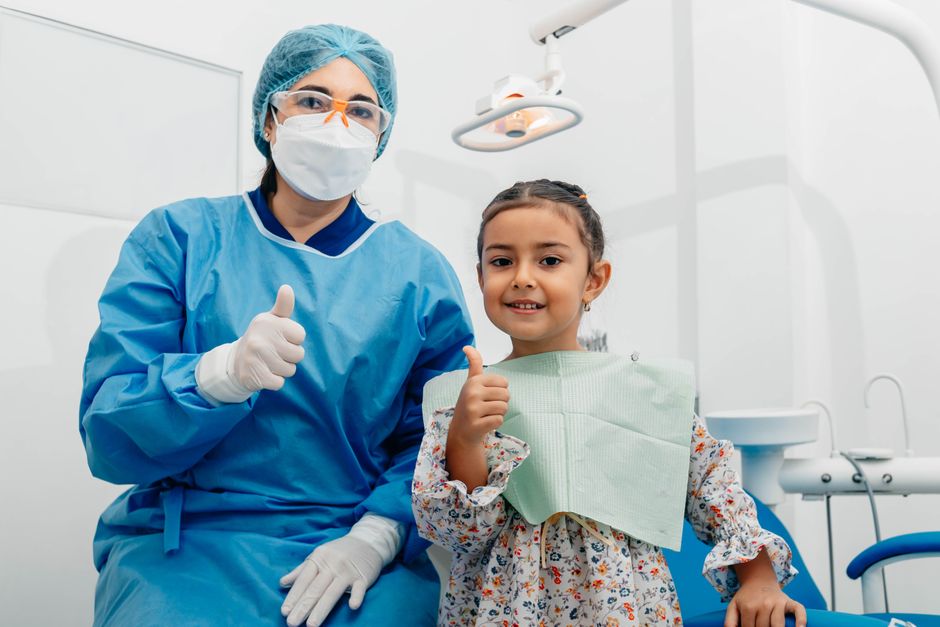
How to Choose a Budget-Friendly Kids Dentist in Parkland
Finding an affordable pediatric dentist in Parkland shouldn’t feel like a second job. Between comparing costs, checking insurance networks, and making sure your child actually feels comfortable in the chair, the process can get overwhelming fast. The good news is that quality pediatric dental care doesn’t have to drain your bank account. Parkland has options that combine gentle, kid-focused dentistry with pricing and payment structures that work for real families. This guide walks you through exactly what to look for, what to ask, and how to make sure your child gets excellent care without the sticker shock. Why a Pediatric Dentist Matters for Your Child You might wonder if a general family dentist who treats children in Parkland would be good enough. In many cases, a pediatric dentist is the better choice, especially for younger kids. Pediatric dentists complete additional years of training beyond dental school that focus specifically on children’s oral development, behavior management, and age-appropriate treatments. Their offices are designed to put kids at ease, from the waiting room to the dental chair. For toddlers experiencing their first dental visit or anxious children who need a gentle approach, a pediatric dental clinic built around kids can make all the difference in creating positive associations with dental care. How Much Does a Pediatric Dentist Cost in Parkland? Cost is often the first question parents ask, and it’s a fair one. Pricing for pediatric dental care in Parkland varies depending on the type of visit and treatment needed. Here are some general ranges you can expect: Routine pediatric dental cleanings: $75 to $200 per visit Dental exams with X-rays: $100 to $250 Kids cavity treatment: $150 to $400 per filling, depending on the material Sedation dentistry for children: $100 to $500 or more, depending on the type Affordable braces for children: $3,000 to $6,000, with payment plan options at many offices These numbers can shift based on your insurance coverage, the specific office, and the complexity of care. The key is knowing what to ask before your child’s appointment so there are no surprises on the bill. What to Look for in an Affordable Pediatric Dentist in Parkland Price matters, but it shouldn’t be the only factor. A cheap kids dentist near Parkland who cuts corners on quality or rushes through appointments isn’t really saving you money in the long run. Here’s what to evaluate when narrowing down your options. Insurance Acceptance and Payment Flexibility Start by confirming whether the Parkland pediatric dental office accepts your insurance plan. Many affordable pediatric dentists in Parkland FL work with a wide range of providers, including Medicaid. Children’s dentistry Medicaid coverage in Parkland can significantly reduce out-of-pocket costs for qualifying families. If you don’t have insurance, look for offices that offer kids dental care payment plans in Parkland so you can spread costs over several months instead of paying everything upfront. Transparent Pricing and No Hidden Fees A trustworthy pediatric dental office will give you a clear breakdown of costs before treatment begins. Ask for an estimate during your initial call or consultation. If a practice hesitates to discuss pricing or gives vague answers, that’s a red flag. The best affordable kids dentist in the Parkland area will be upfront about what’s included in each visit and what might cost extra. Credentials, Reviews, and Reputation Check Parkland pediatric dentist reviews on Google and other platforms. Parents tend to be very honest about their experiences, especially when it involves their children. Look for consistent feedback about friendly staff, gentle treatment, and reasonable pricing. Board certification and active membership in the American Academy of Pediatric Dentistry are also strong indicators of quality. Questions to Ask Before Your Child’s First Visit Walking into a new dental office without doing a little homework can lead to frustration. A five-minute phone call can save you time, money, and stress. Here are questions worth asking: Do you accept my insurance, and what’s the estimated out-of-pocket cost for a cleaning and exam? Do you offer payment plans for larger treatments like fillings or braces? Do you accept Medicaid for children’s dental services? What’s your approach to anxious or fearful children? Do you offer sedation dentistry for children who need it? Are walk-in appointments available for dental emergencies? Any reputable low-cost children’s dentist in Parkland will welcome these questions. Their answers will tell you a lot about how the practice operates and whether it’s the right fit for your family. Emergency Pediatric Dental Care in Parkland FL Dental emergencies don’t follow a schedule. A knocked-out tooth at soccer practice or sudden tooth pain at bedtime requires fast action. Knowing whether your pediatric dentist offers emergency pediatric dental care in Parkland FL before you need it is important. Some offices reserve same-day slots for urgent cases, while others operate as walk-in children’s dental clinics for emergencies. Ask about after-hours availability too. Having a plan in place takes the panic out of an already stressful situation and helps you avoid expensive emergency room visits for dental issues. How to Keep Pediatric Dental Costs Low Over Time The most effective way to save money on your child’s dental care is to prevent problems before they start. Consistent preventive care costs far less than treating cavities, infections, or misalignment down the road. Stay on Top of Regular Cleanings Scheduling pediatric dental cleanings in Parkland every six months allows the dentist to catch small issues early. A minor spot of decay caught at a routine visit is a simple, inexpensive fix. Left untreated for a year, it can turn into a root canal or extraction that costs several times more. Take Advantage of Preventive Treatments Dental sealants and fluoride treatments are two of the most cost-effective ways to protect your child’s teeth. Sealants create a barrier over the chewing surfaces of back teeth, where most childhood cavities develop. Fluoride strengthens enamel and helps resist decay. Both treatments are quick, painless, and typically covered by most insurance plans. Build Good Habits at Home Brushing twice a
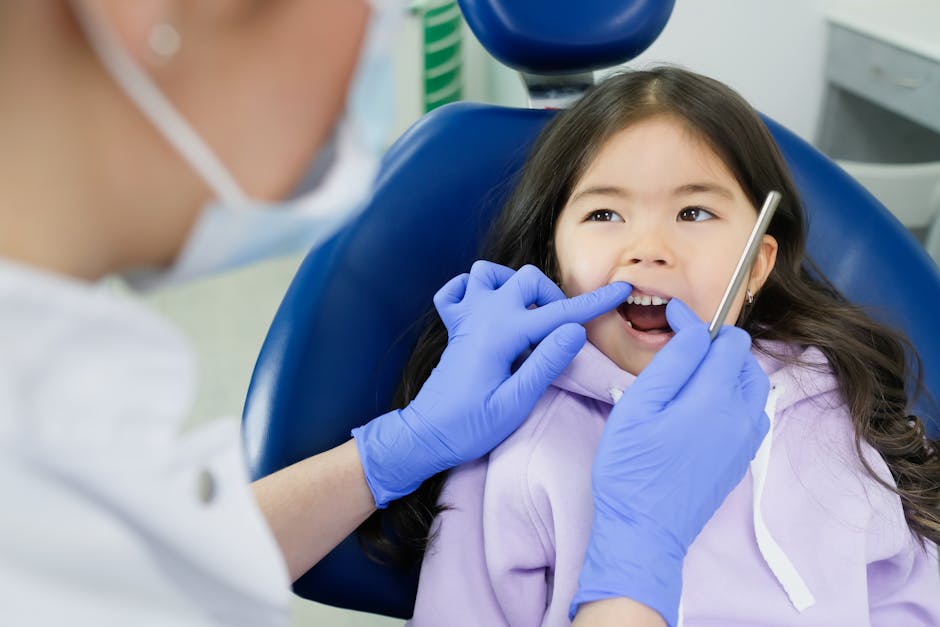
Is Sedation Dentistry Safe for Kids?
Watching your child feel anxious or scared about a dental visit is never easy. Some kids cry before they even sit in the chair, while others refuse to open their mouths entirely. If your child struggles with dental anxiety, you’ve probably wondered whether sedation dentistry for kids is a safe and reasonable option. The short answer is yes. Pediatric dental sedation is widely used, well-studied, and considered safe when administered by a trained pediatric dentist following established protocols. But as a parent, you deserve more than a short answer. You need to understand the types of sedation available, the safety measures involved, and what to expect before and after your child’s appointment. At Sunshine KiDDS Dentistry, we believe every child deserves a positive dental experience. That starts with giving parents the information they need to make confident decisions about their child’s care. Why Some Children Need Sedation at the Dentist Not every child needs sedation, but for some, it makes a real difference. Children who experience intense fear, have sensory sensitivities, or need extensive dental work may benefit from some level of sedation. Very young children who can’t sit still for long procedures are also common candidates. Managing child dental anxiety with sedation isn’t about taking shortcuts. It’s about keeping your child comfortable, reducing the risk of injury from sudden movement, and allowing the dentist to work safely and efficiently. When a child is calm and cooperative, the quality of treatment improves significantly. Common Reasons Pediatric Dentists Recommend Sedation ● Severe dental anxiety or phobia that doesn’t respond to behavioral techniques Multiple cavities or complex procedures that require extended time in the chair Special healthcare needs that make cooperation difficult A strong gag reflex that interferes with treatment Previous traumatic dental experiences A qualified pediatric dentist will always explore alternatives to sedation for anxious children at the dentist first. Sedation is recommended only when the benefits clearly outweigh any risks. Types of Sedation Dentistry for Kids There are several sedation options for anxious kids at the dentist, and the right choice depends on your child’s age, health history, level of anxiety, and the procedure being performed. Here’s a breakdown of the most common sedation techniques used by pediatric dentists. Nitrous Oxide (Laughing Gas) Nitrous oxide for kids dental procedures is the mildest and most frequently used form of sedation. Your child breathes in a mixture of nitrous oxide and oxygen through a small mask placed over their nose. They stay awake and responsive but feel relaxed and less aware of discomfort. The effects wear off within minutes after the mask is removed, and most children can return to normal activities right away. This option works well for mild to moderate anxiety and shorter procedures. Oral Conscious Sedation Oral conscious sedation for children involves giving your child a prescribed medication before the appointment. The medication makes them drowsy and relaxed, though they remain semi-conscious and can still respond to verbal cues. This is often used for children with moderate anxiety or those undergoing longer treatments. Your pediatric dentist will provide specific pre-sedation instructions for children’s dental appointments, including guidelines about fasting and medication timing. IV Sedation and General Anesthesia IV sedation for pediatric dentistry and general anesthesia for dental treatment in children are reserved for more complex situations. These options are typically used when a child needs significant dental work, has severe anxiety, or has medical conditions that make other sedation methods less effective. General anesthesia is administered by a trained anesthesiologist, and your child will be completely asleep throughout the procedure. While this sounds intimidating, it is performed under strict sedation protocols for children undergoing dental work, with continuous monitoring of heart rate, oxygen levels, and breathing. Is Sedation Dentistry Safe for Children? Yes, dental sedation safety for children is well established. The American Academy of Pediatric Dentistry (AAPD) has clear guidelines for the use of sedation in dental settings, and trained pediatric dentists follow these protocols carefully. Safety depends on several factors, including proper patient screening, appropriate dosing, continuous monitoring during the procedure, and trained staff prepared to handle any complications. When these standards are met, sedation dentistry risks for children are very low. What Safety Measures Should Be in Place Before any sedation is administered, your child’s medical history, current medications, allergies, and weight are all reviewed. During the procedure, trained team members monitor vital signs continuously. Key safety measures include: A thorough health evaluation before sedation Age-appropriate and weight-based dosing Continuous pulse oximetry and heart rate monitoring Emergency equipment and medications readily available Staff trained in pediatric advanced life support At Sunshine KiDDS Dentistry, your child’s safety is the top priority. Our team follows every recommended protocol to ensure a secure and comfortable experience. What to Expect Before and After Your Child’s Sedation Appointment Knowing what to expect helps reduce stress for both you and your child. Here’s a general overview of what happens before and after sedation. Before the Appointment Your dentist will provide detailed pre-sedation instructions for children’s dental appointments. These typically include: Fasting guidelines (no food or drink for a specific number of hours before sedation) Information about which medications to give or withhold Instructions on what your child should wear (comfortable, loose clothing) Parental consent for pediatric dental sedation, which includes a review of risks and benefits Follow these instructions closely. They exist to minimize risks and help the sedation work as intended. After the Appointment Recovery after dental sedation in kids varies depending on the type of sedation used. With nitrous oxide, children typically feel normal within minutes. Oral sedation may leave them groggy for a few hours, and general anesthesia requires a longer recovery window. Post-sedation care for pediatric dental patients usually includes: Monitoring your child closely for the rest of the day Offering clear liquids first, then soft foods as tolerated Keeping them from physical activity until fully alert Watching for any unusual symptoms and contacting the dental office if concerns arise How to Choose a Safe Sedation Dentist

Why Your Dentist Recommends Fluoride for Kids
If your pediatric dentist has suggested fluoride treatment for kids, you might be wondering what it actually does and whether your child really needs it. It’s a fair question, and one that parents in Parkland, Coral Springs, and Boca Raton ask us regularly. Fluoride is one of the most studied and well-supported tools in children’s dentistry. It strengthens developing teeth, helps reverse early signs of decay, and creates a protective barrier that keeps cavities from forming in the first place. At Sunshine KiDDS Dentistry, we believe parents deserve clear, honest information so they can make confident decisions about their child’s oral health. Here’s what you should know about fluoride, how it works, and why dentists continue to recommend it for children of all ages. What Fluoride Actually Does for Your Child’s Teeth Fluoride is a naturally occurring mineral found in water, soil, and certain foods. When applied to teeth, it strengthens the outer enamel layer, making it more resistant to the acid that causes cavities. Children’s teeth are especially vulnerable to decay because their enamel is thinner and still maturing. Fluoride helps in two key ways: Remineralization: It replaces minerals lost from enamel when acid-producing bacteria attack the tooth surface. Cavity prevention: It makes the enamel harder and more resistant to future acid attacks. This is why fluoride and baby teeth cavity prevention go hand in hand. Even though baby teeth eventually fall out, keeping them healthy is critical for proper speech development, chewing, and guiding permanent teeth into the right position. Fluoride Treatment for Kids: What Happens During a Visit A professional fluoride application at the dentist’s office is quick, painless, and takes just a few minutes. Your child won’t need any shots or drilling. The most common method is fluoride varnish for children. It’s a concentrated formula that your dentist or hygienist paints directly onto the teeth with a small brush. The varnish sticks to the enamel and hardens on contact with saliva, so there’s no mess and very little taste. Some offices also use fluoride gel for kids’ teeth, which is applied using a tray that fits over the upper and lower teeth. Both methods deliver a much higher concentration of fluoride than what your child gets from toothpaste or drinking water alone. After the treatment, your child can eat and drink normally, though we typically recommend avoiding hot or crunchy foods for a few hours to let the varnish fully absorb. How Often Should Children Get Fluoride Treatments? The ADA fluoride recommendations for kids suggest professional fluoride treatments every three to six months, depending on your child’s individual risk for cavities. Children who are more prone to decay, whether due to diet, oral hygiene habits, or enamel development, may benefit from more frequent applications. Your pediatric dentist will assess your child’s specific needs and recommend a schedule that makes sense. Factors that might increase treatment frequency include: A history of cavities or early signs of demineralization Crowded teeth that are harder to brush thoroughly Braces or other orthodontic appliances A diet higher in sugars or acidic foods For most children, fluoride treatments align with their regular six-month checkups, making it easy to stay on track without extra appointments. Is Fluoride Safe for My Child? This is the question we hear most often, and the answer is yes, when used appropriately. Fluoride has been endorsed by the American Dental Association, the American Academy of Pediatrics, and the World Health Organization as a safe and effective way to prevent tooth decay in children. The key is proper fluoride dosage by age for children. Your dentist tailors the amount based on your child’s age, weight, and overall cavity risk. Professional treatments use controlled doses that are applied directly to the teeth, meaning very little is swallowed. Fluoride side effects in children are rare and almost always related to excessive long-term ingestion, not professional treatments. The most common concern is dental fluorosis, which causes faint white spots on permanent teeth. This only happens when young children regularly swallow too much fluoride over time, usually from swallowing toothpaste. That’s why supervising brushing and using only a pea-sized amount of fluoride toothpaste for toddlers is so important. Systemic Fluoride vs. Topical Fluoride: What’s the Difference? Fluoride works in two ways, and understanding the difference helps parents see why both matter. Topical fluoride is applied directly to the surface of the teeth. This includes fluoride varnish, gels, fluoride mouth rinse for kids, and fluoride toothpaste. The topical fluoride benefits for children are immediate. It strengthens existing enamel and helps repair early decay before a cavity forms. Systemic fluoride is ingested through fluoridated drinking water, certain foods, or prescribed supplements. It becomes incorporated into developing teeth beneath the gums, making them stronger before they even erupt. School water fluoridation effects on kids have been well documented. Communities with fluoridated water see significantly fewer cavities in children compared to areas without it. Your dentist may recommend fluoride supplements if your local water supply is not fluoridated or if your family primarily drinks bottled or filtered water. Fluoride Treatment for Kids vs. Dental Sealants Parents sometimes ask about the difference between fluoride varnish and sealants, and whether their child needs both. The short answer is that they serve different purposes and work best together. Fluoride strengthens the enamel on all tooth surfaces, making them more resistant to decay. Dental sealants are thin protective coatings applied to the chewing surfaces of the back molars, where deep grooves tend to trap food and bacteria. Think of fluoride as a shield for the entire tooth and sealants as extra armor for the areas most likely to develop cavities. Your pediatric dentist can recommend the right combination based on your child’s specific oral health needs. What Parents Can Do at Home Between Visits Professional fluoride treatments are powerful, but daily habits at home play an equally important role in keeping your child’s teeth strong and healthy. Here are a few practical tips: Use a rice-grain-sized smear of fluoride toothpaste

Why Does My Toddler Have Cavities Already? Causes & What Parents in Parkland Should Do
Finding out your toddler has a cavity can feel alarming. You brush their teeth, you limit candy, and yet here you are, sitting in the dental chair hearing those words no parent wants to hear. The truth is, cavities in toddlers are far more common than most families realize, and the causes often go beyond what you’d expect. The good news? Early childhood cavities are treatable, and more importantly, they’re preventable. Understanding why they happen in the first place puts you in a much stronger position to protect your child’s smile going forward. If you’re a parent in Parkland, Coral Springs, or Boca Raton looking for answers, a trusted pediatric dentist in Parkland FL can help you get ahead of the problem and set your little one up for a lifetime of healthy teeth. How Can a Toddler Get Cavities So Young? Baby teeth are more vulnerable than adult teeth. Their enamel is thinner and softer, which means bacteria can break through the surface faster. Even children who seem to have a healthy diet can develop decay if certain risk factors are present. Cavities form when bacteria in the mouth feed on sugars and produce acid. That acid erodes tooth enamel over time. In toddlers, this process can happen quickly because their teeth simply aren’t as resilient as permanent teeth. The Most Common Causes of Toddler Cavities Parents are often surprised to learn that some everyday habits contribute to early tooth decay. Here are the most frequent causes a pediatric dental specialist in Parkland sees in young patients. Prolonged Bottle or Sippy Cup Use Letting your toddler fall asleep with a bottle of milk, formula, or juice is one of the leading causes of early cavities. The sugars in these liquids pool around the teeth for hours, giving bacteria plenty of fuel to produce enamel-damaging acid. This is sometimes called “baby bottle tooth decay,” and it tends to affect the upper front teeth first. The same applies to sippy cups filled with juice or flavored milk throughout the day. Constant sipping means teeth are constantly exposed to sugar. Frequent Snacking on Sugary or Starchy Foods Crackers, dried fruit, gummy snacks, and even some cereals cling to tooth surfaces. These sticky, starchy foods break down into sugars that bacteria love. If your toddler grazes throughout the day, their teeth rarely get a break from acid attacks. It’s not just sweets. Many foods marketed as “healthy” toddler snacks are surprisingly cavity-friendly for bacteria. Inadequate Brushing Habits Toddlers can’t brush their own teeth effectively. If brushing is rushed, inconsistent, or done without fluoride toothpaste, plaque builds up fast. The American Academy of Pediatric Dentistry recommends using a rice-grain-sized smear of fluoride toothpaste as soon as the first tooth appears. Many parents also miss the back molars, which have grooves that trap food and bacteria easily. Bacteria Transfer from Caregivers Cavity-causing bacteria aren’t something babies are born with. They’re typically transferred from a parent or caregiver through shared utensils, blowing on food, or cleaning a pacifier with your mouth. If a caregiver has untreated cavities, the risk of transferring harmful bacteria to the child increases significantly. Why Baby Teeth Matter More Than You Think A common misconception is that baby teeth don’t matter because they’ll fall out anyway. This couldn’t be further from the truth. Baby teeth hold space for permanent teeth. If a primary tooth is lost too early due to decay, surrounding teeth can shift and create alignment problems that may require orthodontics for children later on. Cavities in baby teeth can also cause pain, infection, difficulty eating, and problems with speech development. Treating cavities early, and preventing new ones, protects your child’s overall health and development. What a Pediatric Dentist in Parkland FL Recommends for Prevention Preventive dental care for kids is the most effective way to avoid cavities altogether. A children’s dentist in Parkland FL focuses on stopping decay before it starts, using a combination of professional treatments and at-home guidance tailored to your child’s age. Schedule the First Dental Visit by Age One The first dental visit for a baby in Parkland should happen by their first birthday or within six months of the first tooth erupting. This early visit allows the dentist to check for early signs of decay, assess risk factors, and coach parents on proper oral hygiene techniques. Many parents wait until age three or four, but by then, preventable damage may have already occurred. Fluoride Treatments for Stronger Enamel Fluoride treatment for kids is one of the simplest and most effective ways to strengthen developing enamel. Professional fluoride applications at your pediatric dental clinic in Parkland can reduce cavity risk significantly. These treatments are quick, painless, and safe for young children. Your dentist may also recommend fluoride toothpaste at home and evaluate whether your child is getting adequate fluoride from their water supply. Dental Sealants to Protect Molars Once your child’s permanent molars come in, dental sealants for kids act as a protective shield over the chewing surfaces where decay is most likely to start. Sealants are a thin, BPA-free coating that fills in the tiny grooves and pits bacteria love to hide in. This is a quick, non-invasive procedure that can prevent cavities for years. Many kids dentist offices in Parkland recommend sealants as a standard part of preventive care. What Parents in Parkland Can Do at Home Right Now You don’t need to wait for your next dental appointment to start making changes. Here are practical steps you can implement today: ● Brush your toddler’s teeth twice a day with a fluoride toothpaste, using a soft-bristled, age-appropriate brush. Avoid putting your child to bed with a bottle containing anything other than water. Limit juice to mealtimes and dilute it with water when possible. Offer water between meals instead of milk or flavored drinks. Reduce sticky, starchy snacks and replace them with fresh fruits, vegetables, and cheese. Don’t share spoons or clean pacifiers with your mouth. Start flossing as soon as two teeth

Do Kids Need Professional Dental Cleaning? Benefits & What to Expect in Parkland, FL
Most parents are great about scheduling well-child checkups with the pediatrician, but professional dental cleanings for kids sometimes fall off the radar. The truth is, regular kids dental cleaning in Parkland is just as essential to your child’s overall health as any other preventive appointment. Even children who brush and floss daily can develop plaque buildup in hard-to-reach spots. A professional cleaning removes that buildup before it leads to cavities, gum irritation, or bigger problems down the road. If you’ve been wondering whether your toddler, school-age child, or teenager really needs a cleaning, or what actually happens during one, this guide covers everything Parkland parents need to know. Why Kids Dental Cleaning in Parkland Matters More Than You Think Children’s teeth are more vulnerable to decay than adult teeth. The enamel on baby teeth is thinner, and kids are still developing the coordination and habits needed for thorough brushing. That means plaque and tartar can accumulate quickly, especially along the gumline and between molars. A professional cleaning at a pediatric dental clinic in Parkland gives your child’s mouth a fresh start every six months. The dental hygienist uses gentle tools to remove buildup that a toothbrush simply can’t reach. This is preventive dental care for kids in its most practical form: catching small issues before they become painful or expensive. Key Benefits of Professional Dental Cleanings for Children Bringing your child in for regular cleanings does more than just polish their teeth. Here are the biggest advantages Parkland families can expect: Cavity Prevention Removing plaque and tartar significantly reduces the risk of tooth decay. During the cleaning, the hygienist can also spot early signs of cavities that might not be visible to the naked eye. Early detection means simpler, less invasive treatment. Fluoride Treatment for Stronger Enamel Many children’s dental checkups in Parkland include a fluoride treatment after the cleaning. Fluoride strengthens developing enamel and makes teeth more resistant to acid attacks from bacteria. It only takes a few minutes and provides months of added protection. Dental Sealants for Extra Protection Your pediatric dentist may recommend dental sealants for children, especially on the back molars where deep grooves tend to trap food and bacteria. Sealants are a thin, protective coating that takes just minutes to apply and can prevent cavities for years. Building Positive Dental Habits Early Kids who visit the dentist regularly from a young age tend to feel more comfortable in the chair and develop better oral hygiene habits at home. A children’s dentist in Parkland who specializes in working with young patients knows how to make cleanings feel routine rather than scary. When Should Your Child Start Getting Dental Cleanings? The American Academy of Pediatric Dentistry recommends that children have their first dental visit by age one or within six months of their first tooth erupting. That first dental visit for a baby in Parkland is mostly about getting comfortable in the office and checking for any early concerns. By age two or three, most toddlers are ready for a gentle toddler dental cleaning. As your child grows, these visits become more thorough and include scaling, polishing, and a full exam. The general guideline is every six months, though some children with higher cavity risk may benefit from more frequent visits. What to Expect During a Kids Dental Cleaning in Parkland Knowing what happens during the appointment can help both you and your child feel at ease. Here’s a typical visit breakdown at a pediatric dental clinic in Parkland: Check-in and welcome. The team greets your child by name and helps them settle into the chair. A friendly, kid-focused environment makes a big difference. Gentle examination. The dentist or hygienist checks your child’s teeth, gums, bite, and jaw development. They may take X-rays if it’s been a while or if there are concerns. Cleaning and polishing. Using child-sized instruments, the hygienist removes plaque and tartar, then polishes each tooth. Most kids enjoy picking their favorite flavor of polishing paste. Fluoride application. A fluoride varnish or gel is applied to strengthen enamel. Your child may be asked not to eat or drink for 30 minutes afterward. Discussion with parents. The dentist reviews findings, discusses any concerns, and offers tips for brushing toddlers’ teeth or improving your child’s home routine. If an orthodontic evaluation for kids seems appropriate, they’ll let you know. The entire appointment usually takes 30 to 45 minutes, and most kids leave with a new toothbrush, a sticker, and a smile. How to Choose the Right Pediatric Dentist in Parkland, FL Not every dental office is set up to work with children. A dedicated pediatric dentist in Parkland, FL has additional training beyond dental school, specifically in child development, behavior management, and treating young patients from infancy through adolescence. Here are a few things to look for when choosing a kids dentist in Parkland: Board-certified pediatric dentist with experience treating toddlers through teens Child-friendly office design that puts nervous kids at ease Sedation options for kids dentistry in Parkland, in case your child has dental anxiety or needs more extensive work A team that communicates clearly with both kids and parents Convenient scheduling and location for families in Parkland, Coral Springs, and Boca Raton At Sunshine KiDDS Dentistry, the entire practice is designed around your child’s comfort. From the waiting room to the treatment chairs, every detail is built to help kids feel safe and even have fun during their visit. Common Concerns Parkland Parents Have About Kids’ Cleanings Parents often have questions before bringing a young child in for a cleaning. Here are two of the most common ones. Will My Child Be Scared or in Pain? Professional cleanings for children are gentle and typically painless. Pediatric dental teams are trained to use age-appropriate language, go at the child’s pace, and make each step feel comfortable. If your child has significant anxiety, sedation options are available to help them relax. Is It Worth the Cost If Baby Teeth Fall Out Anyway? Baby teeth hold
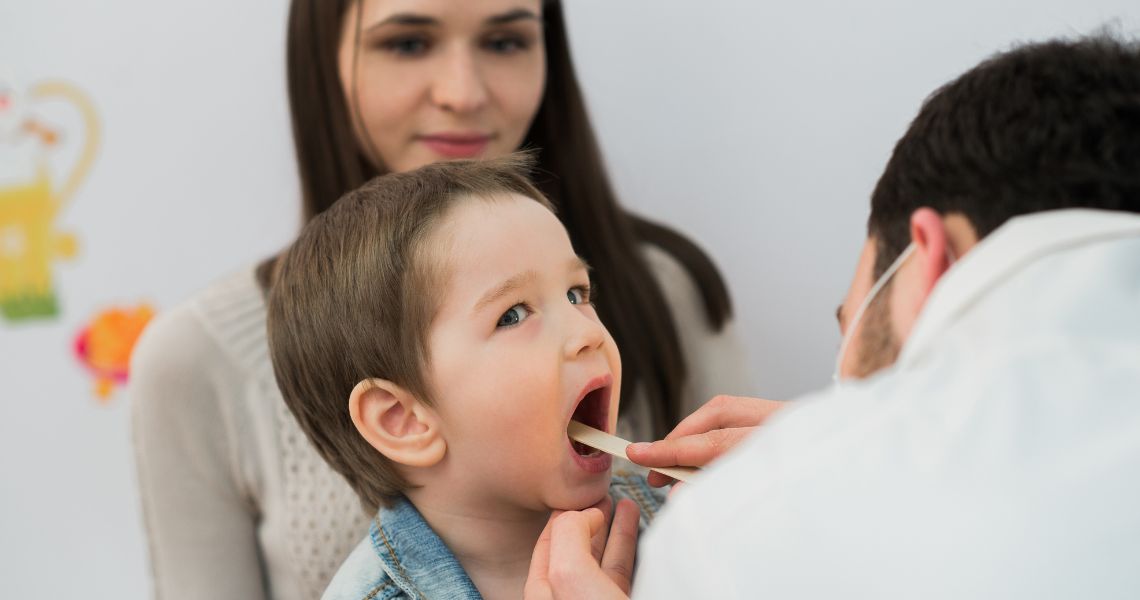
What Causes Mouth Ulcers in Kids?
It usually begins with a complaint at dinner. “My mouth hurts.”“This spot stings.”“I don’t want to eat.” You take a closer look and notice a small white or yellow sore inside your child’s cheek or on their lip. It’s tender, inflamed, and clearly uncomfortable. At Sunshine KiDDS Dentistry in Parkland, Florida, mouth ulcers are a common concern among parents. While most are harmless and resolve on their own, understanding why they occur can help reduce discomfort and prevent recurrence. As a Board-Certified Pediatric Dentist, Dr. Sheryl George often reassures families that these sores are typically minor. But she also emphasizes that recurring ulcers deserve attention, especially if they interfere with eating, drinking, or speaking. Let’s explore the most common causes. What Are Mouth Ulcers? Mouth ulcers, often called canker sores, are small, shallow lesions that develop on the soft tissues inside the mouth. Unlike cold sores, which appear outside the lips and are viral in origin, mouth ulcers are not contagious. They typically appear on: Inner cheeks Inside the lips Tongue Soft palate Gum tissue They may look white, yellow, or gray in the center with a red border. While small, they can be surprisingly painful especially for children. Minor Trauma – The Most Common Cause One of the simplest explanations is also the most common: accidental injury. Children frequently: Bite their cheeks while chewing Scrape soft tissue with a toothbrush Irritate their mouth with sharp foods (chips, pretzels) Experience friction from orthodontic appliances Even aggressive brushing can trigger irritation. At Sunshine KiDDS Dentistry, Dr. George often identifies minor trauma as the root cause. Children’s oral tissues are delicate, and small injuries can quickly become inflamed. If your child recently had dental work or started orthodontic treatment, mild ulcers may appear temporarily as tissues adjust. Nutritional Deficiencies Though less common, deficiencies in certain nutrients can contribute to recurrent mouth ulcers. These include: Iron Vitamin B12 Folate Children who are selective eaters may occasionally develop deficiencies that affect oral tissue health. If ulcers appear frequently and without clear injury, a pediatrician may recommend nutritional screening. At Sunshine KiDDS Dentistry in Parkland, recurring sores prompt collaborative discussions between dentist and pediatrician when needed. Stress and Emotional Triggers It may seem surprising, but emotional stress can influence oral health. Children experience stress differently than adults. A new school year, family transitions, academic pressure, or social challenges can affect immune responses. Stress can lower the body’s defense mechanisms, making soft tissues more susceptible to inflammation. Parents often notice mouth ulcers appearing during busy or emotionally demanding periods. While we cannot eliminate every stressor, maintaining predictable routines and good oral hygiene supports overall resilience. Viral Infections Certain viral infections can cause mouth sores in children. Unlike isolated canker sores, viral-related ulcers often appear alongside: Fever Fatigue Swollen gums Multiple sores Hand, Foot, and Mouth Disease is one example, particularly common in younger children. In these cases, dental treatment is not required but supportive care and hydration are essential. If ulcers are accompanied by systemic symptoms, Dr. Sheryl George recommends contacting your child’s pediatrician promptly. Allergic Reactions or Sensitivities Some children are sensitive to specific foods or ingredients. Common triggers may include: Acidic foods (citrus, tomatoes) Spicy snacks Toothpastes containing sodium lauryl sulfate (SLS) Switching to a gentle pediatric toothpaste sometimes reduces recurrence in sensitive children. At Sunshine KiDDS Dentistry, parents are often advised to observe patterns: do sores appear after certain snacks? After a new toothpaste? Small environmental changes can make a noticeable difference. Underlying Medical Conditions In rare cases, persistent or severe mouth ulcers may be linked to systemic conditions such as: Autoimmune disorders Gastrointestinal conditions Severe immune deficiencies These cases are uncommon but important to identify. If ulcers last longer than two weeks, increase in size, or appear unusually severe, a professional evaluation is warranted. Sunshine KiDDS Dentistry emphasizes early assessment for unusual presentations. How to Manage Mouth Ulcers at Home For most children, mouth ulcers resolve within 7–10 days without intervention. Supportive care may include: Rinsing with warm salt water (for older children) Avoiding acidic or spicy foods Using a soft-bristled toothbrush Applying pediatric-safe topical gels recommended by your dentist Hydration is essential. Even mild dehydration can worsen oral irritation. If your child refuses to eat due to discomfort, offer softer, cooler foods like yogurt or smoothies. When to See a Pediatric Dentist While most ulcers are benign, consult Sunshine KiDDS Dentistry in Parkland, FL if: Sores persist beyond two weeks Ulcers appear frequently Your child develops fever or swelling Pain interferes with eating or drinking The sore grows unusually large Dr. Sheryl George carefully evaluates lesion characteristics to rule out infection or underlying causes. Early assessment prevents complications. Prevention Strategies While not all mouth ulcers are preventable, certain habits reduce risk: Encourage gentle brushing techniques Provide balanced nutrition Limit acidic and abrasive snacks Use child-friendly dental products Maintain regular dental visits Routine checkups at Sunshine KiDDS Dentistry help monitor oral tissue health and identify patterns early. Prevention is always preferable to treatment. Q & A Are mouth ulcers contagious? No. Canker sores are not contagious. However, viral infections that cause mouth sores can be. How long do mouth ulcers last in kids? Most resolve within 7–10 days. Should I pop or scrape the ulcer? No. Irritating the sore can worsen inflammation and delay healing. Can toothpaste cause mouth ulcers? In some children, ingredients like sodium lauryl sulfate (SLS) may contribute to irritation. Does Sunshine KiDDS Dentistry treat recurring mouth ulcers? Yes. Dr. Sheryl George evaluates persistent or recurrent mouth ulcers and coordinates care when necessary. A Gentle Reminder for Parents Mouth ulcers in children are usually small, temporary disruptions, not signs of serious illness. But they can be uncomfortable. And as any parent knows, even small discomfort feels big to a child. At Sunshine KiDDS Dentistry, Dr. Sheryl George and her team focus on more than treating teeth. They monitor overall oral health, including soft tissue conditions like mouth ulcers. If your child frequently complains of mouth soreness, you don’t
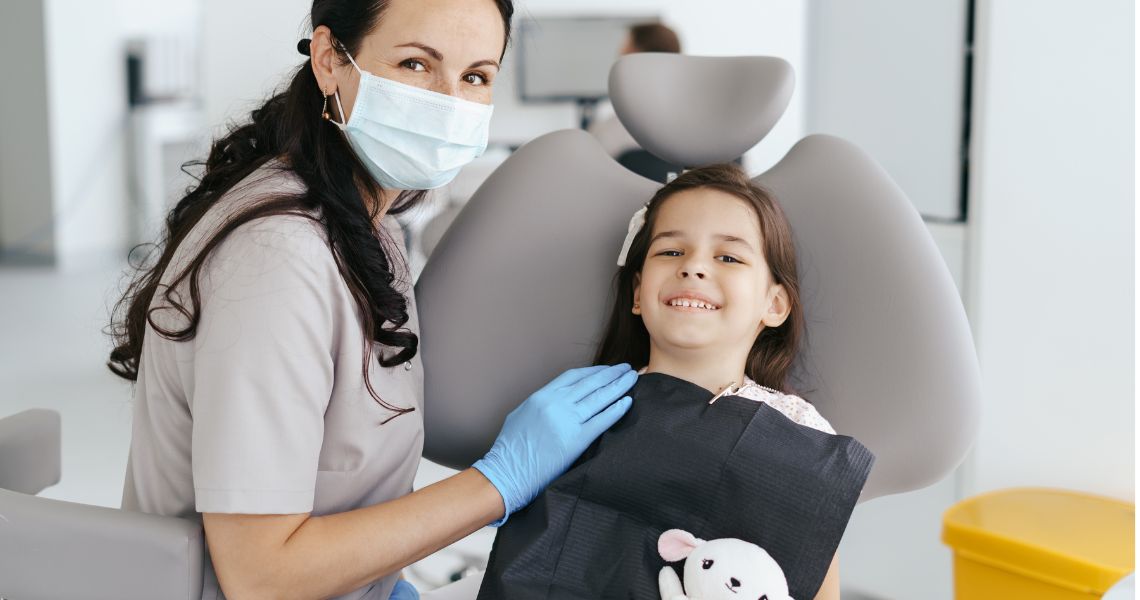
A Parent’s Guide to Dental Sedation
If you’ve ever watched your child grip the armrest of a dental chair or fight back tears at the sound of a dental instrument, you understand how emotional pediatric dentistry can be not just for children, but for parents too. At Sunshine KiDDS Dentistry in Parkland, Florida, one of the most common questions parents ask Dr. Sheryl George, Board-Certified Pediatric Dentist, is this: “Is sedation safe for my child?” It’s a fair question. Sedation sounds intimidating. But when used appropriately and administered by trained pediatric dental professionals, it can be a highly effective and safe tool that transforms a stressful appointment into a manageable, sometimes even positive experience. This guide is designed to walk you through what pediatric dental sedation is, when it’s recommended, and what you can expect at Sunshine KiDDS Dentistry. Why Would a Child Need Dental Sedation? Most children do not require sedation for routine cleanings or minor procedures. However, sedation may be recommended in certain situations: Extensive dental treatment (multiple cavities, extractions, crowns) Severe dental anxiety or phobia Very young children who cannot sit still for long procedures Children with special healthcare needs Traumatic past dental experiences At Sunshine KiDDS Dentistry, the goal is always prevention first. Dr. George emphasizes early dental visits and gentle behavioral guidance techniques. However, when treatment is necessary and cooperation is limited, sedation becomes a valuable option. The objective isn’t convenience. It’s safety, comfort, and treatment effectiveness. Types of Pediatric Dental Sedation Understanding the different sedation methods can help reduce anxiety for parents. Nitrous Oxide (Laughing Gas) Nitrous oxide is the most commonly used mild sedative in pediatric dentistry. It is inhaled through a small nose mask and helps children feel relaxed and calm. Key features: Works quickly Wears off within minutes Child remains awake and responsive Safe when administered by trained professionals At Sunshine KiDDS Dentistry in Parkland, nitrous oxide is often sufficient for mildly anxious children undergoing shorter procedures. Parents are often surprised by how light and controlled this method is. Oral Conscious Sedation Oral sedation involves medication given before the appointment to help a child feel drowsy and relaxed. Key features: Child remains conscious but may be sleepy Memory of the procedure may be limited Requires monitoring throughout treatment This option is typically recommended for children with higher anxiety levels or when longer procedures are required. Dr. Sheryl George carefully evaluates medical history and overall health before recommending oral sedation. General Anesthesia In more complex cases such as extensive restorative work or when a child cannot safely tolerate treatment awake general anesthesia may be considered. This is typically administered in a hospital or specialized setting under the supervision of an anesthesiologist. While this is the most involved sedation option, it allows comprehensive treatment in a single visit, reducing repeated stress. Is Dental Sedation Safe? Safety is the primary concern for any parent. The reassuring reality is that pediatric dental sedation has a strong safety record when administered by trained professionals following established guidelines. Dr. Sheryl George, as a Board-Certified Pediatric Dentist, follows strict protocols for: Reviewing medical history Evaluating medication interactions Monitoring oxygen levels and vital signs Providing clear pre- and post-procedure instructions At Sunshine KiDDS Dentistry, safety is not secondary to comfort. It is foundational. Preparing Your Child for Sedation Preparation begins at home. Parents are typically instructed to: Follow specific fasting guidelines Avoid certain foods or drinks before the procedure Dress the child in comfortable clothing Bring a favorite comfort item if allowed The tone you set matters. Children often mirror parental anxiety. Calm explanations “The dentist will help your teeth feel better” are more helpful than detailed descriptions of the procedure. At Sunshine KiDDS Dentistry, the staff takes time to explain the process in child-friendly language before treatment begins. What to Expect After the Appointment Recovery varies depending on the sedation type. With nitrous oxide, most children return to normal within minutes. With oral sedation, mild grogginess may last several hours. Children should rest at home and avoid strenuous activity. Common temporary side effects may include: Drowsiness Slight irritability Mild nausea (rare but possible) Parents are provided clear aftercare instructions before leaving the office. Follow-up communication is encouraged if questions arise. Addressing Common Parental Concerns One mother once shared her hesitation before her son’s sedation appointment. He had severe dental anxiety after a previous negative experience elsewhere. She worried sedation would be overwhelming. After the procedure, she expressed relief , not only because the treatment was completed successfully, but because her son no longer feared returning. Sometimes sedation prevents dental trauma from becoming lifelong avoidance. Benefits Beyond the Procedure Pediatric dental sedation offers several advantages: Reduces fear and trauma Allows comprehensive treatment in fewer visits Prevents negative associations with dental care Improves safety by minimizing sudden movements For children with special healthcare needs, sedation can make necessary treatment accessible. At Sunshine KiDDS Dentistry, the goal is not simply cavity removal. It’s building positive dental experiences that last into adulthood. When Sedation Is Not Recommended Sedation is not appropriate for every child or every situation. Dr. George conducts individualized evaluations before recommending sedation. Factors considered include: Age Medical history Weight Allergies Current medications Behavioral patterns In many cases, behavior guidance techniques and gradual exposure are sufficient. Sedation is a tool , not a default solution. Q & A Is nitrous oxide safe for children? Yes. When administered by a trained pediatric dentist like Dr. Sheryl George at Sunshine KiDDS Dentistry, nitrous oxide is considered safe and effective for mild anxiety. Will my child be asleep during sedation? With nitrous oxide and oral conscious sedation, children remain awake but relaxed. General anesthesia induces sleep and is reserved for specific cases. How long does recovery take? Nitrous oxide wears off within minutes. Oral sedation recovery may take a few hours. Can sedation affect my child long-term? Pediatric dental sedation does not have long-term developmental effects when used appropriately and monitored carefully. Does Sunshine KiDDS Dentistry offer sedation for special needs children? Yes. The practice provides compassionate care

Why Baby Teeth Matter More Than Most Parents Realize
It’s a phrase pediatric dentists hear often: “They’re just baby teeth, they’re going to fall out anyway.”While understandable, this belief can quietly lead parents to underestimate how important early dental care really is. At Sunshine KiDDS Dentistry, one of the most important conversations with parents centers on this simple truth: baby teeth play a critical role in a child’s health, development, and future smile. They do far more than hold space until permanent teeth arrive. Understanding why baby teeth matter can help parents make confident, proactive decisions about their child’s oral health from the very beginning. Baby Teeth Are the Foundation for Healthy Permanent Teeth Baby teeth don’t just disappear without consequence. They serve as guides for permanent teeth, helping them erupt into the correct position. When a baby tooth is lost too early due to decay or infection nearby teeth can shift into the empty space. This may cause: Crowding of permanent teeth Bite misalignment Increased likelihood of orthodontic treatment later Pediatric dentists at Sunshine KiDDS Dentistry monitor tooth development carefully to protect spacing and alignment during these crucial early years. Baby Teeth Are Essential for Chewing and Nutrition Children rely on their baby teeth to chew food properly. When teeth are painful, infected, or missing, children may avoid certain foods altogether. This can affect: Nutrition Growth Eating habits Willingness to try new textures Parents are sometimes surprised to learn that untreated cavities in baby teeth can impact a child’s overall health, not just their mouth. Speech Development Depends on Healthy Teeth Speech development is closely connected to oral structure. Baby teeth help children form sounds correctly as they learn to speak. Missing or damaged baby teeth can interfere with pronunciation of certain sounds, potentially leading to: Speech delays Lisping Difficulty forming words Sunshine KiDDS Dentistry works alongside parents to ensure oral development does not hinder speech milestones. Cavities in Baby Teeth Can Still Cause Pain and Infection One of the most important misconceptions to address is the idea that cavities in baby teeth don’t matter because those teeth will fall out. In reality, decay in baby teeth can: Cause significant pain Lead to infections Spread to surrounding teeth Affect the developing permanent tooth underneath At Sunshine KiDDS Dentistry, pediatric dentists emphasize early prevention because painful dental experiences can shape how children feel about dental care for years to come. Baby Teeth Influence Jaw and Facial Development Healthy baby teeth help guide jaw growth and facial structure. When teeth are lost prematurely, jaw development can be affected in subtle but meaningful ways. This may contribute to: Bite problems Jaw imbalance Crowding issues Routine pediatric dental visits allow dentists to track these changes early and recommend supportive care when needed. Early Dental Experiences Shape Lifelong Habits One of the most overlooked roles of baby teeth is their influence on behavior and habits. Positive early dental experiences help children: Feel comfortable at the dentist Learn proper oral hygiene routines Build trust with dental professionals Develop confidence around healthcare Sunshine KiDDS Dentistry focuses on creating gentle, child-friendly visits so dental care becomes a normal, non-threatening part of life. Preventive Care Saves Families Stress (and Cost) Later Preventive pediatric dental care isn’t just about avoiding cavities, it’s about reducing the likelihood of more complex treatment in the future. Regular visits to Sunshine KiDDS Dentistry support: Early cavity detection Fluoride and sealant protection Habit monitoring (thumb sucking, pacifiers) Growth and development tracking Addressing small issues early often prevents larger, more stressful procedures later. When Should Baby Teeth Be Checked by a Dentist? The American Academy of Pediatric Dentistry recommends a child’s first dental visit by age one or within six months of the first tooth erupting. At Sunshine KiDDS Dentistry, early visits focus on: Education for parents Gentle exams Risk assessment Building familiarity, not treatment These early appointments set the tone for lifelong oral health. Common Parent Questions About Baby Teeth Do cavities in baby teeth really need treatment? Yes. Untreated cavities can cause pain, infection, and affect permanent teeth. Can baby teeth problems affect adult teeth? Absolutely. Infections and early tooth loss can impact spacing and development. What if my child doesn’t complain about pain? Children don’t always express dental pain clearly. Regular exams help catch issues early. How often should my child see a pediatric dentist? Most children benefit from visits every six months, depending on risk factors. How Sunshine KiDDS Dentistry Protects Growing Smiles Sunshine KiDDS Dentistry is dedicated to preventive, child-centered pediatric dental care. Their approach prioritizes: Gentle treatment Education for families Early intervention Positive dental experiences Serving families in Parkland, Coral Springs, Boca Raton, and surrounding areas, Sunshine KiDDS Dentistry helps parents protect baby teeth and everything they support. Final Thoughts Baby teeth may be temporary, but their impact is lasting. They influence nutrition, speech, confidence, jaw development, and the health of permanent teeth. Treating them with care isn’t overprotective, it’s proactive. At Sunshine KiDDS Dentistry, parents don’t have to guess whether baby teeth matter. They receive guidance, reassurance, and expert pediatric dental care designed to support healthy smiles from the very start.

Thumb Sucking & Pacifiers: Are They Hurting Teeth?
Thumb sucking and pacifier use are some of the most common habits parents notice in infancy and early childhood. For many families, these behaviors are comforting, familiar, and at least at first completely normal. But at a certain point, parents begin to wonder: Is this still okay? Or could it start affecting my child’s teeth? At Sunshine KiDDS Dentistry, this is a question pediatric dentists hear every week. The short answer is reassuring: thumb sucking and pacifier use are not automatically harmful. The longer answer depends on timing, frequency, and how a child’s mouth is developing. Understanding when these habits are part of healthy development and when they may need gentle intervention can help parents make informed, stress-free decisions. Why Thumb Sucking and Pacifier Use Are So Common From a developmental standpoint, sucking is a natural reflex. Babies are born with it. It helps with feeding, soothing, and self-regulation. Many children rely on thumb sucking or pacifiers to: Calm themselves when tired or overstimulated Fall asleep Feel secure in unfamiliar situations Pediatric dentists at Sunshine KiDDS Dentistry often remind parents that early sucking habits are not a sign of a problem. In fact, they can be emotionally beneficial during infancy and toddlerhood. When These Habits Are Usually Not a Concern In most cases, thumb sucking or pacifier use before age 2–3 does not cause long-term dental issues. At this stag Baby teeth are still emerging Jaw growth is flexible The duration and pressure of sucking are usually limited Many children naturally stop on their own as they develop new coping skills. Sunshine KiDDS Dentistry monitors these habits during routine pediatric dental visits to ensure oral development stays on track. When Thumb Sucking or Pacifier Use Can Start Affecting Teeth The concern begins when the habit continues beyond age 3–4, especially if it is frequent or intense. Prolonged thumb sucking or pacifier use can contribute to: Changes in bite alignment (open bite or overbite) Narrowing of the upper jaw Protruding front teeth Speech development concerns Increased risk of orthodontic issues later It’s important to note that not all children who suck their thumb will develop these problems. The impact depends on how often, how long, and how forcefully the habit occurs. Thumb Sucking vs. Pacifiers – Is One Worse? Parents often ask whether thumb sucking is worse than pacifier use. From a pediatric dental perspective: Pacifiers are generally easier to manage and phase out Thumbs are always available, making the habit harder to stop Both can affect dental development if prolonged At Sunshine KiDDS Dentistry, dentists work with families to evaluate individual habits, rather than labeling one as universally “bad.” Signs the Habit May Be Affecting Your Child’s Teeth During exams, pediatric dentists look for subtle changes that parents may not notice at home. Signs that thumb sucking or pacifier use may be impacting oral development include: Front teeth that don’t touch when biting down Upper teeth that angle outward Difficulty closing lips comfortably Speech changes or lisping Jaw shape changes Regular visits to Sunshine KiDDS Dentistry allow these issues to be identified early—often before treatment is needed. Why Early Dental Visits Matter for Habit Monitoring One of the biggest benefits of early pediatric dental care is preventive guidance, not just treatment. At Sunshine KiDDS Dentistry, pediatric dentists: Monitor jaw and tooth development over time Discuss habits in a non-judgmental way Help parents understand what’s typical for their child’s age Provide age-appropriate strategies if habit cessation is needed This proactive approach helps avoid unnecessary anxiety and unnecessary intervention. Gentle Ways to Help Your Child Break the Habit If a habit persists and begins to affect dental development, the goal is support, not punishment. Common strategies recommended by pediatric dentists include: Positive reinforcement instead of scolding Identifying triggers (fatigue, stress, boredom) Offering comfort substitutes like stuffed animals Praise for progress, not perfection In some cases, Sunshine KiDDS Dentistry may recommend additional guidance or habit-breaking tools, but only when development truly warrants it. What Parents Should Avoid Doing Well-meaning parents sometimes try approaches that unintentionally increase stress. It’s best to avoid: Shaming or embarrassing the child Forcing abrupt habit removal Using harsh deterrents without dental guidance Comparing the child to siblings or peers Children often stop habits more successfully when they feel supported and confident. Common Parent Questions At what age should I be concerned about thumb sucking? Concerns typically begin around age 3–4, but every child develops differently. A pediatric dental exam provides clarity. Will my child definitely need braces if they keep sucking their thumb? Not necessarily. Early monitoring at Sunshine KiDDS Dentistry helps reduce future orthodontic risk. Should I take the pacifier away suddenly? Gradual approaches are often more successful and less stressful for children. Can baby teeth really be affected long term? Yes. Baby teeth guide jaw growth and permanent tooth placement. How Sunshine KiDDS Dentistry Supports Healthy Development Sunshine KiDDS Dentistry takes a child-centered, preventive approach to habits like thumb sucking and pacifier use. Their pediatric dental services focus on: Early oral health education Gentle monitoring of development Family-friendly guidance Reducing fear and anxiety around dental care Located in Parkland, Florida, Sunshine KiDDS Dentistry supports families throughout Parkland, Coral Springs, Boca Raton, and surrounding communities with compassionate pediatric dental care. Final Thoughts Thumb sucking and pacifier use are a normal part of childhood but timing matters. For most children, these habits fade naturally. When they don’t, early guidance from a pediatric dentist can make all the difference. The goal is not to rush development, but to protect your child’s smile as they grow. At Sunshine KiDDS Dentistry, parents don’t have to guess when a habit becomes a concern. They receive expert insight, reassurance, and support every step of the way.